
Beyond White: Eco-Bridal Trends for 2026
The desire for sustainable weddings is growing, and with it, a real shift in bridal fashion. Couples are increasingly aware of the environmental and social impact of their choices, and that extends to the wedding dress. Traditionally, dress production relies on resource-intensive materials, complex global supply chains, and often, exploitative labor practices. It’s a system that generates a lot of waste, and thankfully, brides are demanding better.
We’re seeing a move away from fast fashion ideals in bridal, with more focus on quality, longevity, and ethical sourcing. This isn’t just about aesthetics; it's about aligning personal values with a significant life event. The 2026 bridal season promises to be defined by conscious choices, innovative materials, and a celebration of individuality over tradition. It’s exciting to see this change happening.
The Sarasota, Florida area is becoming a surprising hub for conscious bridal shopping, with boutiques and designers embracing eco-friendly practices. This is driven by a growing local demand for sustainable options, and a recognition that beautiful doesn’t have to come at the expense of the planet. This article will explore the trends, materials, and resources available to help you find the perfect, planet-friendly wedding dress.
Decoding Eco-Labels: What to Look For
Navigating the world of eco-labels can be tricky. There’s a lot of "greenwashing" out there – brands using misleading marketing to appear more sustainable than they are. Understanding what certifications actually mean is essential. GOTS (Global Organic Textile Standard) is a strong one, ensuring organic status of textiles, from harvesting of the raw materials, through environmentally and socially responsible manufacturing.
OEKO-TEX Standard 100 verifies that a fabric has been tested for harmful substances, but it doesn't necessarily guarantee organic or ethically sourced materials. Fair Trade certifications focus on fair wages and safe working conditions for garment workers, which is incredibly important, but doesn’t speak to environmental impact. It’s also worth noting that some brands create their own "eco" labels which aren't verified by independent third parties – these should be approached with caution.
Transparency is key. Look for brands that are open about their supply chain, detailing where their materials come from and how their dresses are made. Don’t be afraid to ask questions. A genuinely sustainable brand will be happy to share this information. It's also important to remember that no label is perfect, and a combination of certifications and brand transparency offers the most reliable indication of a dress’s ethical and environmental footprint.
- GOTS: Organic textiles, responsible manufacturing
- OEKO-TEX: Tested for harmful substances
- Fair Trade: Fair wages and safe working conditions
https://t.co/Ny9cjDdxqG
— Kayseven (@Kaysevenl63) April 13, 2026
Beautiful week for wedding dress shopping 🛍️
Princeton Bridal is the perfect spot 🌟😍
Fabric Focus: Sustainable Material Options
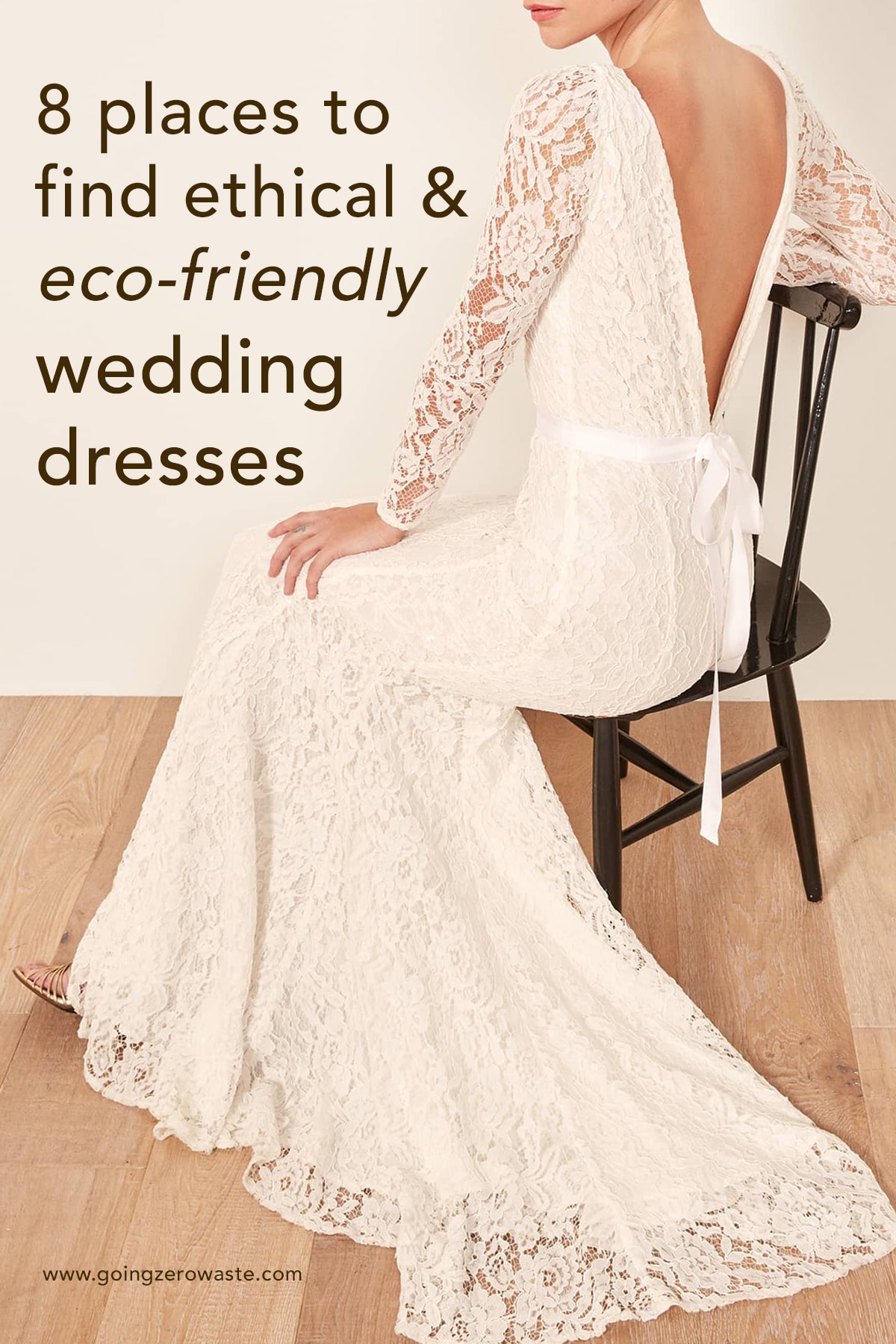
The fabric is arguably the most important factor when considering a sustainable wedding dress. Organic cotton is a popular choice, grown without harmful pesticides or fertilizers, but it can be water-intensive. Hemp is a fantastic alternative – it requires very little water and grows quickly, resulting in a durable and breathable fabric. Linen, made from flax, is another strong contender, known for its breathability and natural texture.
Tencel/Lyocell is a man-made fabric derived from wood pulp, produced in a closed-loop system that minimizes waste. Recycled fabrics are also gaining traction, with designers utilizing recycled polyester (from plastic bottles) and even recycled lace. Peace silk, also known as Ahimsa silk, allows the silkworm to complete its natural life cycle before the silk is harvested, making it a more humane option.
Each fabric has its pros and cons. Organic cotton can wrinkle easily, while hemp may have a coarser texture. Tencel drapes beautifully but can be more expensive. Recycled fabrics may not have the same luxurious feel as virgin materials. Fabric choices significantly impact cost – peace silk and innovative materials like Piñatex (pineapple leather) or mushroom leather, while exciting, are often pricier. While mushroom leather is gaining attention, its viability for bridal wear is still developing.
Consider the drape and durability of the fabric in relation to your dress style. A flowing A-line gown will require a different fabric than a structured ballgown. Don't be afraid to ask your bridal consultant about the properties of each material and how it will affect the overall look and feel of your dress.
Vintage & Pre-Loved: The Ultimate Eco Choice
Buying a vintage or pre-owned wedding dress is arguably the most sustainable option. You’re giving a beautiful garment a second life, reducing demand for new production, and avoiding the environmental impact associated with it. Plus, vintage dresses often have unique details and a timeless elegance you won’t find in modern designs. And let's be honest, they can be incredibly affordable.
Resources for finding vintage dresses abound. Online marketplaces like Stillwhite and Nearly Newlywed specialize in pre-owned wedding gowns. Consignment shops are another great option, and some bridal salons now carry a selection of pre-owned gowns. In Sarasota, Yelp lists several vintage stores that could be a good starting point for your search.
Common concerns about vintage dresses include sizing and alterations. Be prepared to have the dress altered to fit you perfectly. Inspect the dress carefully for any damage, such as tears, stains, or missing beads. A skilled seamstress can often repair minor damage, but it’s important to factor alteration costs into your budget. Don’t be afraid to ask the seller about the dress’s history and any known repairs.
Designers Championing Ethical Bridal
Several designers are leading the charge in sustainable bridal fashion. Wear Your Love, based in Colorado, focuses on comfortable, bohemian-style dresses made from organic cotton and Tencel. Their dresses typically range from $1,800 to $3,000. Lost in Paris Bridal creates romantic, flowing gowns using sustainable fabrics and ethical production practices, with prices from $2,500 to $5,000.
Leanne Marshall, known for her ethereal designs, incorporates eco-friendly materials like recycled silk and organic cotton into her collections. Her dresses generally fall between $3,000 and $7,000. Indiebride, a London-based brand, offers customizable dresses made from organic and recycled materials, with prices ranging from $2,000 to $4,000. These designers offer varying styles and price points.
Rewritten, a UK-based brand, focuses on affordable and sustainable bridal wear, offering dresses from $1,300 to $2,500. Their commitment to ethical production and transparency is commendable. Finally, Celia Grace offers elegant and timeless dresses made from peace silk and organic cotton, with prices ranging from $2,500 to $9,500. What sets them apart is their focus on empowering women artisans.
What makes these brands sustainable? They prioritize local production, fair wages, minimal waste, and the use of eco-friendly materials. They are transparent about their supply chains and committed to reducing their environmental impact. Supporting these designers is a vote for a more ethical and sustainable future for the bridal industry.
Sarasota Bridal: Local Eco-Options
Sarasota, Florida, offers several options for brides seeking sustainable dresses. According to Yelp, several bridal boutiques in the area are beginning to offer eco-conscious choices, though dedicated 'sustainable bridal' shops are still emerging. The Perfect Dress Sarasota curates a collection of gowns from $1,300 to $9,500, with many brides finding their dream dress between $2,000 and $3,500; it’s worth inquiring about their sustainable fabric options.
Bridal shops like Sarasota Bridal Boutique may carry designers with eco-friendly lines, and it’s always best to call ahead and ask about their selection. Consignment shops and vintage boutiques in the area, as identified by Yelp, are also excellent resources for finding pre-loved gowns. Exploring these local options allows you to support small businesses and reduce your carbon footprint.
Dress Alterations & End-of-Life Options
Finding a skilled and ethical seamstress for alterations is crucial. A well-fitted dress not only looks better but also lasts longer. Look for a seamstress with experience working with delicate fabrics and a commitment to sustainable practices. Alterations can extend the life of your dress, allowing you to wear it again or pass it down as an heirloom.
After the wedding, consider your options for what to do with your dress. Reselling it is a great way to give it a second life and recoup some of your investment. Donating it to a charity that supports brides in need is another meaningful option. Repurposing your dress into another garment, such as a christening gown or a quilt, is a creative and sustainable choice.
Responsible disposal is the last resort. Unfortunately, recycling wedding dresses is not yet widely available. If disposal is necessary, research local textile recycling programs or consider donating the fabric to an artist or designer. I'm not sure about the best disposal methods, but avoiding landfill is the ultimate goal.
Budgeting for Sustainability
A common misconception is that sustainable wedding dresses are always more expensive. While some eco-friendly options may come with a higher price tag, it’s not always the case. Buying pre-owned, choosing simpler designs, and opting for less elaborate embellishments can significantly reduce costs. Prioritizing quality over quantity is also key.
A realistic cost breakdown might look like this: pre-owned dress ($500 - $2,000), organic cotton or linen dress ($2,000 - $4,000), designer sustainable dress ($3,000 - $9,500). Alterations can add another $300 - $800, depending on the complexity. Remember to factor in the cost of ethical cleaning and preservation.
No comments yet. Be the first to share your thoughts!