


What the budget buys
Wedding DJ rates in 2026 generally fall into three distinct tiers, each offering a different level of equipment quality, experience, and service scope. Understanding these brackets helps you align your spending with your actual needs rather than paying for features you won’t use.
The entry-level tier typically ranges from $780 to $1,495. At this price point, you are usually securing a DJ who provides basic sound equipment and a curated playlist. These vendors often operate with minimal overhead, meaning you might handle your own timeline coordination or provide your own lighting. It is a viable option for small, low-key gatherings where the music supports the conversation rather than driving the energy.
Mid-tier packages, costing between $1,800 and $4,500, represent the most common choice for average weddings. This bracket includes professional-grade sound systems capable of filling larger venues, dedicated lighting setups, and a DJ who actively manages the event flow. You get a consultant who helps structure the timeline, handles microphone announcements, and adapts to the crowd’s energy in real time.
Premium services start around $4,500 and can exceed $6,500. These packages often include advanced lighting design, multiple speakers for complex venue layouts, and DJs with years of specialized experience. Some premium vendors also offer additional services like photo booths or live music integration. This tier is best for large celebrations where audio-visual production is central to the guest experience.
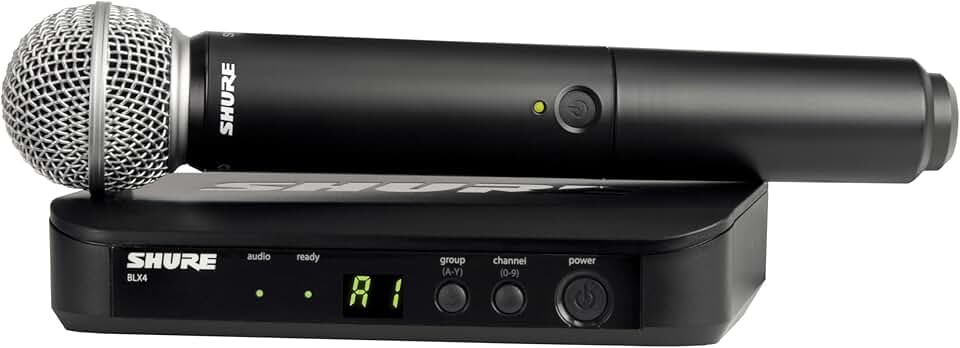
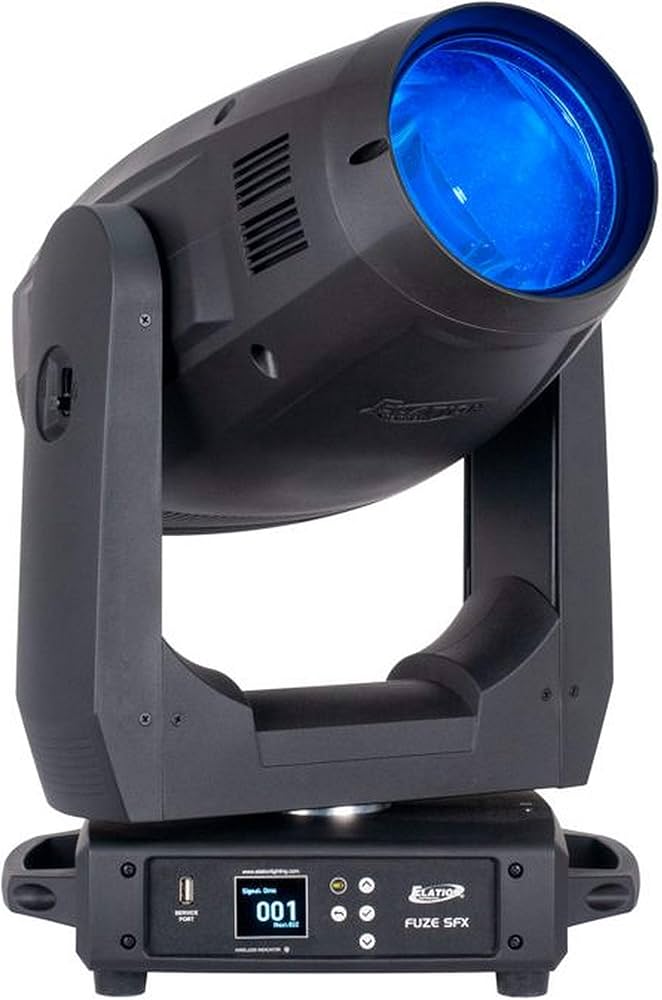
As an Amazon Associate, we may earn from qualifying purchases.
When comparing options, look beyond the hourly rate. A cheaper DJ might charge extra for travel, setup time, or basic lighting, while a mid-tier package often bundles these essentials. Check what is included in the base price to avoid surprise fees on your final invoice.
Models Worth Checking First
Wedding DJ rates vary significantly based on location, experience, and the scope of services provided. While the national average often sits between $1,000 and $1,500, premium markets and full-service packages can push costs much higher. To help you navigate these ranges, we’ve broken down the pricing models into three distinct tiers: basic, mid-tier, and premium.
Basic Packages: $1,800 – $2,800
Basic packages typically cover four to five hours of DJ services, including standard sound equipment and a curated playlist. This tier is ideal for smaller weddings or couples who prefer a more intimate atmosphere without elaborate lighting or additional entertainment features. Established professionals in this range usually charge between $150 and $250 per hour, ensuring a reliable experience with verifiable reviews.
Mid-Tier Service: $2,800 – $4,500
Mid-tier packages offer upgraded production values, such as enhanced sound systems, basic uplighting, and more extensive song planning. This level of service is suitable for couples who want a more dynamic atmosphere with better audio quality for larger dance floors. In markets like Central Texas, mid-tier options often start around $2,500 and can go up to $4,000, depending on the complexity of the setup.
Premium Entertainment: $4,500 – $6,500+
Premium packages include full entertainment solutions, such as photo booths, special effects, uplighting, and sometimes even live musicians or MCs. These packages are designed for couples who want a comprehensive entertainment experience that goes beyond just music. In high-cost areas, premium DJ services can exceed $6,500, offering a turnkey solution for a memorable wedding reception.
Comparison Table
| Package Tier | Price Range | Duration | Key Features |
|---|---|---|---|
| Basic | $1,800 – $2,800 | 4-5 hours | Standard sound, curated playlist |
| Mid-Tier | $2,800 – $4,500 | 5-6 hours | Upgraded sound, basic uplighting |
| Premium | $4,500 – $6,500+ | 6+ hours | Full entertainment, photo booth, FX |
When choosing a DJ, consider not just the price but also the value added through additional services. Reading reviews and checking portfolios can help you gauge the quality of service you’re likely to receive. Remember, the cheapest option isn’t always the best value, especially for a significant event like a wedding.
Check before you buy
A wedding DJ is one of the few vendors who controls the entire flow of your event. If the equipment fails or the music choice misses the mark, there is no quick fix. You are paying for reliability and taste, not just a playlist. Before signing a contract, verify these five areas to avoid expensive surprises on the day of.


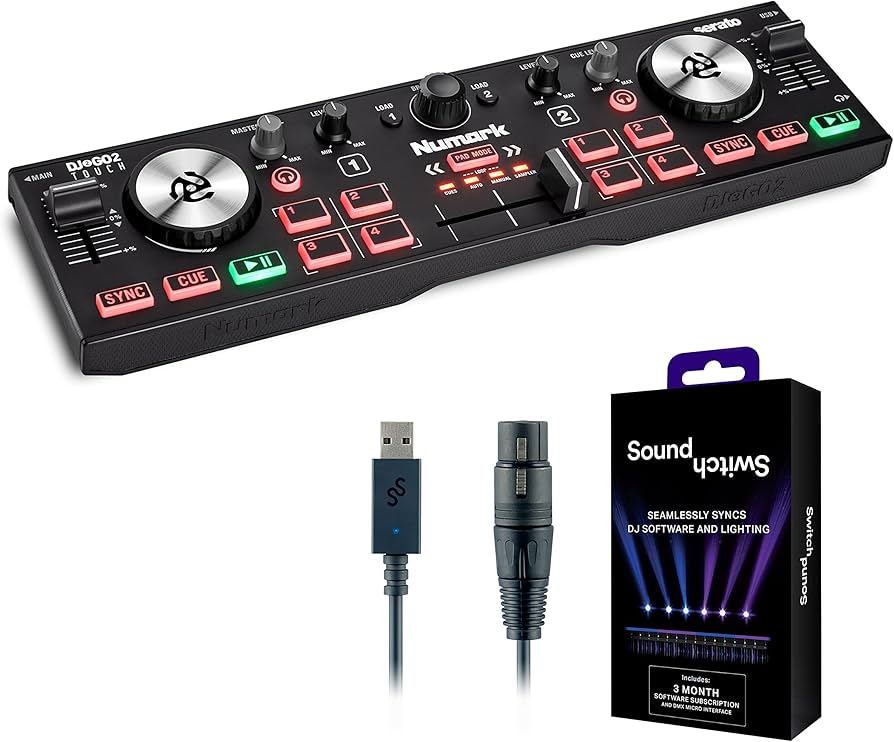
As an Amazon Associate, we may earn from qualifying purchases.
The average wedding DJ cost in the U.S. is $1,000, with most couples spending between $780 and $1,495. However, premium packages can exceed $4,500. Use this checklist to ensure you are paying for a service that protects your event, not just a person with a laptop.
Costs that change the math
Buying a professional-grade DJ setup is a capital expense, not just a rental fee. The initial hardware cost for a reputable system—mixers, controllers, and high-fidelity speakers—often exceeds the price of hiring a pro for a single night. This is why many couples consider the "ownership" angle only when they plan to work the industry regularly.
However, the sticker price is only the beginning. Maintenance and depreciation are silent costs that accumulate quickly. Cables fray, controllers fail, and software licenses require annual renewals. Unlike a hired DJ who maintains their own gear, an owner must budget for repairs and eventual replacement. A $2,000 mixer might last five years, but that adds $400 a year to your overhead, plus the time spent troubleshooting before a gig.
The biggest financial trap is the "cheap buy" scenario. Budget equipment often lacks the durability to withstand the rigors of wedding venues—loud environments, heavy transport, and long hours of continuous use. When a $500 controller dies mid-set, the cost of emergency replacement and potential liability far outweighs the initial savings. Professional gear holds its value better and performs reliably, making it the smarter long-term investment if you intend to build a business rather than just host one party.
Common questions about wedding DJ rates
Wedding DJ pricing typically ranges from $1,800 to $2,800 for basic packages, $2,800 to $4,500 for mid-tier service, and $4,500 to $6,500 or more for premium entertainment that includes lighting and photo booths. The national average sits around $1,000, but most couples actually spend between $780 and $1,495 depending on their location and specific needs.
For established professionals with verifiable reviews, expect rates of $150 to $250 per hour for standard four-hour sets. However, this hourly rate often excludes travel fees, setup time, and specialized equipment like uplighting or fog machines, which can significantly increase the final bill.
No comments yet. Be the first to share your thoughts!