
Set your total wedding budget first
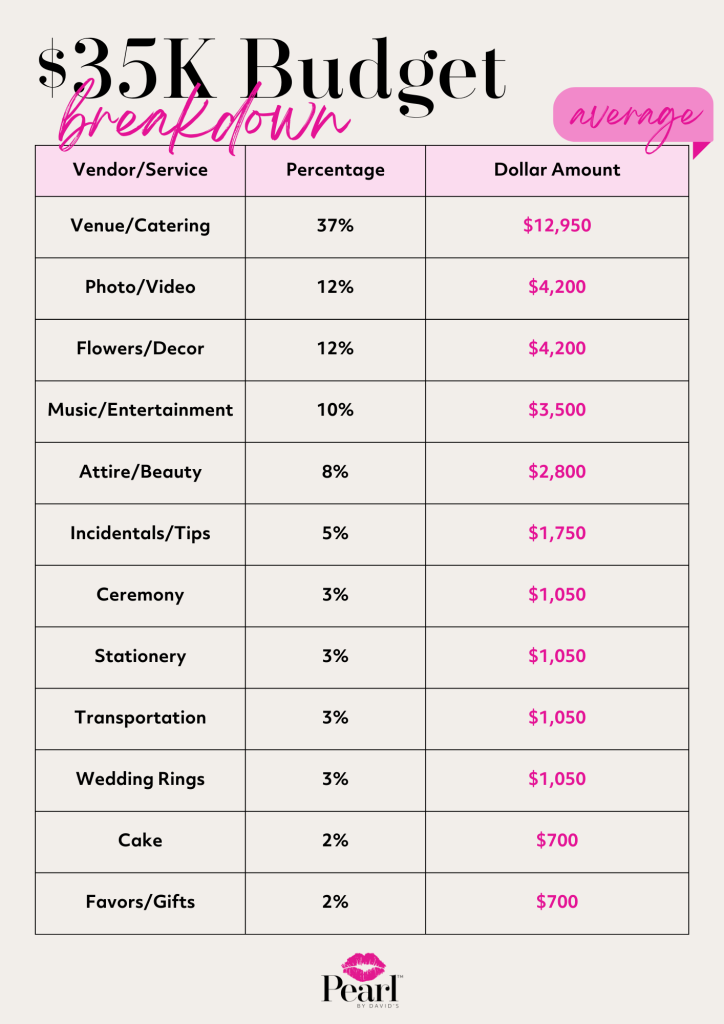
Before you start comparing DJ rates or tasting open bar packages, you need a firm number for the entire event. The national average wedding cost in 2026 sits between $34,000 and $35,000, but that figure is just a starting point, not a rule. Your actual budget will shift based on where you get married and how many people you invite.
Regional variance plays a massive role in how far your money goes. A $35,000 budget might cover a lavish weekend in a rural area but fall short in major metropolitan hubs like New York or San Francisco. According to recent data, venue rentals alone can average $8,573 in some markets, while catering runs around $6,927 nationally. These baseline costs eat up a significant chunk of your total before you even think about entertainment or drinks.
Start by listing your non-negotiables. If a live DJ and an open bar are essential to your vision, allocate specific percentages to those line items early. This prevents you from overspending on flowers or decor and leaving nothing for the people who actually run the party. Once you lock in the total number, you can work backward to determine what you can realistically afford for each vendor.
Allocate funds to venue and catering
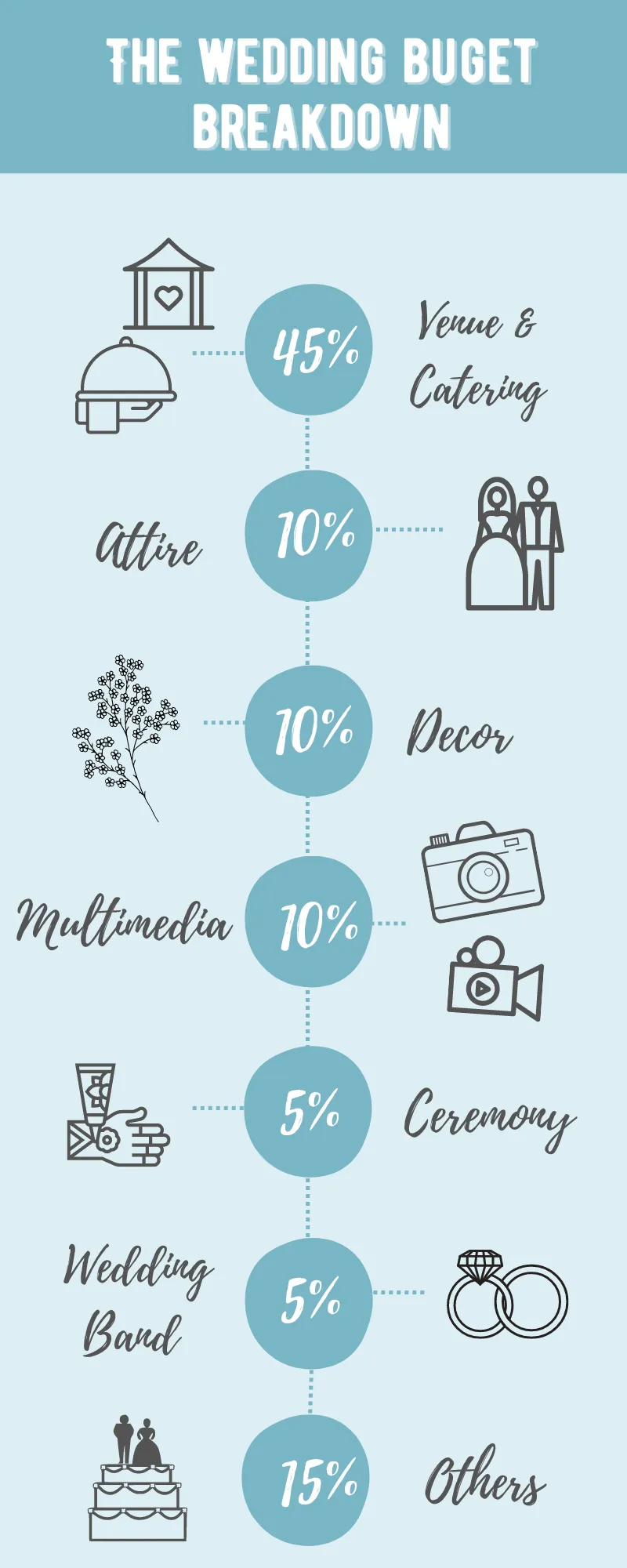
Venue and catering are the two largest cost drivers in a wedding budget. Together, they typically consume more than half of your total spending. Allocating funds to these areas first ensures you secure the space and food before addressing variable costs like DJ rates or open bar options.
Compare venue and catering costs
Understanding the split between rental fees and per-guest catering helps you set realistic expectations. Use the data below to estimate your baseline spending.
| Category | Venue (Average) | Catering (Average) | Notes |
|---|---|---|---|
| National Average | $8,573 | $6,927 | Based on 2026 Zola data |
| % of Total Budget | 29% | 24% | The Knot real couples data |
| Per Guest (Catering) | N/A | $75–$150 | Varies by menu and service style |
Set your allocation strategy
Start by defining your guest count. This number dictates your catering budget, which is usually calculated per head. Once you have that figure, subtract it from your total budget to see what remains for venue rental.
Adjust for local market rates
National averages provide a baseline, but local markets often differ. In high-cost areas, venue rentals may exceed $40,000 for premium locations. If your target market is expensive, consider reducing the guest count or simplifying the catering menu to stay within budget.
Budget for entertainment and DJ rates
Entertainment often lands as one of the largest line items after the venue and catering. Couples typically spend between $1,000 and $3,000 for a professional wedding DJ, depending on location, experience, and the length of the event. To avoid underestimating this budget, you must look beyond the hourly rate and account for the full scope of services.
Calculate total hours and overtime
DJs rarely charge for just the time they are playing music. They need time for setup, sound checks, and breakdown. When booking, confirm exactly how many hours are included in the base price. If your reception runs late, overtime fees can add up quickly, often ranging from $100 to $150 per hour. Factor in a buffer of 30 to 60 minutes beyond your expected end time to cover natural delays.
Account for equipment and travel fees
A professional setup includes more than just a laptop and speakers. Most DJs charge for PA systems, microphones, and lighting rigs. These costs are sometimes bundled into a single package price, but others list them separately. Additionally, travel fees may apply if your venue is outside their standard service area. Ask for a detailed breakdown of these ancillary costs to prevent surprise charges on your final invoice.
Calculate open bar expenses carefully
Open bar costs are one of the most volatile parts of your wedding budget. Unlike a fixed venue rental, the final bill scales directly with guest count and drink consumption. To keep your wedding costs breakdown accurate, you need to model the total based on per-person pricing tiers rather than guessing a flat fee.
Understand the per-person pricing model
Most caterers and bartending services charge a flat rate per person for the duration of the reception, typically ranging from $40 to $75 per guest for a four-hour event. This rate usually covers labor, glassware, and a standard selection of domestic beer, wine, and well spirits. Premium spirits, craft cocktails, or extended hours will increase this per-head cost significantly. When calculating your budget, multiply the per-person rate by your final guest count to get a realistic baseline.
Factor in liquor licenses and service fees
Beyond the drink costs, you must account for state and local liquor licenses if your venue doesn’t provide one. Some jurisdictions require a temporary permit for public events, which can add hundreds of dollars to the total. Additionally, caterers typically add a service charge of 18-22% and sales tax on the total bar tab. These fees are non-negotiable and can inflate your initial quote by nearly a quarter.
Impact of guest count on total cost
Your guest list is the primary driver of your open bar expense. If you reduce your headcount by 10%, your bar bill drops by the same percentage, making it a flexible line item. However, be cautious with "all-inclusive" packages that bundle drinks with catering; these often lock you into a higher per-person rate for food and beverage combined. Always request a separate line item for alcohol to see exactly how much you are paying for drinks alone.
Track remaining costs with a checklist
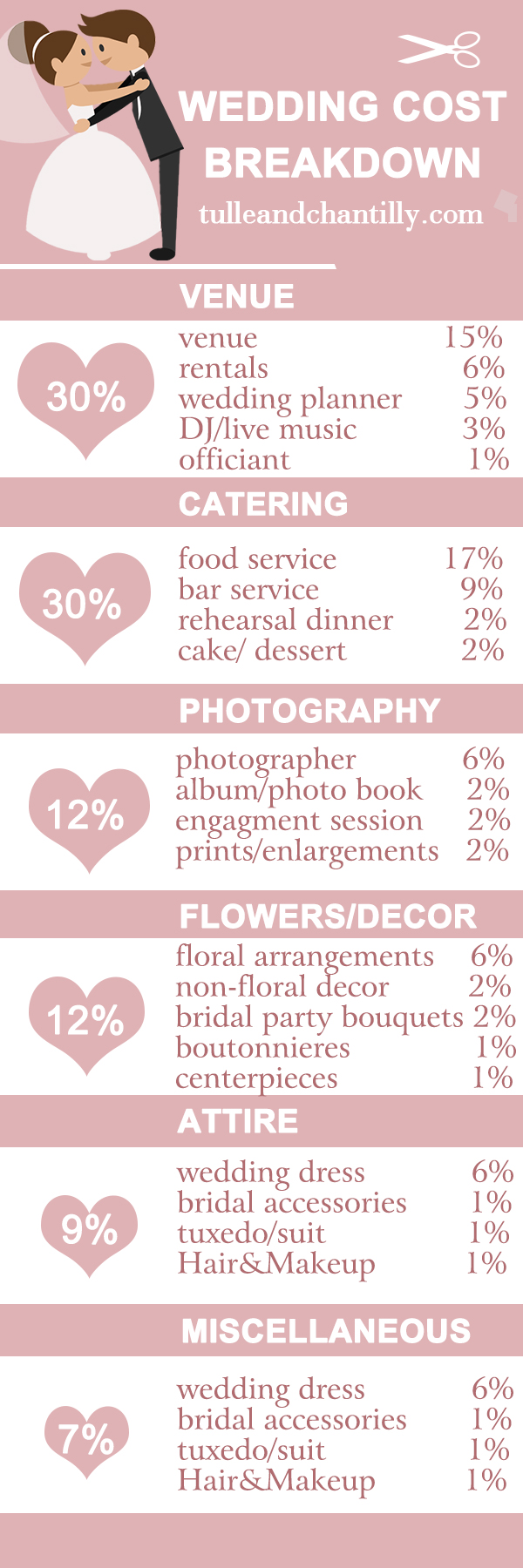
After locking in your DJ rates and open bar budget, the remaining line items often feel fragmented. Photography, floral design, attire, and rentals can easily slip through the cracks if you aren't tracking them against your total cap. Treat these smaller expenses like a puzzle: each piece matters, and the picture doesn't work until every slot is filled.
Use a checklist to capture every category, ensuring no hidden fees or last-minute add-ons derail your financial plan. This approach keeps your wedding costs breakdown accurate and prevents the common pitfall of overspending on minor details while underfunding critical services.
Answer common wedding cost: what to check next
These questions address specific budget thresholds for DJ rates, open bar, and overall planning. Use these figures to calibrate your own numbers based on your guest count and venue type.
No comments yet. Be the first to share your thoughts!