
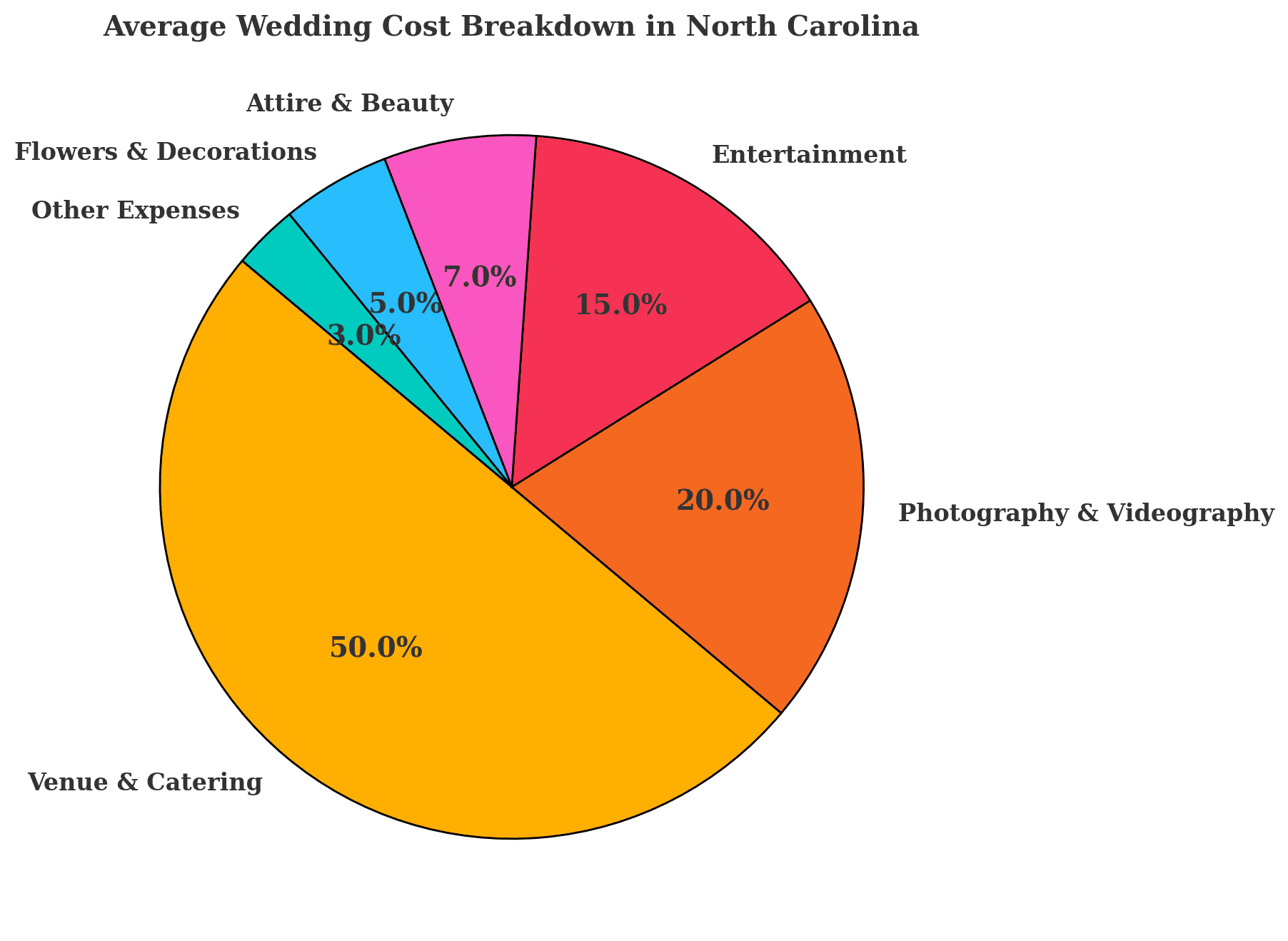
Average wedding costs in 2026
The national average wedding cost sits between $35,000 and $38,000, according to 2026 data from Zola and Fidelity. This baseline varies significantly by region, guest count, and vendor selection. For context, The Knot reports a slightly higher national average of $36,000, while WeddingWire places the typical spend closer to $30,000.
Venue rental and catering remain the largest expenses, often consuming over 40% of the total budget. In 2026, the average venue cost is $8,573, and catering averages $6,927. These two line items alone can exceed $15,000 for a modest gathering, leaving less room for other details.
Guest count is the primary driver of variable costs. A 100-person wedding typically ranges from $20,000 to $50,000, depending on whether you choose a casual reception or a full-service event. Catering per person can range from $75 to $150, meaning adding just 20 guests might increase your total bill by $1,500 to $3,000.
To get a realistic estimate for your specific situation, use the calculator below. It adjusts for venue tier (budget, standard, or luxury) and service levels, such as hiring a DJ versus a live band or choosing an open bar versus a cash bar. Input your expected guest count and select your preferences to see a personalized breakdown of estimated costs.
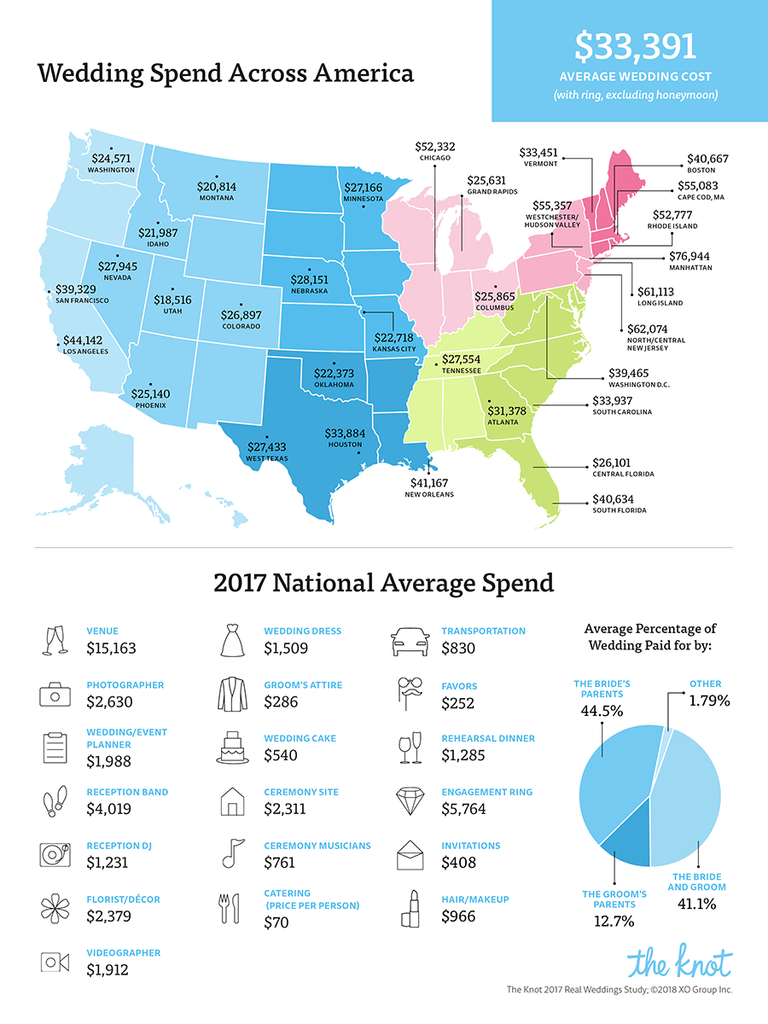
DJ Rates and Entertainment Pricing
Entertainment often accounts for 8% to 10% of your total wedding budget, a significant line item that requires careful comparison. While a DJ offers flexibility and a vast music library, a live band provides a unique energy that many couples find essential for their reception. Understanding the specific cost drivers for each option helps you allocate funds effectively without compromising on the atmosphere you want.
The average cost for a professional DJ ranges from $1,200 to $2,500, depending on experience and location. Live bands typically start at $3,000 and can exceed $10,000 for larger groups with extensive equipment needs. Beyond the base rate, consider add-ons like uplighting, monogram lighting, or professional MC services, which can add $300 to $800 to your final bill.
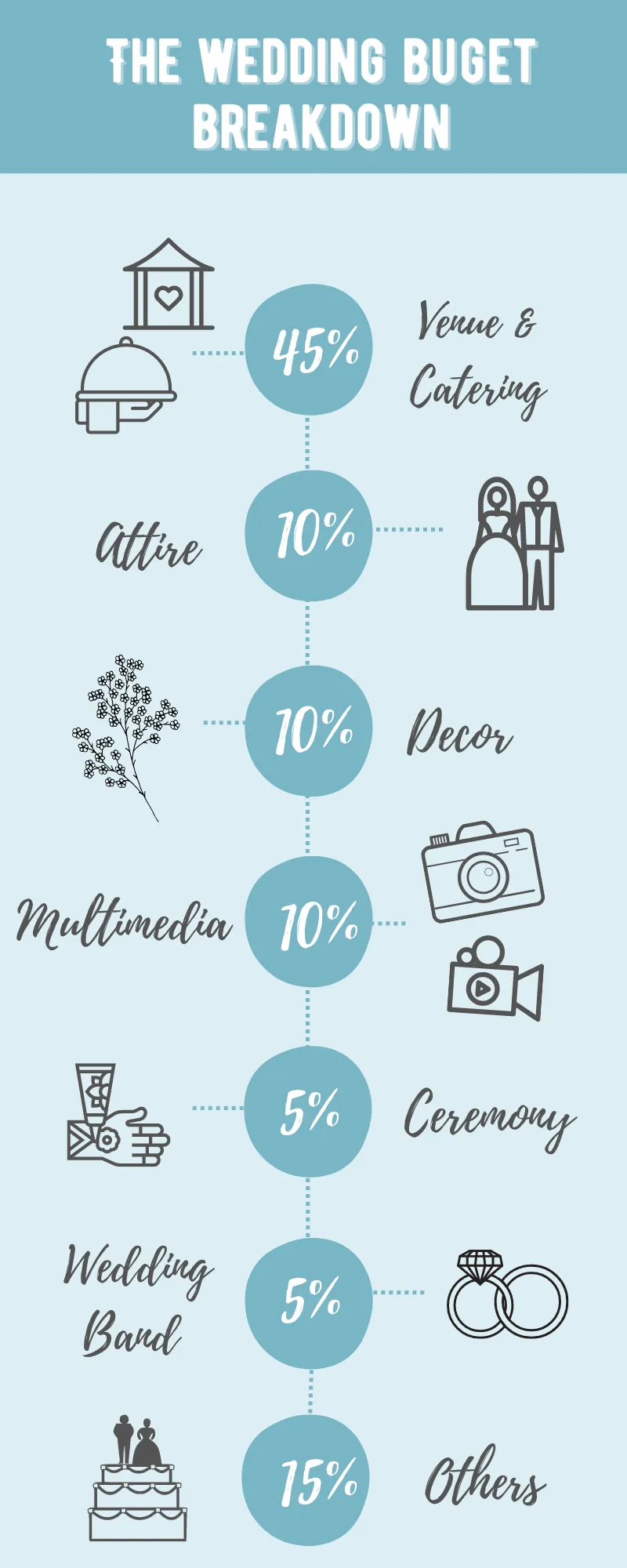
Use the comparison table below to see how standard packages differ in setup time, equipment inclusion, and total cost ranges. This side-by-side view clarifies where your money goes, whether you are hiring a solo DJ or a four-piece band.
Open bar expenses and per-head costs
Alcohol service is one of the most variable line items in a wedding budget. Unlike catering, where per-person pricing is relatively standardized, bar costs fluctuate based on consumption habits, service style, and local liquor laws. Understanding how these variables interact helps you predict the final bill before signing a contract.
Most vendors offer three primary service models. An open bar covers all drinks for guests, offering the highest convenience but also the highest risk of overage if consumption exceeds estimates. A limited bar typically includes domestic beer, house wine, and a few signature cocktails, capping costs while still providing variety. A cash bar shifts the expense to guests, usually charging per drink or offering a set allowance, which significantly lowers the vendor bill but can impact guest satisfaction.
The math behind an open bar relies on consumption estimates. Industry standards often assume one drink per hour for the first two hours, followed by two drinks per hour thereafter. For a 100-guest wedding with a five-hour reception, this equates to roughly 150-180 drinks. At an average cost of $10 to $15 per drink, the total can range from $1,500 to $2,700, excluding service charges and taxes.
Hidden fees to watch for
Even with a detailed contract, the final bill often exceeds the initial quote. Vendors frequently add service charges, taxes, and gratuities that were not explicitly included in the base rate. According to 2026 data from The Knot and Zola, these add-ons can inflate your total wedding costs by 20-30% if you aren't tracking them closely.
Service charges are the most common surprise. Many venues and caterers add a 15-25% fee to cover staffing and operations. Unlike a tip, this money goes directly to the business, not the staff. Taxes vary by state and county, adding another 6-10% to food and beverage costs. Gratuities are often optional but expected, especially for bartenders and DJs.
Overtime fees are another area where budgets derail. If your reception runs longer than the contracted time, vendors may charge $100-$200 per hour for extra staff or equipment usage. Setup and teardown fees can also appear as separate line items, sometimes costing hundreds of dollars for labor that seems included in the rental.
To avoid these surprises, always ask for an "all-in" price. Verify if service charges, tax, and gratuity are included in the quoted price before signing any contract.
Common wedding cost: what to check next
Couples often search for specific budget thresholds to gauge where their plans stand. While the national average sits near $30,000, actual costs fluctuate wildly based on guest count and venue tier. Use the calculator below to estimate your total spend based on your specific numbers.
No comments yet. Be the first to share your thoughts!