

The Rise of Conscious Bridal
The wedding world is changing. Brides increasingly prioritize sustainability for their big day, including their dress. It's no longer just about a beautiful gown; it's about aligning personal values with purchases. Demand is growing for dresses that are kinder to the planet and the people who make them.
The wedding industry hasn't historically been known for eco-consciousness. But as environmental awareness grows and younger generations with different priorities plan weddings, that's changing. Brides are asking about dress origins, materials, and purchase impact. This feels like a fundamental shift, not a fleeting trend.
There's a beautiful irony here. Weddings mark the start of a life together, a future you want to build. Increasingly, brides want that future to be sustainable, starting with conscious choices about every detail, including the dress. This desire for meaning goes beyond environmental concerns to include ethical sourcing and a craving for unique, personal pieces.
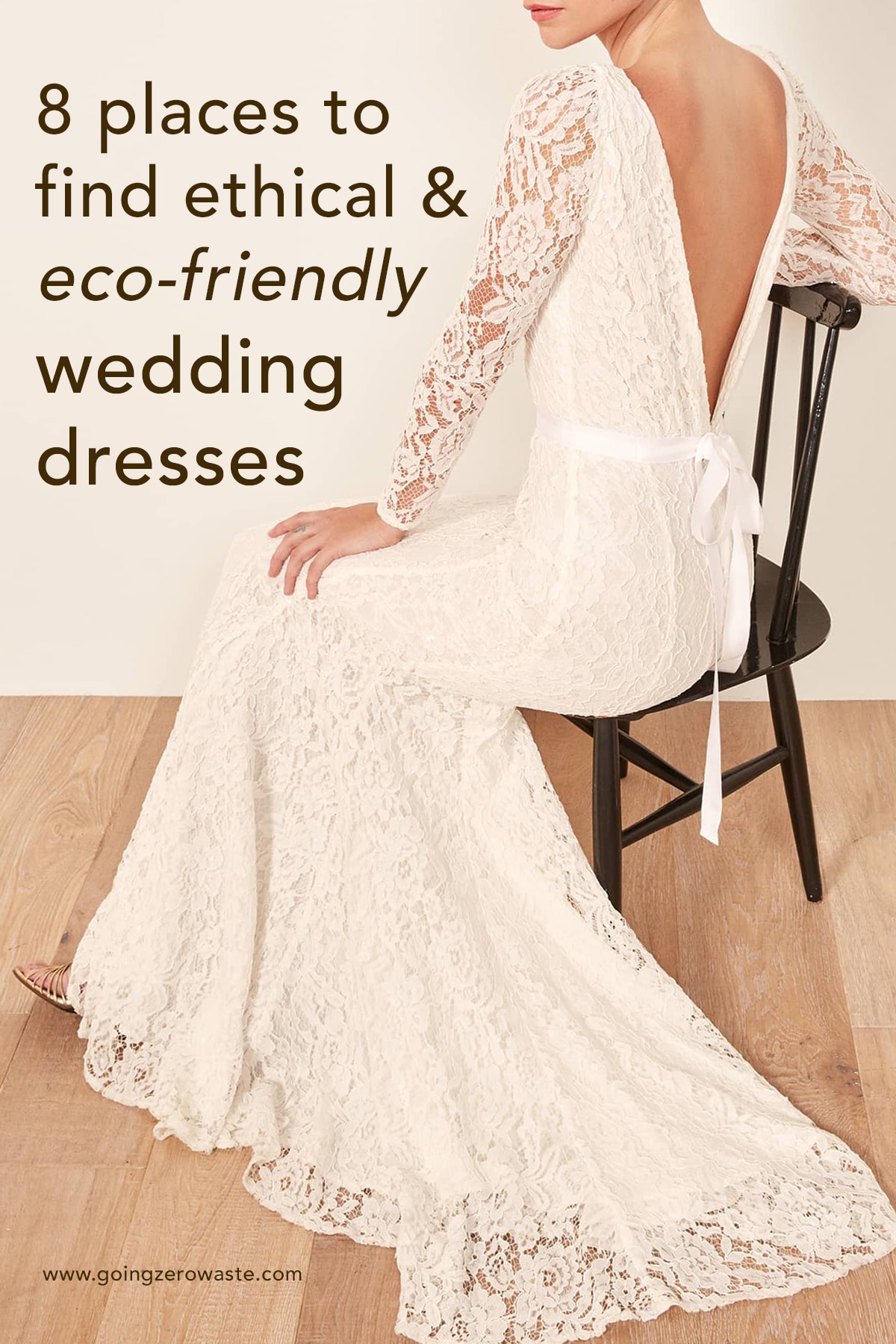
Fabric First: Eco-Friendly Materials
The foundation of a sustainable wedding dress is the fabric. Traditional materials like silk and polyester have significant environmental drawbacks. Silk production is water-intensive and can harm silkworms, while polyester is a synthetic fabric from fossil fuels. Thankfully, eco-friendly alternatives are growing.
Organic cotton is a good start, though it requires water and land. Hemp is a fantastic option—it grows quickly, needs little water, and is durable. Linen, from flax, is another sustainable choice, known for breathability and elegant drape. Recycled materials are gaining traction, especially recycled polyester from plastic bottles and recycled lace, which repurposes vintage textiles.
Innovation is happening with fabrics like Tencel (lyocell), made from sustainably sourced wood pulp, and peace silk (ahimsa silk), where silkworms complete their natural life cycle. Look for certifications like GOTS (Global Organic Textile Standard) and Oeko-Tex Standard 100, which ensure fabrics are tested for harmful substances and meet environmental and social criteria. Costs vary—organic cotton and linen are more affordable, while peace silk and Tencel are pricier.
- Organic Cotton: Affordable, breathable, but water-intensive.
- Hemp: Fast-growing, durable, requires little water.
- Linen: Breathable, elegant drape, sustainable flax plant.
- Recycled Polyester: Made from plastic bottles, reduces waste.
- Tencel (Lyocell): Sustainably sourced wood pulp, soft and durable.
- Peace Silk (Ahimsa Silk): Ethical silk production, allows silkworms to live.
Designers Leading the Way
Several designers champion sustainability in bridal fashion. Wear Your Love, based in Colorado, makes comfortable, bohemian-style dresses from organic cotton and Tencel, focusing on minimizing waste. Lost in Paris offers vintage-inspired dresses using ethically sourced materials and local production.
Reformation, though not exclusively bridal, offers wedding dresses made from sustainable fabrics in environmentally responsible factories. They are transparent about their supply chain and committed to reducing their environmental impact. Indie brands like Indiebride and Leila Hafzi are also known for unique designs and sustainable practices.
These designers rethink the entire design process. Zero-waste design, arranging pattern pieces to minimize fabric scraps, is becoming popular. Local production reduces transportation emissions and supports local economies. Using vintage or repurposed materials adds a unique story to each dress.
- Wear Your Love: Organic cotton, Tencel, bohemian styles.
- Lost in Paris: Ethically sourced materials, vintage-inspired.
- Reformation: Sustainable fabrics, transparent supply chain.
- Indiebride: Unique designs, sustainable practices.
- Leila Hafzi: Modern silhouettes, eco-conscious materials.
Sustainable Dress Designers
- Lost in Paris - Specializing in flowy, bohemian gowns, Lost in Paris utilizes sustainable fabrics and ethical production practices. Dresses are made-to-order, reducing waste. Price Range: $1800 - $4500. Style Aesthetic: Boho, Romantic.
- Wear Your Love - This brand offers customizable, eco-friendly dresses made from Tencel and other sustainable materials. They focus on comfort and a relaxed fit. Price Range: Under $2000. Style Aesthetic: Modern, Minimalist.
- Reformation - Known for their commitment to sustainability, Reformation offers a selection of bridal dresses made from recycled materials and responsibly sourced fabrics. Price Range: $200 - $4000. Style Aesthetic: Modern, Chic.
- Leanne Marshall - Leanne Marshall creates ethereal and romantic gowns with a focus on sustainable practices, including using recycled fabrics and minimizing waste. Price Range: $3000 - $8000. Style Aesthetic: Romantic, Ethereal.
- Christine Couture - Christine Couture designs dresses with a focus on slow fashion and ethical production. They utilize organic and sustainable fabrics. Price Range: $2500 - $6000. Style Aesthetic: Modern, Minimalist.
- Alexandra Grecco - Alexandra Grecco offers a range of bridal gowns, with a growing commitment to sustainable materials and ethical production. They often incorporate vintage laces and fabrics. Price Range: $4000 - $10,000. Style Aesthetic: Romantic, Modern.
- Pronovias - While a larger brand, Pronovias has launched a sustainable collection featuring dresses made with eco-friendly fabrics like recycled polyester and organic cotton. Price Range: $2000 - $7000. Style Aesthetic: Classic, Modern.
Vintage & Pre-Loved Gems
Don't underestimate vintage and pre-owned wedding dresses. This is perhaps the most sustainable option—giving a beautiful dress a new life and keeping it out of a landfill. Vintage dresses often have a unique charm and character not found in modern designs, and they can be incredibly affordable.
Look to consignment shops specializing in bridal wear. Online marketplaces like Stillwhite and Nearly Newlywed connect sellers directly to buyers. Estate sales and antique shops can also yield treasures. Be prepared to invest time and effort; the rewards can be well worth it.
When assessing a vintage dress, check carefully for damage—stains, tears, or missing beads. Consider alteration costs for fit adjustments. Don't hesitate to ask about the dress's history and care. A skilled seamstress can transform a vintage dress into your dream gown.
Renting: A Modern Option?
Wedding dress rental is a new concept gaining traction as a sustainable and affordable alternative to buying. Services like Rent the Runway offer limited selections, but bridal-specific rental companies are emerging. The idea is simple: rent a dress for your wedding day, then return it.
The pros are convenience and cost savings. Renting is significantly cheaper than buying, especially for a designer dress worn once. It's also good if you're unsure of your style or want to try different looks. Drawbacks include limited selection; you might not find the exact dress you want.
There's also potential for wear and tear—you trust the dress arrives in perfect condition and that minor damage isn't your responsibility. I'm skeptical about the wedding dress rental market due to the strong emotional connection many brides have with their dress. However, it's an option worth considering, especially if sustainability and affordability are top priorities.
Beyond the Dress: Accessories & Details
Sustainability shouldn't stop at the dress. Consider your accessories' environmental impact. Look for shoes from recycled materials or vegan leather. Choose a veil from organic cotton or recycled tulle. For jewelry, opt for ethically sourced diamonds and gemstones.
The diamond industry has a history of ethical concerns, so research is important. Look for diamonds certified by the Kimberley Process, which aims to prevent conflict diamond trade. Lab-grown diamonds are another sustainable option—they have the same properties as mined diamonds but are created in a lab, reducing environmental impact.
Don't forget alterations! Ask your seamstress to use organic thread and natural dyes when possible. These small choices add up and make a big difference.
- Shoes: Recycled materials, vegan leather.
- Veil: Organic cotton, recycled tulle.
- Jewelry: Ethically sourced diamonds, lab-grown diamonds.
Connecticut Boutiques: Local Finds
Connecticut brides seeking sustainable options have several boutiques to explore. The Dressing Room Boutique in Wallingford carries various dresses and accessories. While not explicitly marketed as 'sustainable,' they offer a curated selection and personalized service, allowing for more conscious choices. Michele ~ A Bridal Boutique on the shoreline offers style and affordability; a conversation about material sourcing might reveal more sustainable options.
The Wedding Embassy also fits many brides, specializing in affordable and beautiful dresses. Reach out to each boutique directly to inquire about their sustainable practices—where they source dresses, what materials they use, and steps taken to minimize environmental impact. Don't hesitate to ask detailed questions!
Finding comprehensive sustainability information from bridal boutiques can be challenging, as many are in the early stages of adopting eco-friendly practices. However, by asking the right questions and supporting boutiques making an effort, you can contribute to a more sustainable bridal industry in Connecticut.
What to Expect During Shopping
undefined requires a bit more preparation and a different mindset. Before you start, create a budget and a list of your priorities – what’s most important to you in terms of sustainability, style, and price. Bring inspiration photos, but be open to considering different options. And don’t forget to wear comfortable shoes!
When you visit a boutique, ask questions about their sustainability practices. Where do their dresses come from? What materials are they made of? Do they offer alterations using organic thread and natural dyes? Don’t be afraid to ask for details – a reputable boutique will be happy to provide them. Assess the quality and longevity of the dress. Is it well-made? Will it last? A sustainable dress should be an investment that you can cherish for years to come.
Finally, consider the environmental impact of your shopping trip. Carpool with your friends, choose a boutique that’s easily accessible by public transportation, and bring your own reusable water bottle. And remember, alterations are often necessary, so factor that into your budget and timeline. A well-fitted dress is not only more comfortable but also more sustainable, as it’s less likely to be discarded due to poor fit.
- Questions to ask: Where do dresses come from? What materials are used? What are alteration practices?
- Consider: Quality, longevity, and fit.
- Minimize impact: Carpool, use public transport, bring a reusable water bottle.
https://t.co/Ny9cjDdxqG
— Kayseven (@Kaysevenl63) April 13, 2026
Beautiful week for wedding dress shopping 🛍️
Princeton Bridal is the perfect spot 🌟😍
No comments yet. Be the first to share your thoughts!