

Wedding DJ Costs in 2026: What to Really Expect
Planning a wedding in 2026? One of the first financial questions couples ask is: how much will a DJ cost? The answer, unfortunately, isn't simple. While costs are generally rising with inflation and increased demand for wedding services, the price of a wedding DJ in 2026 will vary significantly. Expect to see a continued increase from 2024 rates, but don’t assume a single number will apply to everyone.
Several factors influence the final cost. A DJ’s experience level is a major one – a seasoned professional will naturally charge more than someone just starting out. Location plays a huge role, with rates in major cities being considerably higher than in rural areas. The services offered also impact the price; a basic package with music playback will be less expensive than one that includes lighting, a photo booth, and an experienced MC.
I’ve seen estimates ranging from around $800 to over $5,000 or more, and honestly, both ends of that spectrum are realistic depending on your needs and expectations. Don't get discouraged by the higher numbers – there are DJs at every price point. The key is understanding what you’re paying for and finding someone who fits your budget and style. It's a good idea to start researching and getting quotes well in advance of your wedding date.
Breaking Down the Price: What’s Included in a Wedding DJ Package?
What do you actually get for your money when you hire a wedding DJ? Most standard packages include the basics: music playback throughout your reception, and MC services to announce events like the grand entrance, first dance, and cake cutting. However, the details within those services can vary widely. For instance, does the DJ have a vast music library, or will you need to provide a playlist?
Beyond the basics, many DJs offer add-ons that significantly impact the overall cost. These can include professional-grade sound systems capable of handling large venues, customized lighting packages (like uplighting to match your wedding colors), and even extras like a dance floor rental. Some DJs also offer photo booths, which can be a convenient all-in-one entertainment option.
It’s important to clarify whether travel fees are included in the quoted price. DJs typically charge a mileage fee or a flat rate for travel outside a certain radius. Setup and breakdown time is another factor to consider. A professional DJ will need time to set up their equipment and test everything before the event, and to pack it up afterwards. This time is sometimes included in the package price, but not always.
Location, Location, Location: How Geography Impacts DJ Rates
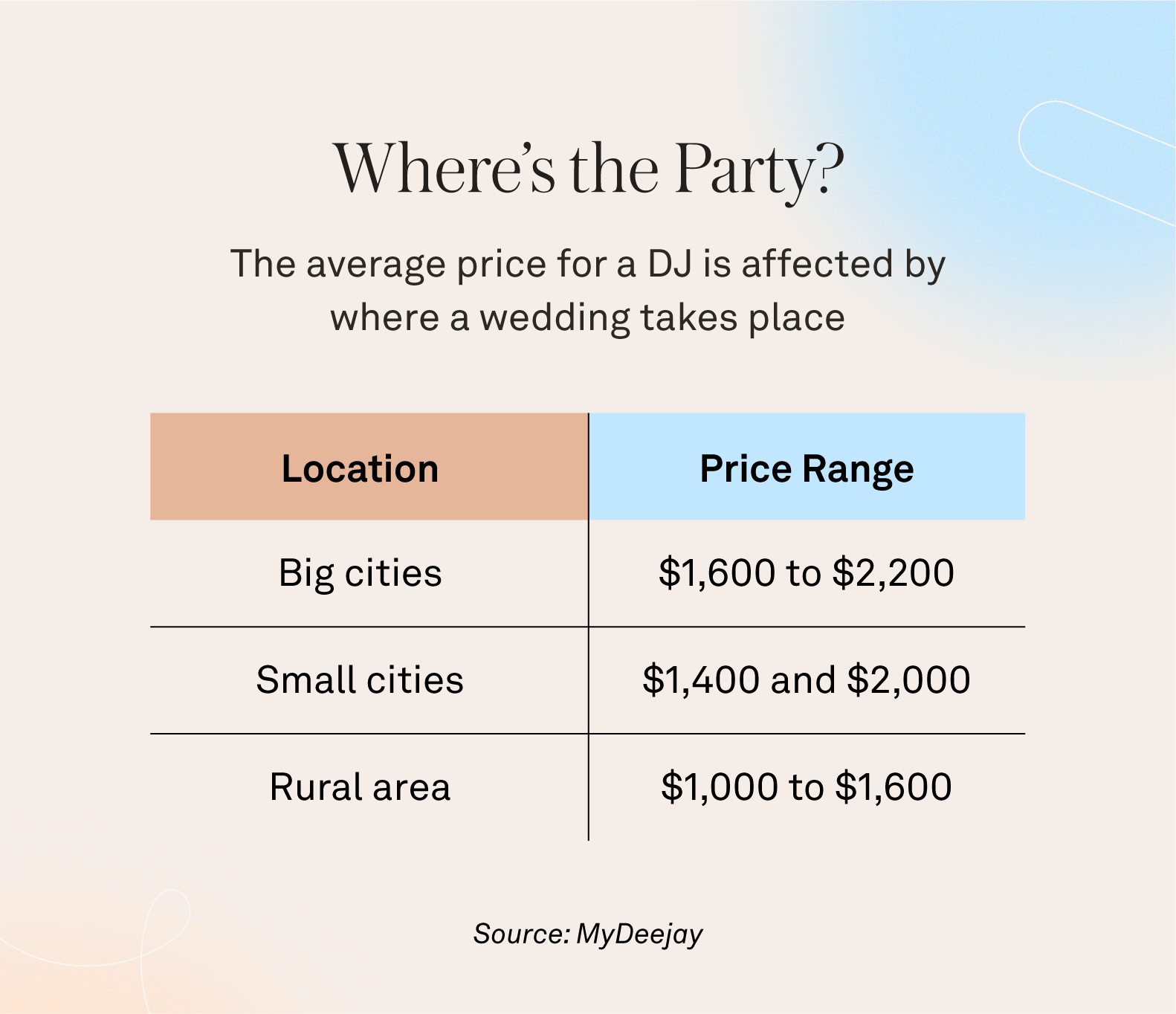
DJ rates are heavily influenced by location. It’s no surprise that major metropolitan areas command higher prices. In cities like New York, Los Angeles, and Chicago, the cost of living is higher, and there’s more competition for DJ services. According to data from WeddingWire, the average cost of a wedding DJ in a major metropolitan area can easily exceed $1,500.
Rural areas generally have lower DJ rates, often falling in the $600-$1,200 range. However, the availability of DJs may be limited in these areas. Destination weddings present a unique situation. You’ll likely need to factor in travel and accommodation costs for the DJ, which can add significantly to the overall expense.
Here's a rough regional breakdown based on current averages: the Northeast and West Coast tend to be the most expensive; the South and Midwest are generally more affordable. Keep in mind these are just averages, and individual rates will vary. A DJ in a popular destination wedding location like Hawaii or Florida will likely charge a premium, regardless of their base location.
Experience Matters: DJ Tiers and Their Price Points
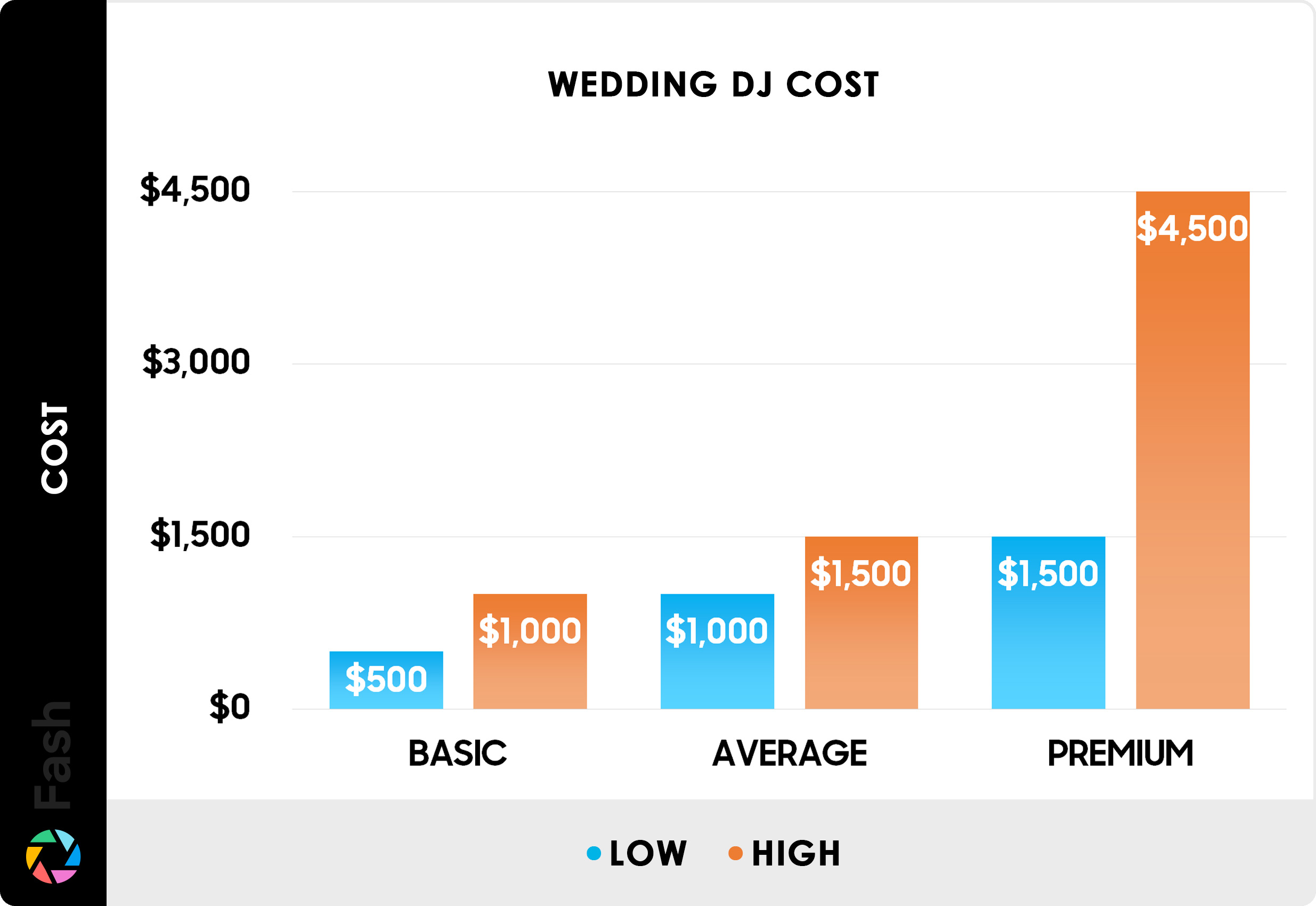
DJs aren't all created equal. Categorizing them into tiers based on experience is a useful way to understand the price differences. We can broadly define three tiers: beginner, intermediate, and professional. A beginner DJ is typically new to the wedding scene, with limited experience and potentially less sophisticated equipment. They might be a good option for couples on a tight budget, but be prepared for a less polished performance.
Intermediate DJs have several years of experience and a solid track record. They've likely performed at numerous weddings and have a good understanding of event flow and crowd control. Their equipment is usually reliable and well-maintained, and they're comfortable handling requests and adapting to changing circumstances. Expect to pay a bit more for their expertise.
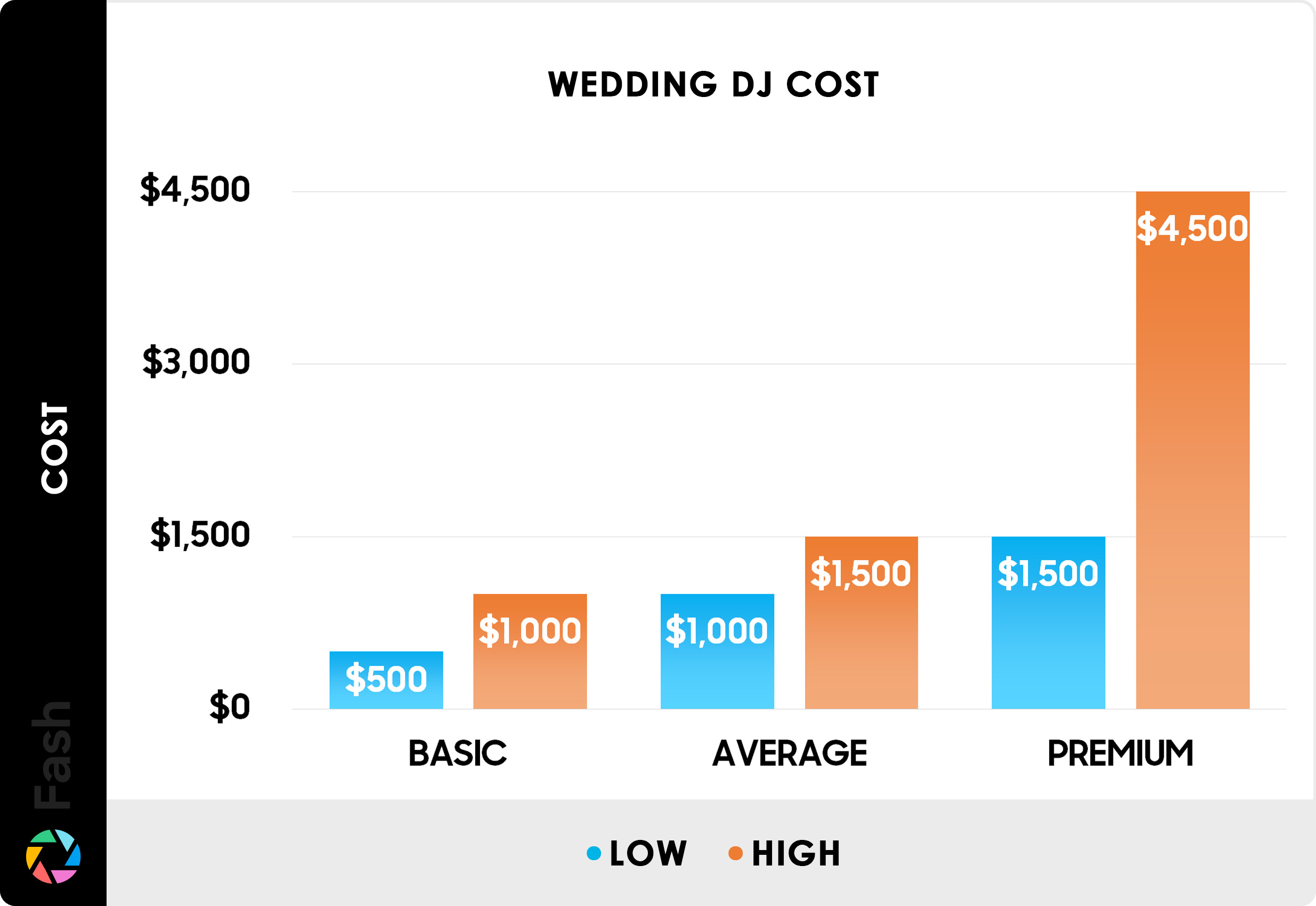
Professional DJs are seasoned veterans with extensive experience and a reputation for excellence. They often have specialized equipment, like high-end sound systems and lighting rigs, and can handle even the most complex events. They’re also skilled at reading a crowd and keeping the energy high all night long. These DJs command the highest prices, often exceeding $3,000 or more. A beginner DJ might charge $500 - $800, an intermediate $1,000 - $2,000, and a professional $2,500+.
It’s crucial to be realistic about your expectations. A beginner DJ might be affordable, but they may lack the finesse and problem-solving skills of a seasoned pro. A professional DJ will likely provide a smoother, more memorable experience, but at a higher cost.
- Beginner DJ: $500 - $800 (Limited experience, basic equipment)
- Intermediate DJ: $1,000 - $2,000 (Several years of experience, reliable equipment)
- Professional DJ: $2,500+ (Extensive experience, high-end equipment)
Wedding DJ Tier Comparison - 2026 Estimates
| DJ Tier | Years of Experience | Weddings Performed | Equipment Quality | Music Library Size | MC Skills | Estimated Price Range (USD) |
|---|---|---|---|---|---|---|
| Beginner | Less than 1 year | Fewer than 10 | Basic | Limited | Basic | $500 - $1,200 |
| Intermediate | 1-3 years | 10-25 | Good | Moderate | Moderate | $1,200 - $2,000 |
| Professional | 3+ years | 25+ | High Quality | Extensive | Advanced | $2,000 - $5,000+ |
| Professional (High Demand) | 5+ years | 50+ | Excellent | Extensive & Specialized | Exceptional | $5,000 - $8,000+ |
| Professional (Destination Wedding) | 3+ years | 25+ | High Quality, Portable | Extensive | Advanced | $3,000 - $10,000+ (includes travel) |
| Intermediate (Package Deals) | 1-3 years | 10-25 | Good | Moderate | Moderate | $1,500 - $2,500 (with lighting/uplighting) |
Illustrative comparison based on the article research brief. Verify current pricing, limits, and product details in the official docs before relying on it.
Style and Specialty DJs: Niche Services and Added Costs
While many DJs are generalists, some specialize in specific genres or services. Hiring a DJ who gets your musical vision can be worth the extra cost. For example, if you’re planning a Latin-themed wedding, a DJ specializing in salsa, merengue, and bachata will be a better fit than a generalist who only plays top 40 hits.
Other niche services include bilingual MCs (for weddings with guests who speak multiple languages), silent disco DJs (who provide music through wireless headphones), and DJs specializing in specific eras (e.g., 80s, 90s). These specialty services typically come with a premium price tag, often adding several hundred dollars to the overall cost.
Don't underestimate the value of finding a DJ who understands your style. If you're a fan of electronic dance music, a DJ with a passion for that genre will be able to create a more energetic and immersive atmosphere than someone who isn't familiar with the music.
Hidden Costs to Watch Out For: Contracts, Add-ons, and Overtime
Transparency is key when it comes to wedding DJ pricing. Unfortunately, hidden costs can sometimes creep up, so it’s essential to read your contract carefully and ask questions about all potential fees. Setup and breakdown time is one area to watch. Some DJs include this in their package price, while others charge an additional fee.
Overtime fees are another common hidden cost. Most DJs have a set time limit for their performance, and if you want them to stay longer, you’ll need to pay an hourly overtime rate. Travel expenses, as mentioned earlier, can also add up. Be sure to clarify whether the quoted price includes travel, or if you’ll be responsible for covering mileage or accommodation.
Adding extra services, like a second DJ or a photo booth, will naturally increase the cost. Make sure you understand the price of each add-on before signing the contract. Here's a quick checklist to help you stay on top of things:
- Review the contract carefully: Pay attention to all the details, including the services included, the payment schedule, and the cancellation policy.
- Ask about overtime fees: What is the hourly rate for overtime?
- Clarify travel expenses: Are travel costs included in the price?
- Confirm setup and breakdown time: Is this included in the package?
Negotiating with DJs: Tips for Getting the Best Rate
Negotiating with a DJ isn't about trying to get a bargain basement price; it's about finding a fair price that reflects the services you need. Booking during off-peak seasons (e.g., January, February, November) can often result in a lower rate. Being flexible with your wedding date can also give you more leverage.
Bundling services is another effective negotiation tactic. If you need both a DJ and a photo booth, ask if the DJ offers a discounted package price. Don’t be afraid to ask if they’re willing to match a competitor’s quote, but be respectful and avoid lowballing.
Remember, a good DJ is worth paying for. They'll help create a memorable atmosphere and keep your guests entertained. However, there’s always room for polite negotiation. Be clear about your budget and what you’re willing to spend, and be open to compromise.
2026 DJ Rate Predictions & Trends
Looking ahead to 2026, I anticipate that wedding DJ rates will continue to rise, albeit at a slower pace than in recent years. Inflation is expected to moderate, but demand for wedding services will likely remain strong. The popularity of specialty DJs, particularly those specializing in niche genres, is also expected to increase.
We might see a greater emphasis on technology, with more DJs offering services like live streaming and virtual guest participation. The demand for interactive entertainment, like photo booths and silent discos, will likely continue. Ultimately, couples should prepare to invest a significant portion of their wedding budget in entertainment.
Staying informed about current trends and getting quotes from multiple DJs is the best way to ensure you get a fair price and find someone who fits your vision for your special day. Doing your research now will pay off in the long run.
No comments yet. Be the first to share your thoughts!