
Wedding DJ Costs in 2026: A Realistic Look
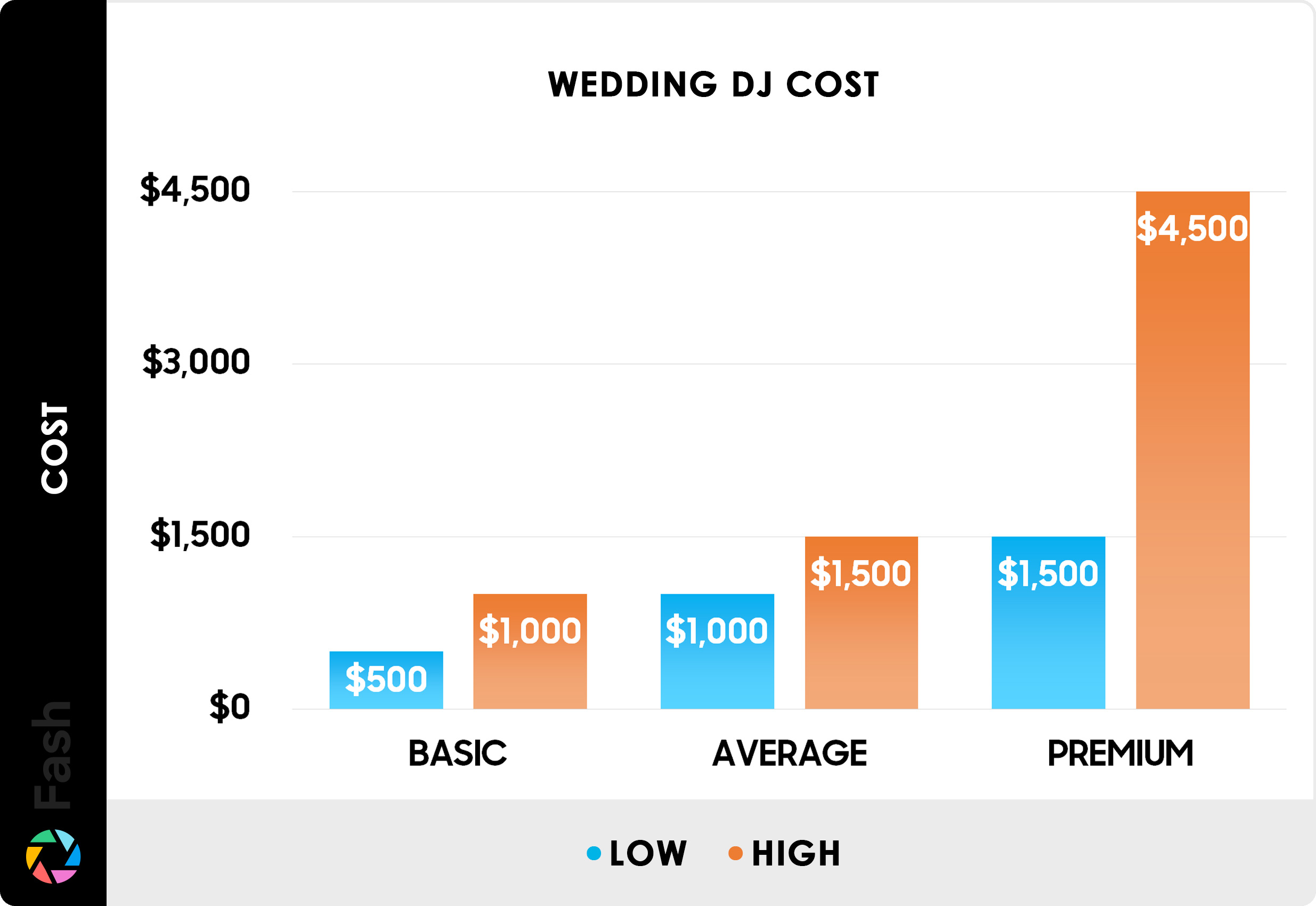
Planning a wedding involves a lot of budgeting, and securing a DJ is often a significant part of that. In 2026, couples can realistically expect to invest anywhere from $800 to $2,500 or more for a wedding DJ, but that's a very wide range. The final price tag is impacted by a lot of different factors, and understanding those will help you plan effectively.
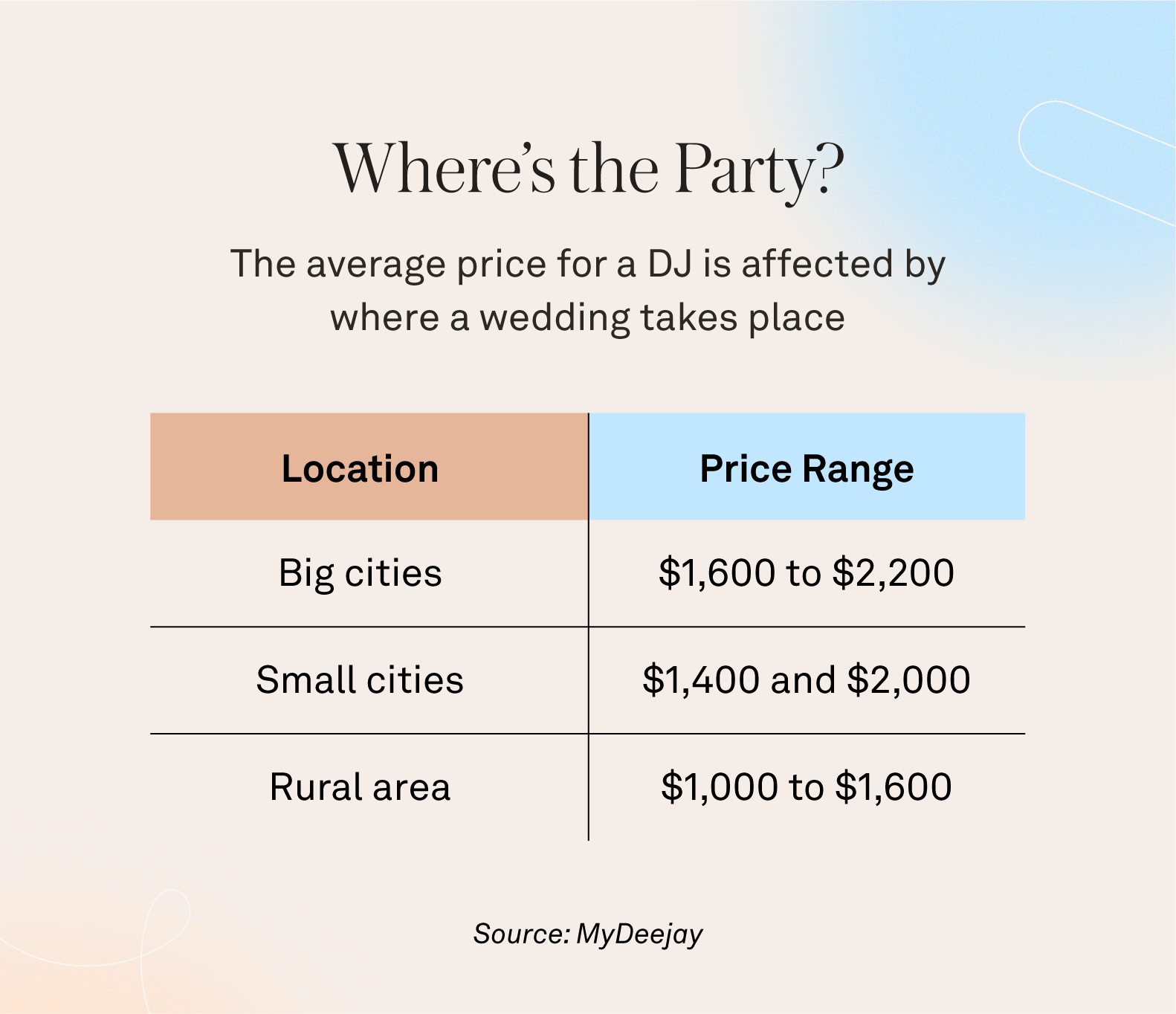
A DJ’s experience level is a major driver of cost. Newer DJs building their portfolio will naturally charge less than seasoned professionals with years of experience and countless weddings under their belt. Location plays a huge role too – DJs in major cities generally have higher rates than those in more rural areas. Demand also influences pricing; peak wedding season (typically spring and fall) will command higher fees.
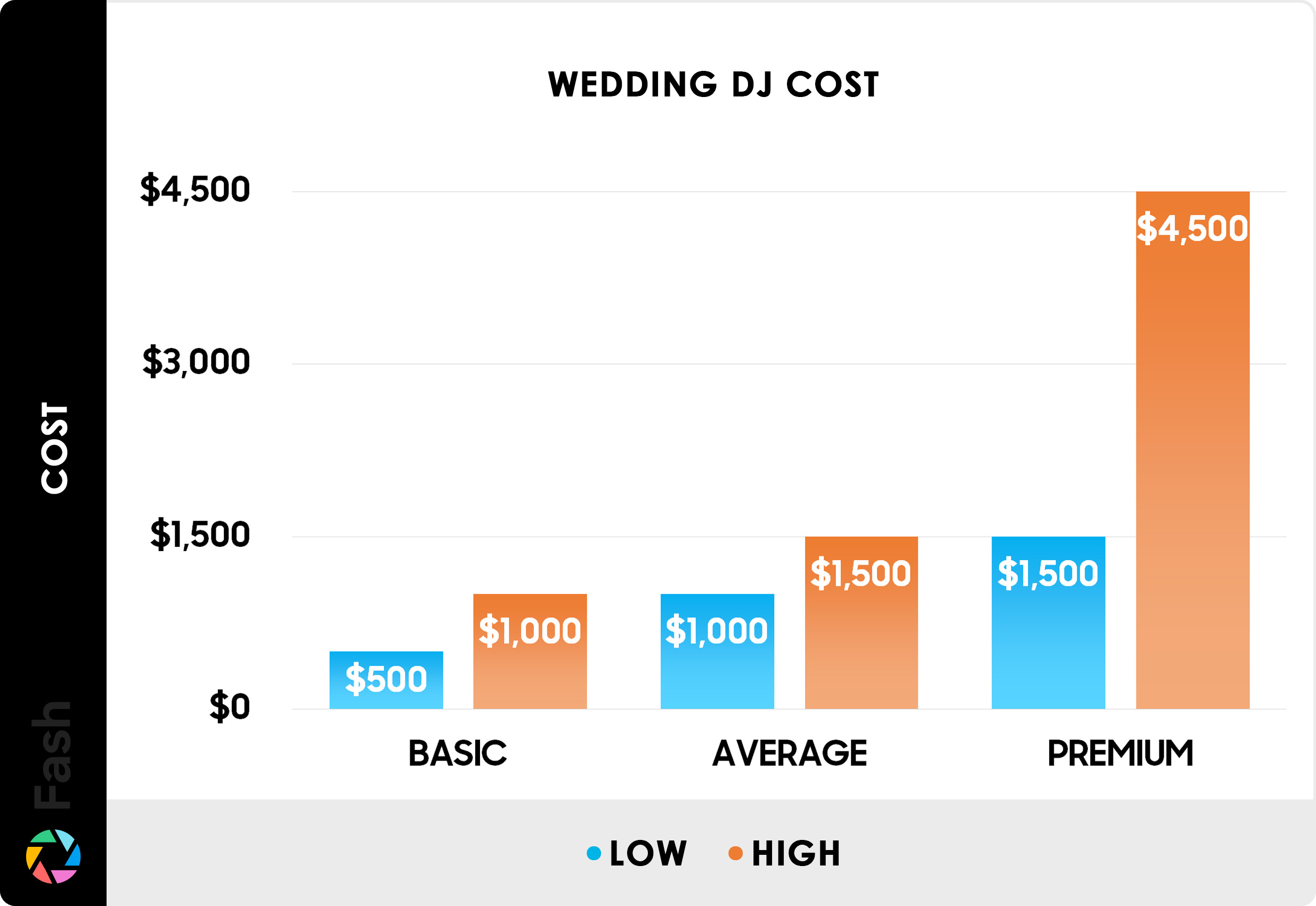
The services offered also dramatically change the cost. A basic DJ package might cover just the music and a standard sound system for a set number of hours. A more comprehensive package, however, could include things like uplighting, a photo booth, custom playlists curated to your preferences, and even a second DJ to ensure seamless music throughout your event. It's important to be clear about exactly what you’re getting for your money.
Average DJ Rates by Region
DJ rates vary considerably depending on where you’re getting married. According to data from The Knot and WeddingWire, here’s a breakdown of average costs by region as of late 2023/early 2024, which we can reasonably expect to influence 2026 pricing. Remember these are averages – individual rates will still vary.
In the Northeast, you can expect to pay between $1,200 and $3,000. New York City DJs, for instance, frequently average $1,800 to $4,000. The Southeast generally falls in the $900 to $2,200 range, with cities like Atlanta and Charleston potentially being slightly higher. The Midwest tends to be more affordable, with rates typically between $800 and $1,800.
The Southwest, including areas like Arizona and Nevada, generally sees rates between $1,000 and $2,500. Finally, the West Coast, particularly California, is one of the most expensive regions, with DJs often charging $1,500 to $3,500 or even more. These prices are based on a four-hour performance; additional hours will increase the total cost. Keep in mind that these are just averages, and specific DJs may charge more or less based on their experience and the complexity of your event.
It’s worth noting that some DJs use a tiered pricing system based on the services included. It's important to get a detailed quote that outlines everything that's included in the price.
Average Wedding DJ Rates by Region (2026 Estimates)
| Region | Low End | Average | High End |
|---|---|---|---|
| Northeast | $800 | $1,200 - $1,500 | $2,000+ |
| Southeast | $700 | $1,000 - $1,300 | $1,800+ |
| Midwest | $600 | $900 - $1,200 | $1,600+ |
| Southwest | $750 | $1,100 - $1,400 | $1,900+ |
| West Coast | $900 | $1,400 - $1,700 | $2,500+ |
Illustrative comparison based on the article research brief. Verify current pricing, limits, and product details in the official docs before relying on it.
What’s Included: Package Levels & Pricing
Most wedding DJs offer tiered packages to cater to different budgets and needs. A basic package, often the most affordable option, typically includes around four hours of coverage, a standard sound system appropriate for the venue size, and basic music mixing. You’ll likely have some input on a "do not play" list, but playlist customization may be limited. These packages generally start around $800-$1,200.
A mid-range package (around $1,500 - $2,200) expands on the basic offering. Expect features like uplighting to enhance the venue atmosphere, more extensive playlist customization options, and potentially a consultation to discuss your musical preferences in detail. Some mid-range packages include a second DJ for larger events or to ensure seamless transitions between music styles. You might also get access to online planning tools.
Premium packages (starting around $2,500 and going up significantly) are the most comprehensive. These often include everything from the mid-range package plus extras like a photo booth, a custom monogram projection, wireless microphones for speeches, and even a dedicated lighting technician. Some DJs offer a "day-of coordinator" service within their premium package, helping to keep the event running smoothly. Multiple DJs are common in this tier, allowing for more complex setups and a wider range of musical styles.
Beyond the packages themselves, many DJs offer à la carte options. Want a specific song edited for your first dance? That’s likely an extra charge. Need a microphone for a remote location? Factor in a rental fee. It's important to understand these add-ons when comparing quotes.
Hidden Costs to Watch Out For
The price quoted by a DJ isn’t always the final price you’ll pay. Several potential hidden costs can add up quickly. Travel fees are common if your venue is outside the DJ’s standard service area. These can be calculated per mile or as a flat fee, so be sure to ask about this upfront.
Setup and breakdown time is often not included in the quoted hourly rate. DJs need time to load in equipment, set it up properly, and then pack it all up at the end of the night. Overtime charges are another potential cost. If your reception runs longer than the agreed-upon time, you'll likely be billed an hourly rate.
Don’t forget to consider whether you’ll need to provide a meal for the DJ, especially if they’re working a long event. While not always required, it’s a common courtesy. Finally, if the venue doesn’t provide all the necessary equipment (e.g., extension cords, tables), you might need to rent it yourself, adding to the overall cost.
Live Band vs. DJ: A Cost Comparison
Deciding between a DJ and a live band is a big part of wedding planning. Financially, a live band is almost always more expensive. According to The Knot, the average cost of a wedding band in 2024 is between $3,000 and $12,000, depending on the band’s size, experience, and popularity. A DJ, as we’ve discussed, typically falls in the $800 to $3,500 range.
A band offers a unique, live energy and can create a truly memorable atmosphere. However, they’re less versatile than a DJ when it comes to musical selections. A DJ can seamlessly transition between genres and play specific requests, while a band has a more limited repertoire. The overall vibe you’re aiming for is key – a band suits a more formal, traditional wedding, while a DJ is often a better fit for a modern, energetic celebration.
Consider the logistics too. A band requires more space for setup, and they may need additional equipment (like staging and lighting). A DJ has a smaller footprint and is generally easier to accommodate. If budget is a primary concern, a DJ is usually the more practical choice.
- DJ: More affordable, versatile music selection, smaller space requirement.
- Live Band: Higher cost, unique live energy, limited repertoire.
Negotiating with DJs: Tips & Tactics
Don't be afraid to negotiate with DJs! It's a standard part of the booking process. Booking during off-peak seasons (like January or February) often gives you more leverage. Being flexible with your wedding date can also result in a lower price. DJs are more likely to offer discounts for dates that aren't in high demand.
Bundling services is another effective tactic. If you need uplighting and a photo booth, ask if the DJ offers a package deal. It’s often cheaper than booking each service separately. Don’t hesitate to ask about discounts for paying in cash or for referring other clients.
Finally, get quotes from multiple DJs before making a decision. This allows you to compare prices and services and gives you a better understanding of the market rate. Be transparent about your budget and let the DJs know what you're comfortable spending.
DIY Options: Is a Playlist Enough?
Many couples consider creating their own wedding playlist instead of hiring a DJ. While it can save money, it’s not as easy as it sounds. A DIY playlist requires a significant time commitment to curate and organize the music. You also need to ensure you have the right equipment (speakers, mixer, microphones) and someone reliable to manage the music throughout the event.
The biggest limitation of a DIY playlist is the lack of a professional DJ’s skills. A good DJ can read the crowd and adjust the music accordingly, keeping the energy high and ensuring everyone is having a good time. A playlist can’t do that. Transitions between songs can also sound jarring without a skilled DJ to mix them seamlessly.
If you’re determined to go the DIY route, consider hiring a friend or family member with some DJ experience to manage the music. Otherwise, you risk spending your wedding day worrying about technical issues instead of enjoying yourself.
2026 Trends: What’s Changing in DJ Pricing?
Several trends are influencing wedding DJ pricing. The demand for specialized DJs – bilingual DJs, DJs specializing in specific genres (like Latin or electronic music), and DJs experienced with themed events – is increasing. These specialized services often command higher rates. The rise of silent disco events is also impacting the market, requiring DJs to provide wireless headphones and manage multiple audio channels.
Technological advancements are also playing a role. While DJ software and equipment have become more affordable, the demand for high-quality sound and lighting systems is increasing, which can drive up costs. The increasing expectation for personalized experiences, such as custom remixes and interactive elements, also adds to the workload and, therefore, the price.
Looking ahead to 2026, I expect to see continued growth in demand for specialized DJ services and a further emphasis on technology-driven experiences. This will likely lead to a slight increase in overall DJ rates, particularly for those offering cutting-edge services. It's more important than ever to research your options and get detailed quotes to ensure you’re getting the best value for your money.
No comments yet. Be the first to share your thoughts!