

Wedding DJ Costs in 2026: A Realistic Look
Planning a wedding in 2026? Let’s talk about DJs. Right now, you can realistically expect to spend anywhere from $800 to $3,000 or more on a wedding DJ, and those numbers are likely to edge upwards. It's not a small part of wedding costs, so understanding where your money goes is important. This isn’t meant to be alarming, but a realistic starting point for budgeting.
Several factors influence the final price. An experienced DJ with a strong reputation and professional-grade equipment will naturally command higher rates. Travel distance is another big one—DJs aren't going to absorb significant travel expenses. Finally, demand plays a role; peak wedding season (typically spring and fall) means DJs can charge a premium. The popularity of a DJ also impacts the price point.
Don't assume all DJs are created equal. Some are hobbyists doing weddings on the side, while others run full-time, professional businesses. This difference in commitment and experience is reflected in their pricing. We'll break down those costs in more detail, but it's good to start with the understanding that paying more often gets you a more reliable, skilled, and prepared DJ for your big day.
National Average DJ Rates (By Hours)
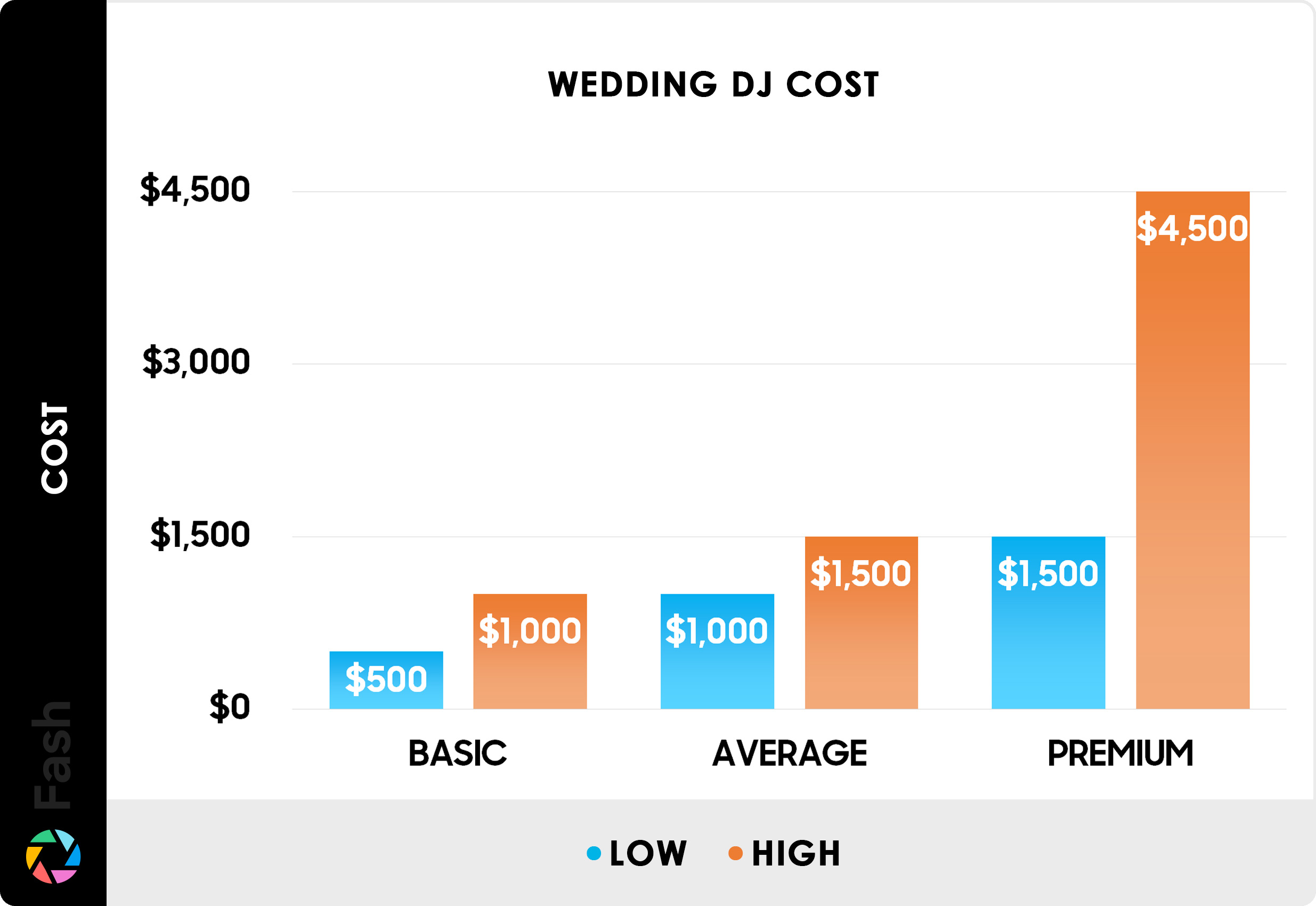
Let's get down to specifics. Here's a breakdown of national average DJ rates based on the number of hours booked, drawing on data from WeddingWire and The Knot. Keep in mind these are averages, and your actual cost will vary based on location, experience, and specific services.
You'll notice many DJs have minimum booking requirements—typically four hours. This is to ensure it’s worth their time to travel and set up. It’s rare to find a DJ who will do a two-hour reception, for example. Always confirm the minimum with any DJ you’re considering.
Here's a look at the typical ranges:
- 3-Hour Package: $800 - $1,200
- 4-Hour Package: $1,000 - $1,600
- 5-Hour Package: $1,200 - $2,000
- 8-Hour Package: $1,800 - $3,000+
2026 Wedding DJ Rates Based on Hours of Service
| Hours | Low End ($) | Average ($) | High End ($) |
|---|---|---|---|
| 3 | 500 | 750 | 1,200 |
| 4 | 700 | 1,000 | 1,500 |
| 5 | 900 | 1,300 | 2,000 |
| 8 | 1,300 | 2,000 | 3,500 |
Illustrative comparison based on the article research brief. Verify current pricing, limits, and product details in the official docs before relying on it.
Location, Location, Location: Regional Price Differences
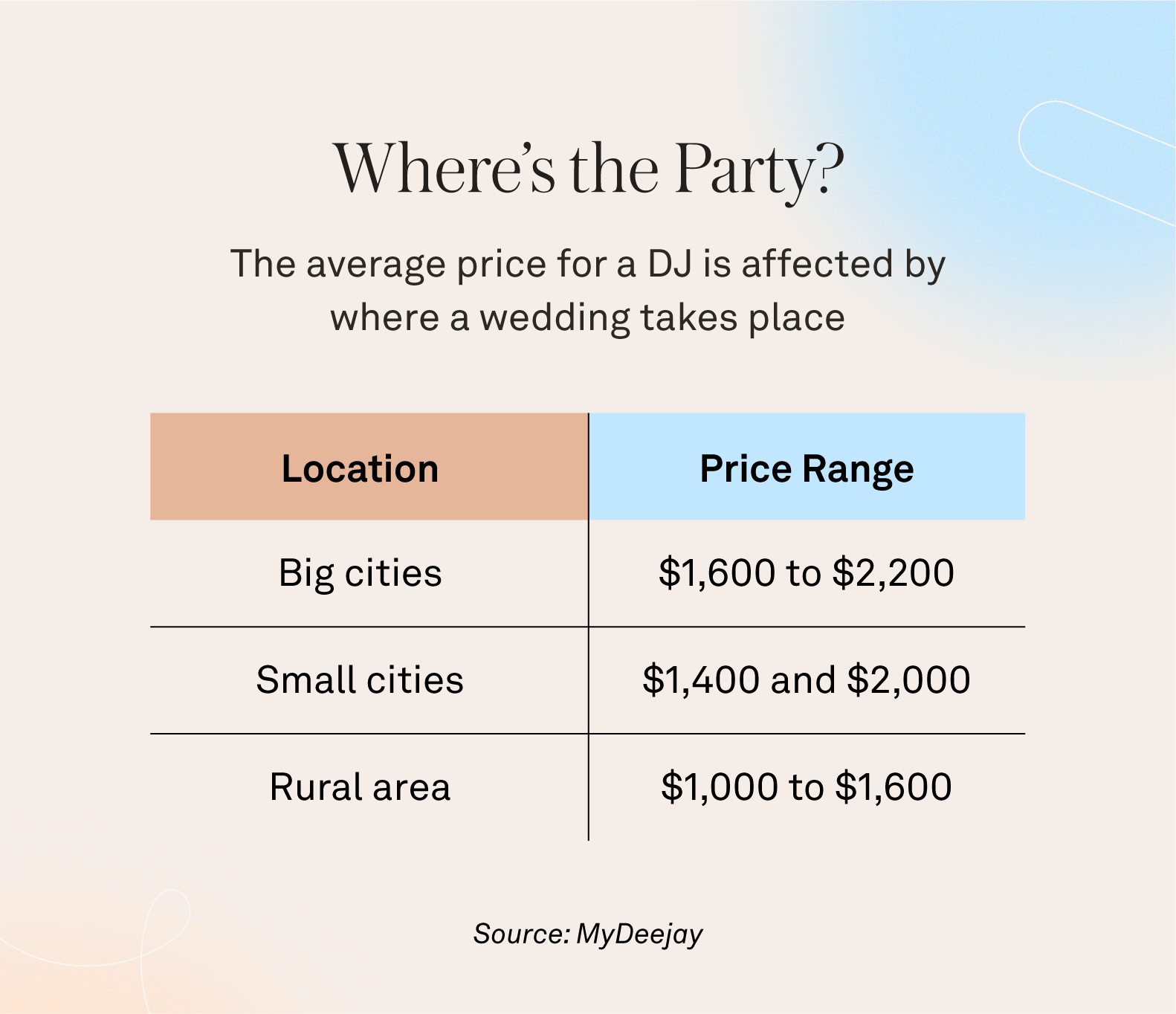
DJ rates aren't uniform across the country. The cost of living and the level of competition significantly impact pricing. Major metropolitan areas naturally have higher rates than rural areas.
For example, DJs in New York City or Los Angeles typically charge 15-25% more than those in smaller cities or rural areas. In the Northeast, you might expect to pay around $2,000 - $3,500 for a 5-hour package. In the Southeast, the same package might run $1,500 - $2,500. The Midwest tends to be more affordable, with rates around $1,200 - $2,000.
The Southwest and West Coast also see higher rates, similar to the Northeast, due to demand and the overall cost of doing business. It’s always best to get quotes from DJs in your specific area to get an accurate idea of local pricing. Don’t be afraid to ask why a DJ’s rate is higher or lower than others you’ve contacted.
What Impacts the Final Bill?
The advertised rate is rarely the final amount you'll pay. Several add-ons and extras can quickly increase the bill. It’s crucial to understand these potential costs upfront to avoid surprises.
Travel fees are common, especially if the DJ is traveling more than a certain distance (often 50-100 miles). Setup and breakdown time is also something to consider. Most DJs need at least an hour for setup and 30-60 minutes for breakdown, and they may charge extra for this time. Lighting packages, beyond basic uplighting, are a frequent add-on.
Sound system upgrades—particularly if you’re having an outdoor reception or a large guest count—can add to the cost. Some couples opt for multiple DJs or musicians (like a DJ and a live saxophonist), which will, of course, increase the price. Be sure to clarify overtime charges in the contract; many DJs charge an hourly rate for events that go beyond the agreed-upon time.
- Ask about: Travel fees (mileage, tolls, accommodation if necessary)
- Clarify: Setup and breakdown time – is it included in the hourly rate?
- Inquire about: Lighting packages and associated costs
- Confirm: Sound system capabilities and upgrade options
- Understand: Overtime charges and the hourly rate
- Review: Any contract stipulations regarding cancellations or changes
DJ Packages: What’s Included?
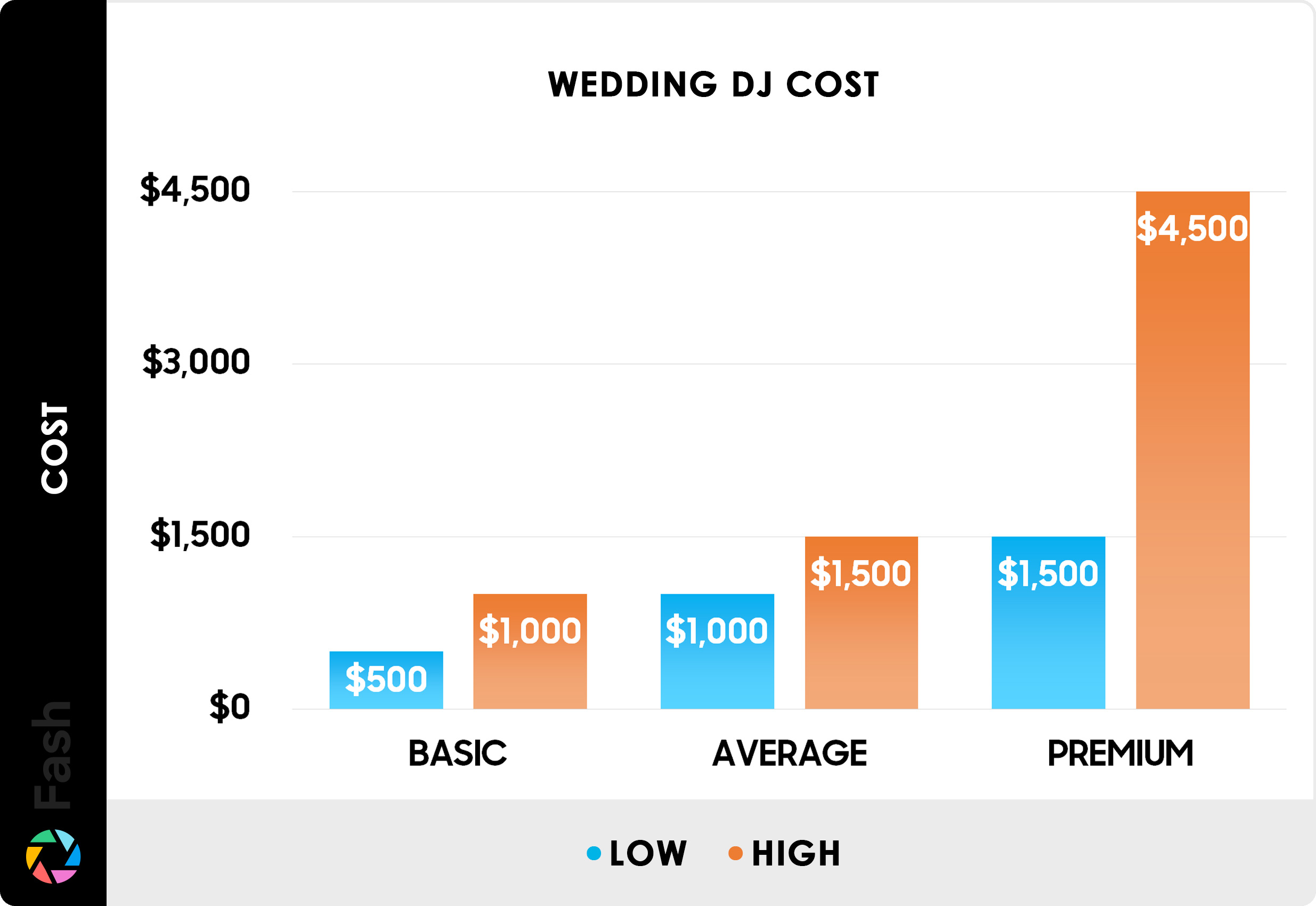
DJs typically offer different packages to cater to varying needs and budgets. These generally fall into three categories: basic, standard, and premium. A basic package usually includes music playback and basic MC services. A standard package might add uplighting and a more detailed consultation. A premium package could include advanced lighting, a photo booth, or a second DJ.
A detailed contract is essential, no matter which package you choose. It should clearly outline the services included, the timeline, payment terms, and cancellation policies. Don't sign anything until you've read it thoroughly and understand all the terms.
There’s also a difference between a DJ who simply plays music and one who actively MCs. An MC will make announcements, introduce speakers, and keep the energy up throughout the reception. Decide if you want someone to take on that role or if you’d prefer to handle announcements yourself.
Live Band vs. DJ: A Cost Comparison
Many couples wrestle with the decision between a DJ and a live band. Cost is a major consideration. Live bands are almost always more expensive than DJs. A four- to five-piece band can easily cost $4,000 - $10,000 or more, depending on their experience and popularity.
However, a band offers a different atmosphere—a live performance can create a unique and energetic vibe. DJs offer more song variety and can seamlessly transition between genres. They're also generally more space-efficient than a full band.
Ultimately, the choice comes down to your personal preferences and budget. If you prioritize a live musical experience and can afford it, a band might be the way to go. If you're looking for affordability and flexibility, a DJ is a great option.
Smart Savings: Negotiating and Cutting Costs
You can save money on a wedding DJ without sacrificing quality. Booking during the off-season (January-March or November) can often result in lower rates. Weekday or Sunday weddings are also typically cheaper than Saturday events.
Consider a shorter reception. If you don't need music for the entire evening, you can reduce the number of hours you book. Being flexible with your date can also give you more negotiating power. Don’t be afraid to ask about discounts for cash payments—some DJs are willing to offer a small reduction.
Another tactic is to prioritize what's most important to you. If you're willing to forgo extras like elaborate lighting, you can save money. Be upfront about your budget with potential DJs and ask if they can create a package that fits your needs. Remember, a skilled DJ will work with you to find a solution that works.
Red Flags: What to Watch Out For
Protecting yourself from a bad experience is vital. Be wary of DJs who don't provide a written contract. A contract protects both you and the DJ and outlines all the details of the agreement.
Unprofessional communication is another red flag—look for DJs who respond promptly and professionally to your inquiries. A lack of online reviews or overwhelmingly negative reviews should raise concerns. Suspiciously low prices are also a warning sign; you often get what you pay for.
Finally, be cautious of DJs who are unwilling to provide references. A reputable DJ should be happy to share contact information for past clients. Always read reviews carefully and trust your gut. If something feels off, it's best to move on.
No comments yet. Be the first to share your thoughts!