
Finding 'The One': A 2026 Reality Check
Wedding dress shopping in 2026 is a bit different than it was even a few years ago. Supply chain disruptions have largely eased, but we’re still seeing a demand for more personalized experiences and a shift away from rigidly traditional styles. Brides are prioritizing dresses that feel authentically them, and timelines are stretching as people take their time with this big decision. It's a good thing, honestly. I think slowing down can lead to a better choice.
Expect to spend more time researching and waiting for appointments. Popular designers book further out, and custom designs need more lead time. Budgeting is key. While beautiful dresses exist at various price points, be realistic about your range. The average cost is climbing, but there are ways to manage it.
The idea of "the one’ can feel overwhelming. Don’t pressure yourself for a dramatic, movie-moment experience. Often, it’s a process of elimination and finding a dress that makes you feel confident and comfortable, not a lightning bolt of inspiration. Try different styles, even ones you wouldn"t normally consider. You might be surprised.
Dress styles may not change drastically, but expect a continued emphasis on dresses that are easy to move and dance in. Comfort is becoming as important as aesthetics.
Budget Breakdown: What Dresses *Actually* Cost
The cost of a wedding dress varies wildly depending on the designer, materials, embellishments, and where you shop. Data from WithJoy.com in 2025 shows the average wedding dress costs around $2,000, but this is a starting point. Lovella Bridal's collections range from $1,500 to over $10,000, while David's Bridal offers options starting at $500.
Designer significantly impacts cost. A simple crepe sheath dress from a lesser-known designer might cost $800-$1,500, while a heavily beaded gown from Berta can exceed $6,000. Materials also play a role. Silk and satin are more expensive than chiffon or polyester blends. Beading, lace, and intricate embroidery add significant cost.
Don’t forget hidden costs. Alterations are almost always necessary and can range from $300 to $800 or more, depending on complexity. Taxes, shipping (if ordered online), and accessories like a veil, shoes, and jewelry can add another $500-$1,000 to your total. People often underestimate these costs, so be prepared.
To save money, consider sample sales, trunk shows, or dresses from previous seasons. David’s Bridal often has sales and promotions. Compromise on certain features – choose a simpler silhouette and add a statement veil or jewelry instead.
- Dress: $800 - $10,000+
- Alterations: $300 - $800+
- Veil: $100 - $500+
- Shoes: $100 - $300+
- Accessories (jewelry, etc.): $200 - $500+
Average Wedding Dress Costs (2026 Estimates)
| Category | Fabric | Embellishment | Alterations | Total Estimated Cost |
|---|---|---|---|---|
| Designer | Silk | Beading | Basic | Between $8,000 - $15,000+ |
| Designer | Lace | Embroidery | Complex | Between $10,000 - $20,000+ |
| Mid-Range | Satin | Plain | Basic | Between $2,000 - $5,000 |
| Mid-Range | Chiffon | Beading | Basic | Between $3,000 - $6,000 |
| Off-the-Rack | Polyester Blend | Plain | Basic | Under $1,500 |
| Designer | Silk | Plain | Complex | Between $12,000 - $25,000+ |
| Mid-Range | Lace | Embroidery | Complex | Between $4,000 - $8,000 |
Illustrative comparison based on the article research brief. Verify current pricing, limits, and product details in the official docs before relying on it.
Silhouette Styles: What Flatters You
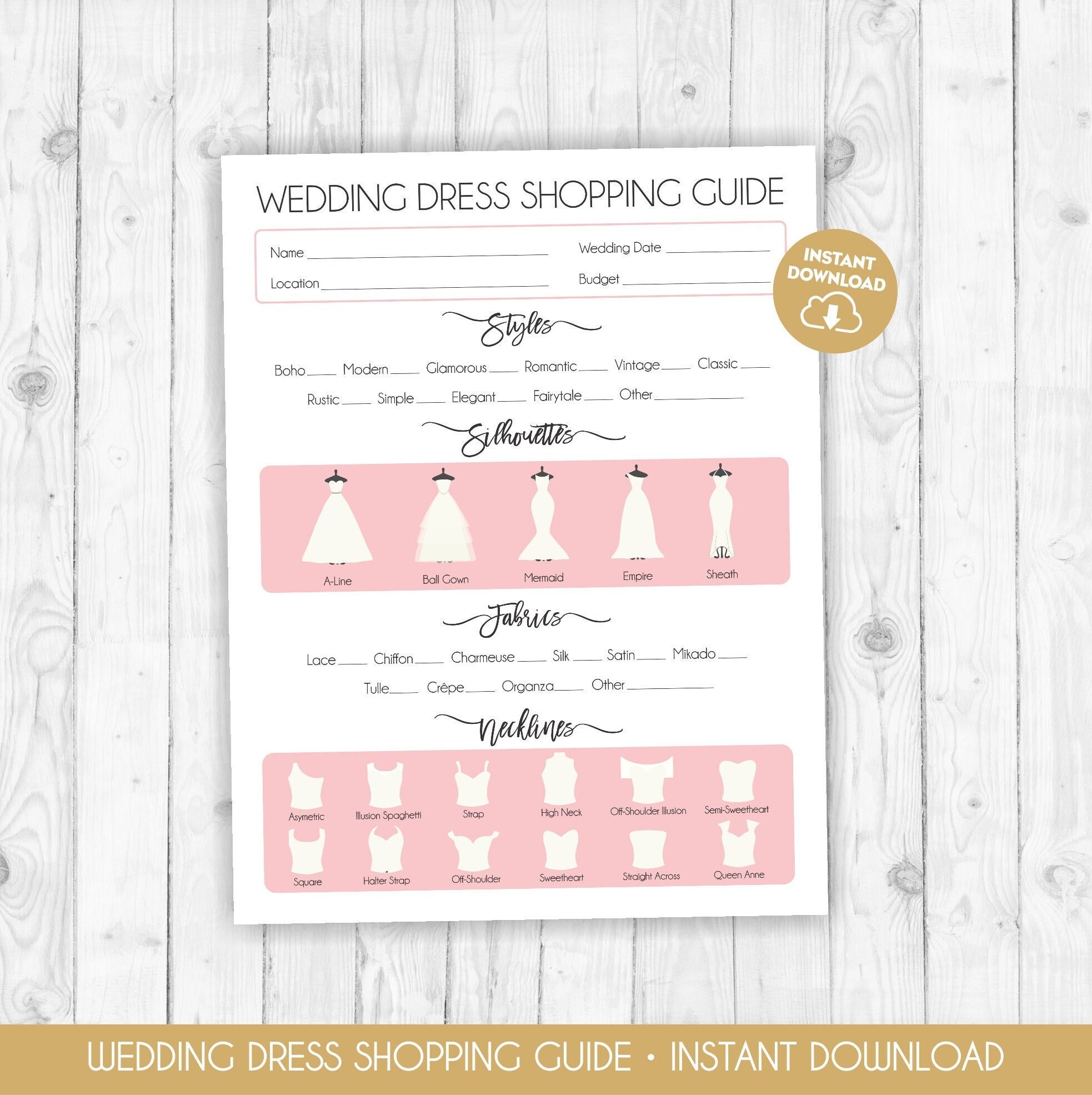
Choosing the right silhouette is crucial, but don't get too caught up in 'rules' about body types. The most important thing is to find a dress that makes you feel amazing. That said, here's a breakdown of common silhouettes and who they generally complement. An A-line dress is universally flattering, cinching at the waist and flowing out gradually. It’s great for almost any body type.
A ballgown is classic and dramatic, with a fitted bodice and a full, voluminous skirt. This style works well for brides who want a fairytale look and balances broader hips. A mermaid or trumpet dress is fitted through the bodice and hips, flaring out dramatically at or below the knees. These styles emphasize curves and are best suited for hourglass or slender figures.
Sheath dresses are sleek and streamlined, following the natural lines of the body. They work well for slender or petite frames. A trumpet silhouette is similar to a mermaid, but the flare starts higher up on the thigh, making it a little more forgiving. Finally, mini dresses are a modern and playful option, perfect for a less formal wedding.
Many brides focus on what they think they should wear, rather than what they love. Try on different styles, even if they’re outside your comfort zone. You might be surprised.
What's Your Wedding Dress Silhouette?
Finding the perfect wedding dress starts with understanding which silhouettes best complement your body and personal style. This quick quiz will help narrow down your options and point you towards gowns that will make you feel confident and beautiful on your big day. Answer honestly to get personalized recommendations!
Fabric & Details: Beyond White and Lace
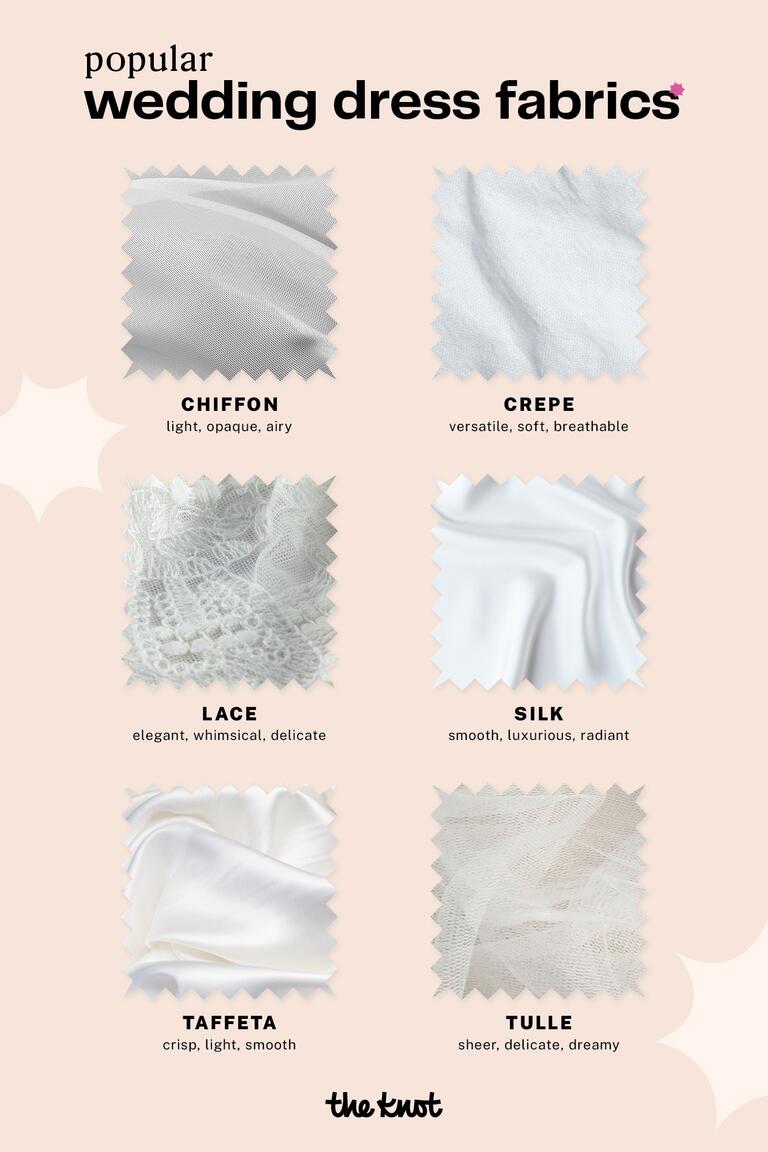
The fabric of your dress can dramatically impact its look and feel. Silk is luxurious and drapes beautifully, but it’s also one of the most expensive options. Satin has a smooth, shiny finish and is a classic choice. Chiffon is lightweight and flowing, perfect for a bohemian or beach wedding. Tulle is sheer and airy, often used for skirts and veils. Crepe has a matte finish and a modern, minimalist look.
Embellishments can add personality and flair. Beading adds sparkle and glamour, while embroidery can create intricate designs. Appliques are sewn-on embellishments that can add texture and dimension. Keep in mind that more embellishments generally mean a higher price tag. It’s amazing how many options there are now!
Don't feel limited to traditional white. Ivory is a popular alternative that complements a wide range of skin tones. Champagne adds a subtle warmth, while blush is romantic and feminine. And increasingly, brides are opting for bolder colors like gold, silver, or even pastels. It’s your wedding – wear what makes you happy.
undefined structure, while a lighter fabric will be more flowy. Consider the season and the venue when choosing your fabric. A heavy satin dress might be too warm for a summer beach wedding.
The Appointment: Prep & Etiquette
Booking appointments is the first step. Call ahead to schedule, especially at popular boutiques. Be prepared to pay a fee for some appointments, which may be applied towards a purchase. When you go, wear comfortable shoes – you’ll be on your feet for a while! Minimal makeup is also a good idea, as you don’t want to stain the dresses. I always recommend wearing nude undergarments.
Limit your group to two or three trusted friends or family members. Too many opinions can be overwhelming. Be honest with the consultant about your budget and your vision for your dress. They are there to help you find the perfect gown, but they can’t read your mind.
Bridal shop etiquette is important. Be on time for your appointment and be respectful of the dresses. Avoid touching the dresses unnecessarily, and don’t wear perfume or lotion that could stain them. Be honest with the consultant about what you like and don’t like.
I always recommend bringing photos of dresses you like, even if you're not sure what you want. It gives the consultant a better idea of your style and preferences. Don't be afraid to ask questions and take your time making a decision.
- Schedule appointments in advance.
- Wear comfortable shoes.
- Limit your group.
- Be honest with the consultant.
Alterations: The Final Polish
Alterations are almost always necessary to ensure a perfect fit. Common alterations include hemming the dress, taking in or letting out the sides, adjusting the straps, and adding a bustle. Finding a skilled seamstress is crucial. Ask the bridal shop for recommendations or search online for local tailors with good reviews.
The alteration process typically involves multiple fittings. The first fitting is to mark the areas that need adjustment. The seamstress will then make the initial changes, and you'll return for a second fitting to check the fit. Additional fittings may be needed to fine-tune the alterations. I’ve seen alterations take longer than expected, so planning is crucial.
Be realistic about alteration costs. Simple alterations like hemming might cost $200-$300, while more complex alterations like reshaping the bodice can cost $500 or more. Get a quote from the seamstress before committing to the alterations.
Don’t wait until the last minute to schedule alterations. Allow at least six to eight weeks for the alteration process, especially if you need significant changes. It’s better to have a little extra time than to be stressed out right before the wedding.
Shopping Online: Risks and Rewards
Buying a wedding dress online can be tempting, especially with the promise of lower prices and a wider selection. However, it also comes with risks. Fit is the biggest concern – it’s difficult to know how a dress will fit without trying it on. Quality can also be an issue, as you can’t always assess the materials and construction from photos.
Return policies are crucial when shopping online. Make sure the retailer has a clear and generous return policy in case the dress doesn’t fit or you’re not satisfied. Shipping costs can also add up, and you may be responsible for return shipping fees. I'm a little hesitant to recommend online shopping for a wedding dress unless you're very confident in your size and the retailer's return policy.
If you do decide to shop online, choose a reputable retailer with good customer reviews. Read the product descriptions carefully and pay attention to the size chart. Consider ordering a sample size to try on before ordering the actual dress. Be prepared to pay for alterations, even if you order a custom size.
Some websites offer virtual try-on tools, which can help you visualize how the dress might look on your body. However, these tools are not always accurate, so don’t rely on them completely.
Preservation & Aftercare: Keeping It Beautiful
Preserving your wedding dress is a wonderful way to cherish your special day for years to come. Professional cleaning and preservation is the best option. A professional cleaner will carefully clean the dress and remove any stains, then package it in an acid-free box to prevent yellowing and damage. It’s easy to forget about preservation in the excitement after the wedding, but it’s worth the effort.
If you choose to DIY, be sure to follow the instructions carefully. Avoid using harsh chemicals or cleaning products. Store the dress in a cool, dry, dark place, away from direct sunlight and moisture. Use an acid-free garment bag to protect it from dust and insects.
Regularly inspect your dress for any signs of damage, such as yellowing, staining, or mildew. If you notice any problems, take it to a professional cleaner as soon as possible. Proper storage and care will help keep your dress beautiful for generations to come.
Consider the fabric when choosing a preservation method. Delicate fabrics like silk and lace require special care. It’s always best to consult with a professional cleaner before attempting to clean or preserve your dress yourself.
No comments yet. Be the first to share your thoughts!