

How much does a wedding cost today
The average American wedding cost $36,000 in 2026, a figure that serves as the baseline for most budgeting conversations Fidelity. While this number provides a national snapshot, actual spending varies significantly based on location, guest count, and vendor choices. Understanding this starting point helps couples distinguish between essential expenses and optional upgrades.
The reception venue and catering remain the two largest line items, collectively accounting for more than 40% of the total budget. Industry data from Zola indicates that the average venue rental runs $8,573, while catering averages $6,927 Zola. These costs are driven by per-person pricing and facility fees, making guest list management the most effective lever for controlling overall spend.
To help you estimate your specific situation, use the calculator below. Adjust the guest count and per-person catering cost to see how these primary expenses scale. This tool provides a rough estimate based on the current national averages for venue and catering only.
Calculate your total wedding costs
Your total wedding budget is the sum of fixed venue fees, per-guest expenses, and vendor retainers. Use this tool to model different scenarios based on your guest count and location. The Knot’s real-world data suggests venue and rentals typically consume 29% of the budget, while food, cake, and drinks account for 24%.[1]
Adjust the inputs below to see how changing your guest list or bar style impacts the bottom line. This calculator provides a baseline estimate; actual quotes from local vendors will vary based on season and specific service requirements.
DJ Rates and Entertainment Expenses
Hiring a professional DJ is often the most visible part of your wedding entertainment, but the cost structure can be confusing. Most couples budget between $1,000 and $2,500 for a standard four-hour reception, but this baseline rarely tells the whole story. The final price depends heavily on your location, the time of year, and the specific services you require beyond just playing music.
To help you visualize where your money goes, we’ve broken down three common package tiers. These options range from a basic playlist service to a full-service entertainment experience with lighting and emcee duties.
Hidden Fees and Overtime Costs
The quoted package price is rarely the final invoice. DJs typically work in hourly blocks, and overtime fees kick in immediately after your contracted time ends. These late-night rates often jump to $150–$250 per hour, so it’s wise to build a buffer into your timeline. Additionally, many vendors charge a travel fee if you are outside their standard service radius, usually calculated per mile or as a flat zone fee.
Equipment requirements also play a role in the final cost. If your venue has strict noise ordinances or requires specific insurance certificates, these administrative tasks may incur extra charges. Always ask for a detailed line item list to avoid surprises on payment day.

Calculate Your Total DJ Cost
Use the calculator below to estimate your total entertainment budget based on your preferred package tier, expected hours, and any add-ons like lighting or travel fees. Adjust the inputs to match your specific vendor quotes.
How much does an open bar cost?
An open bar is often the most expensive line item in a wedding budget, typically consuming 10% to 15% of the total spend. The final price depends heavily on your guest count, the duration of service, and the tier of alcohol you select. Understanding the per-head cost structure helps you decide which option aligns with your budget without sacrificing guest experience.
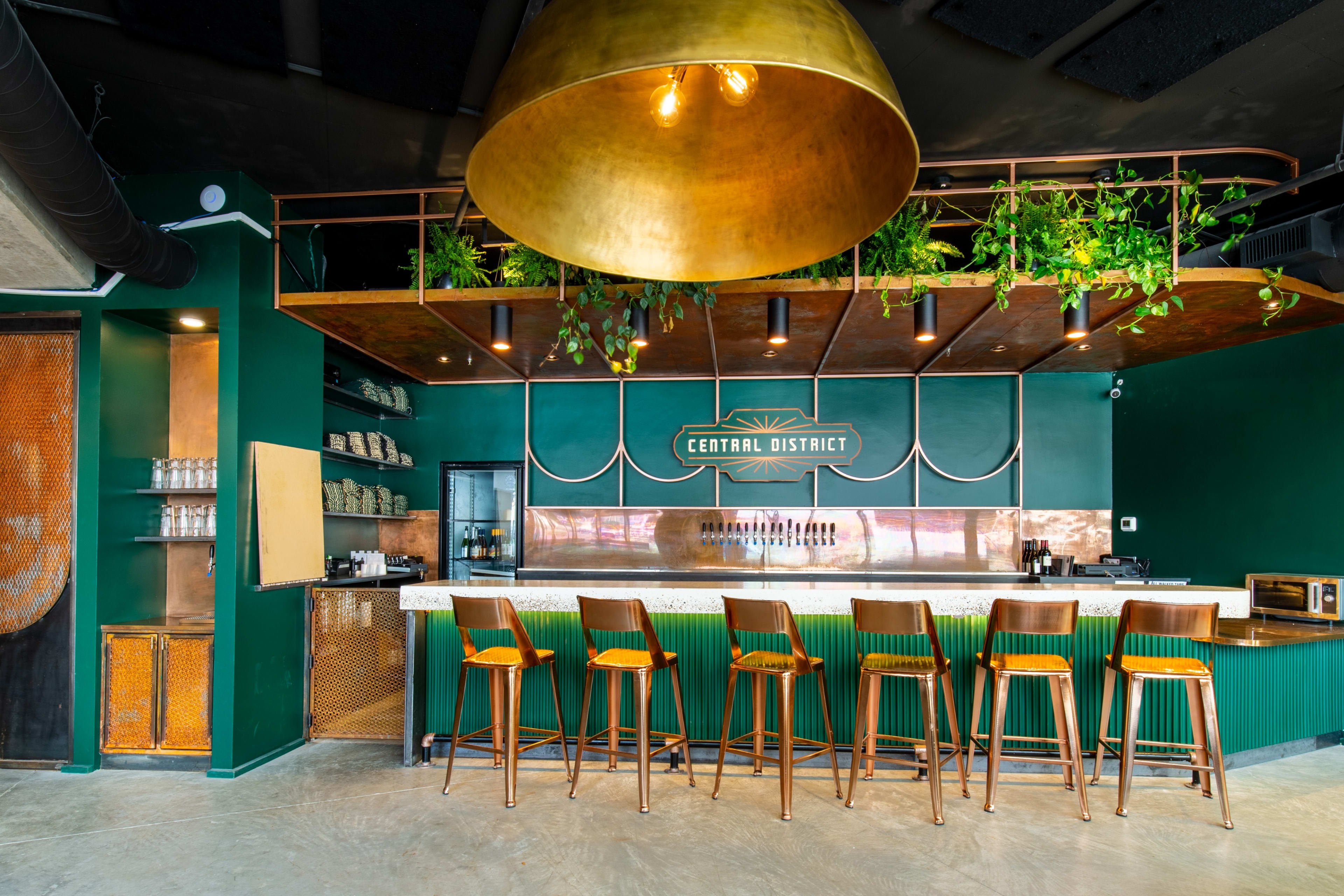
Open Bar Tiers and Average Costs
Most venues and caterers categorize bar service into three main tiers. A Limited Bar includes domestic beer, house wine, and a few well spirits. A Premium Bar adds craft beers, imported wines, and top-shelf liquors. A Cash Bar shifts the cost to guests for anything beyond a welcome drink or water, which can significantly reduce your upfront expenses.
| Bar Type | Average Cost Per Head | Includes |
|---|---|---|
| Limited | $35 – $55 | Domestic beer, house wine, well drinks |
| Premium | $60 – $90 | Craft beer, imported wine, premium spirits |
| Cash Bar | $5 – $15 | Welcome drink, water, soda |
Calculate Your Total Bar Tab
Use the calculator below to estimate your total open bar expense. Enter your guest count and select your preferred bar tier to see the projected cost. Remember to add a 15-20% tip and service charge if your venue requires it.
Hidden Fees to Watch For
Beyond the per-head price, vendors often add service charges and taxes. A standard service charge ranges from 18% to 22%, which may or may not go to the bartenders. Additionally, some venues charge a corkage fee if you bring your own alcohol, or a rental fee for glassware and bartending equipment. Always ask for a detailed breakdown of these add-ons before signing your contract.
Hidden fees and vendor add-ons
Use this section to make the Wedding Costs Breakdown decision easier to compare in real life, not just on paper. Start with the reader's actual constraint, then separate must-have requirements from details that are merely nice to have. A practical choice should survive normal use, maintenance, timing, and budget. If a recommendation only works in an ideal situation, call that out plainly and give the reader a fallback path.
The simplest way to use this section is to write down the must-have criteria first, then compare each option against those criteria before weighing nice-to-have features.
Finalize your wedding budget checklist
Before signing vendor contracts, verify that every line item reflects your actual priorities. Most couples overspend in two areas: open bar and venue rentals. Use the calculator below to lock in your total, then run through this checklist to catch hidden fees.
1. Verify per-guest pricing tiers
Venue and catering costs often drop as guest counts rise. Confirm if your quote includes a 10% contingency for unexpected attendees. If you exceed your headcount, the overage rate is usually 20–25% higher than your base per-guest price.
2. Audit open bar service hours
Open bar is the fastest way to blow a budget. Most venues charge by the hour, not per drink. Limit service to three hours (cocktail hour, dinner, and dancing) and switch to beer and wine only for the final hour. This simple shift can save $1,500 or more on a 100-person wedding.
3. Check for "service charges" vs. taxes
Many venues add a 20–25% service charge that is not a tip but goes directly to the vendor. Clarify if this covers staff, linens, and chairs. If it does, you may not need to pay separate gratuities to individual vendors like bartenders or servers.
4. Confirm rental item exclusions
Your venue fee rarely includes everything. Ask specifically about linens, chairs, tables, and dance floors. If these are excluded, budget an additional $15–$30 per guest for rentals. A 100-person wedding could see $1,500–$3,000 in unexpected rental fees.
5. Lock in overtime penalties
If your reception runs late, DJs and venues charge steep overtime rates. Most vendors charge $150–$300 per hour for overtime. Build this into your contingency fund so you aren’t surprised if the party extends past the contracted time.
Common wedding cost: what to check next
Wedding budgeting often feels like navigating a maze of hidden fees and variable rates. Whether you are deciding between a DJ and a band, or trying to understand why your open bar estimate keeps climbing, concrete numbers help remove the guesswork.
Below, we answer the most frequent questions about DJ overtime, bar alternatives, and unexpected vendor charges.
No comments yet. Be the first to share your thoughts!