

Set your total wedding budget first
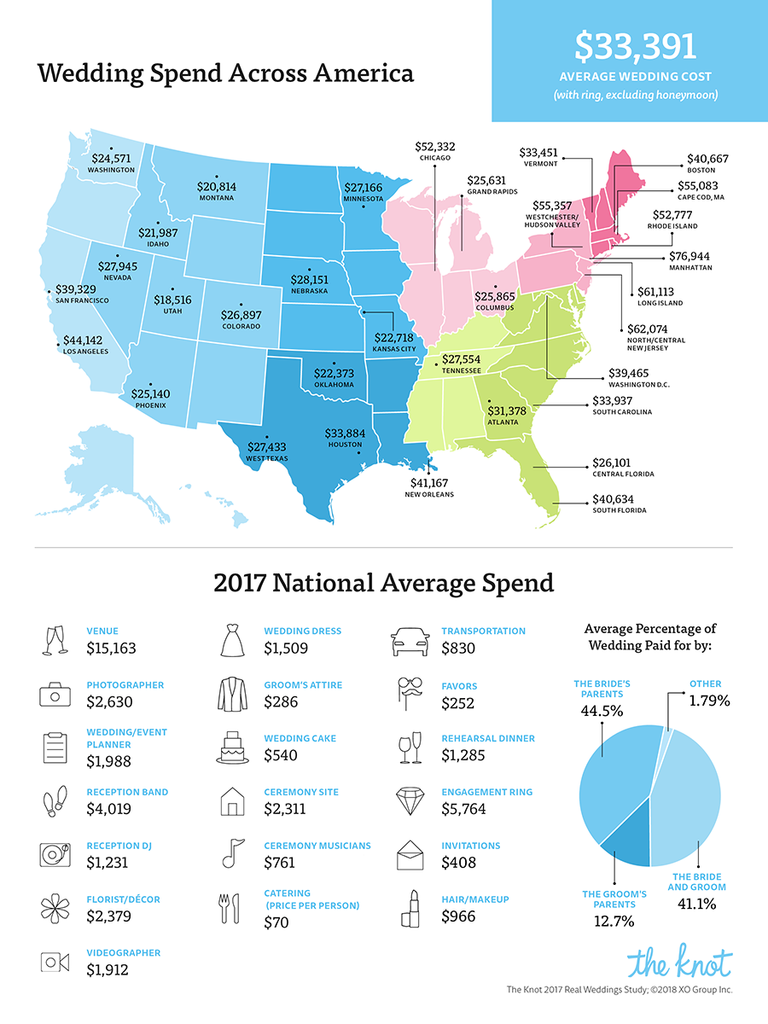
Before you look at DJ rates or open bar packages, you need a hard number for your total Wedding Costs 2026. National averages provide a useful starting point, but they can also mislead if you treat them as a ceiling. The Knot’s 2026 Real Weddings Study pegs the overall average at $34,200, while other industry trackers place the range between $34,000 and $36,000. However, the median cost sits much lower, around $18,000, reflecting the reality that many couples marry with significantly less spend.
Relying on the average alone is risky because it often includes high-cost elements like large guest lists, premium venues, or elaborate decor that may not apply to your situation. Instead, anchor your budget to what you can realistically afford. This means looking at your savings, monthly disposable income, and any family contributions before assigning dollars to specific line items.
Start with a blank spreadsheet or a dedicated budgeting tool. List your total available funds, then subtract fixed costs like housing, debt payments, and emergency savings. What remains is your true wedding budget. From there, you can allocate percentages to categories like catering, attire, and entertainment. This top-down approach prevents the common mistake of falling in love with a venue or vendor before knowing if it fits your financial reality.
Add up personal savings, joint accounts, and any confirmed family contributions. Subtract essential monthly expenses to find your discretionary spending limit.
Distribute your total budget across key areas like venue, catering, photography, and attire. Leave a 10–15% contingency fund for unexpected costs.
Once your total budget is set, look at average DJ rates and open bar costs in your area. This helps you determine which categories you can afford to splurge on and which need to be trimmed.
Calculate DJ rates and entertainment costs
Hiring a DJ is one of the most variable line items in your 2026 wedding budget. Unlike a fixed venue rental, entertainment costs shift based on location, season, and the specific services you require. To avoid underestimating this vendor, you need to break down the hourly rate, equipment fees, and potential overtime charges before signing a contract.
Start by establishing the base hourly rate. Most professional DJs charge between $800 and $1,500 for a standard five-to-six-hour reception package. This rate typically includes the DJ’s time, music coordination, and basic sound equipment. However, prices can spike significantly for peak wedding seasons (May through October) or major metropolitan areas. Always confirm whether the quoted rate includes travel fees, especially if your venue is outside the DJ’s standard service area.
Next, determine if the DJ provides their own sound system and lighting. Many couples assume the hourly rate covers all gear, but some vendors charge extra for high-quality speakers, mixers, or ambient lighting packages. If the DJ does not provide equipment, you will need to factor in rental costs from a third-party vendor, which can add $500 to $1,000 to your total entertainment budget. Ask for a detailed equipment list in the contract to avoid surprise invoices.
Finally, account for overtime fees. Weddings often run longer than planned, especially if the reception includes multiple toasts, first dances, or extended cocktail hours. Most DJs charge an overtime rate of $100 to $200 per hour after the contracted time ends. Set a clear end time in your agreement and discuss how overtime will be authorized and billed to keep costs predictable.
Estimate open bar expenses accurately
Your open bar is often the single most variable line item in your Wedding Costs 2026 budget. Because it scales directly with guest count and consumption habits, a rough guess can easily blow your budget. Instead, use a tiered calculation to get a realistic number before you sign contracts.
Start by choosing your service tier. Most venues and caterers offer three standard options:
- Beer and Wine Only: The most affordable option. Guests typically drink 2–3 drinks per hour.
- Standard Open Bar: Includes beer, wine, and well drinks (house brands). Expect 3–4 drinks per hour.
- Premium Open Bar: Includes top-shelf liquor and craft cocktails. Expect 4–5 drinks per hour.
Next, calculate the total drink volume. Multiply your guest count by the average drinks per hour, then multiply by the number of hours the bar is open. For example, 100 guests drinking for 4 hours at 3 drinks/hour equals 1,200 total drinks.
Finally, apply the per-drink cost. Caterers usually charge a flat rate per drink or a per-case rate for beer and wine. Add a 15–20% service charge and sales tax to this subtotal. This final figure is your baseline estimate. Always add a 10% buffer for unexpected consumption spikes.
Review venue and catering minimums
Before locking in a DJ or calculating open bar tabs, you need to anchor your budget to the two largest fixed costs: the venue and the food. In 2026, these line items often dictate the structure of your entire Wedding Costs 2026 plan because they are non-negotiable baseline expenses. Once you know what the space and the plates cost, the remaining budget for entertainment and drinks becomes a clear, manageable figure rather than a guessing game.
Venue Rental Costs
The venue is typically the single largest expense in a wedding budget. According to Zola’s 2026 data, the national average for venue rental is $8,573. This figure usually covers the space itself, basic tables and chairs, and sometimes a coordinator’s day-of oversight. However, rental fees vary wildly based on location, day of the week, and season. A mid-week winter wedding in a community center will cost a fraction of a Saturday summer event at a historic estate. Always ask if the rental fee is a flat rate or if it scales with your guest count, as this can significantly impact your final total.
Catering and Food Costs
Catering is the second biggest expense, averaging $6,927 nationally for 2026. Unlike venue rentals, catering costs are almost always driven by headcount. You will typically choose between a plated dinner, a buffet, or food stations, each with different price points. Plated dinners are generally the most expensive due to the labor required for service, while buffets offer more flexibility and often lower costs. Be sure to ask about "service charges" and "gratuity," which are often added on top of the per-person food cost and can increase your bill by 20-25%.
How These Costs Shape Your Budget
Understanding these two fixed costs is critical because they determine your "discretionary" budget. If your venue and catering come in at $15,500, and your total budget is $34,200 (the national average per The Knot’s 2026 Real Weddings Study), you have roughly $18,700 left for everything else: photography, music, attire, and open bar. If your venue and catering are higher, you must trim costs elsewhere. This is where many couples lose control of their budget; they fall in love with a venue that eats 40% of the total, leaving insufficient funds for a quality DJ or a proper open bar, forcing them to compromise on guest experience later.
Avoid common budgeting mistakes
Most couples hit their budget ceiling not on the big items, but on the line items they forgot to list. When you plan your Wedding Costs 2026, treat the venue quote and DJ rate as just the starting point. The real financial shock usually comes from the mandatory add-ons that vendors tack on after the contract is signed.
Underestimating taxes and service charges
Vendor invoices rarely show the final number until the end of the night. Most DJs and venues add a service charge of 15–20% on top of their base rate. This is not a tip; it is a fee the vendor keeps to cover labor and overhead. On top of that, sales tax applies to the total bill, including food and beverage.
If your DJ quotes $1,200, do not budget $1,200. Add 20% for service and your local sales tax rate (often 7–10%). This single adjustment can add $300–$400 to your final tab. Always ask vendors to provide a "fully loaded" estimate that includes all mandatory fees before you sign.
Ignoring hidden vendor fees
Beyond taxes, vendors have a laundry list of small fees that add up quickly. Common examples include:
- Overtime charges: If your reception runs 30 minutes late, expect to pay $50–$100 per hour.
- Travel fees: DJs may charge for mileage if your venue is outside their standard service area.
- Equipment rental: Some DJs charge extra for uplighting, fog machines, or extra speakers.
- Venue minimums: Many locations require a food and beverage minimum, even if you bring your own alcohol.
These fees are often buried in the fine print. Ask for a full breakdown of all potential additional costs during your initial consultation.
Forgetting to budget for tips
Tipping is customary in the wedding industry, yet it is often the last thing on couples’ minds. DJs, bartenders, and servers expect gratuity. If you do not include tips in your budget, you will be scrambling to find cash on the wedding day.
A safe rule of thumb is to budget 15–20% of your total vendor cost for tips. For a DJ, a flat tip of $100–$200 is standard. For bartenders, $20–$50 per bartender for the night is typical. Write these amounts into your budget spreadsheet now, so they do not become a surprise at checkout.
Finalize your wedding cost checklist
You have the quotes for the DJ and open bar, and the venue contract is signed. Now you need to lock in the numbers before the final payments come due. The average wedding cost in the United States for 2026 sits between $34,000 and $36,000, so every line item matters as you approach the finish line [[src-serp-3]].
Use this checklist to ensure no hidden fees slip through the cracks. Cross-reference every vendor invoice against your initial estimates, specifically checking for overtime rates for the DJ and per-head costs for the open bar.
-
Confirm final guest count with the venue 14 days out.
-
Verify the DJ’s equipment list and setup time in the contract.
-
Review the open bar package for hourly vs. consumption pricing.
-
Check for service charges and gratuities on all vendor invoices.
-
Settle remaining balances according to payment schedules.
Staying organized now prevents last-minute surprises. If you notice discrepancies between your budget and actual quotes, adjust your other categories—like flowers or photography—before making final payments.
Frequently asked questions about wedding costs
How much does a DJ cost for a wedding in 2026? Professional wedding DJs typically charge between $1,200 and $2,500 for a standard four-to-six-hour reception. This fee usually includes sound equipment, lighting, and initial planning consultations. Rates may increase for destination weddings, extremely short notice bookings, or specialized requests like live instrumentation integration.
What is the average open bar cost per person? Open bar expenses generally range from $40 to $70 per guest, depending on the level of service and alcohol selection. A premium open bar with top-shelf liquor and craft cocktails can push costs toward the $80–$100 per person mark. Many couples opt for a limited bar with beer, wine, and a signature cocktail to reduce these expenses while keeping guests happy.
What are the median versus average wedding costs in 2026? The average wedding cost in the United States sits between $34,000 and $36,000, while the median cost is closer to $18,000. The gap exists because high-end weddings with large guest counts skew the average upward. Understanding this difference helps set realistic expectations, as most couples spend significantly less than the national average.
How much should I budget for venue and catering? Venues and catering are usually the largest line items, accounting for nearly half of the total budget. National averages place venue rentals around $8,573 and catering at $6,927. These figures vary widely by location, with urban centers often costing 20–30% more than rural or suburban areas.
Can I reduce DJ and bar costs without sacrificing quality? Yes. Hiring a DJ for a shorter duration, such as just the reception instead of the ceremony and cocktail hour, saves money. For the bar, offering a cash bar for liquor while providing free beer and wine is a popular cost-saving strategy. Booking vendors during off-peak seasons like winter or weekdays can also yield significant discounts.
No comments yet. Be the first to share your thoughts!