

Get wedding costs right
Before you book a venue or sign a contract, you need a clear picture of where your money is actually going. Most couples start with a vague total, but a precise budget prevents expensive surprises later. The goal is to allocate funds based on what matters most to you, not just the industry standard.
Start by setting a hard cap. This is the maximum amount you can spend without going into debt. Once that number is fixed, break it down into categories. The Knot’s real wedding data suggests a typical breakdown: 29% for venue and rentals, 24% for catering and drinks, and 10% for photography. These percentages are a starting point, not a rule. If you value food over flowers, shift the numbers accordingly.
Next, account for the "hidden" costs that often derail budgets. These include service charges, taxes, tips, and rental fees for chairs or linens. A common mistake is budgeting only for the vendor’s base price. For example, a DJ might quote $1,500, but with travel fees and overtime rates, the final bill could be $1,800. Add a 10-15% contingency fund to your total to cover these inevitable extras.
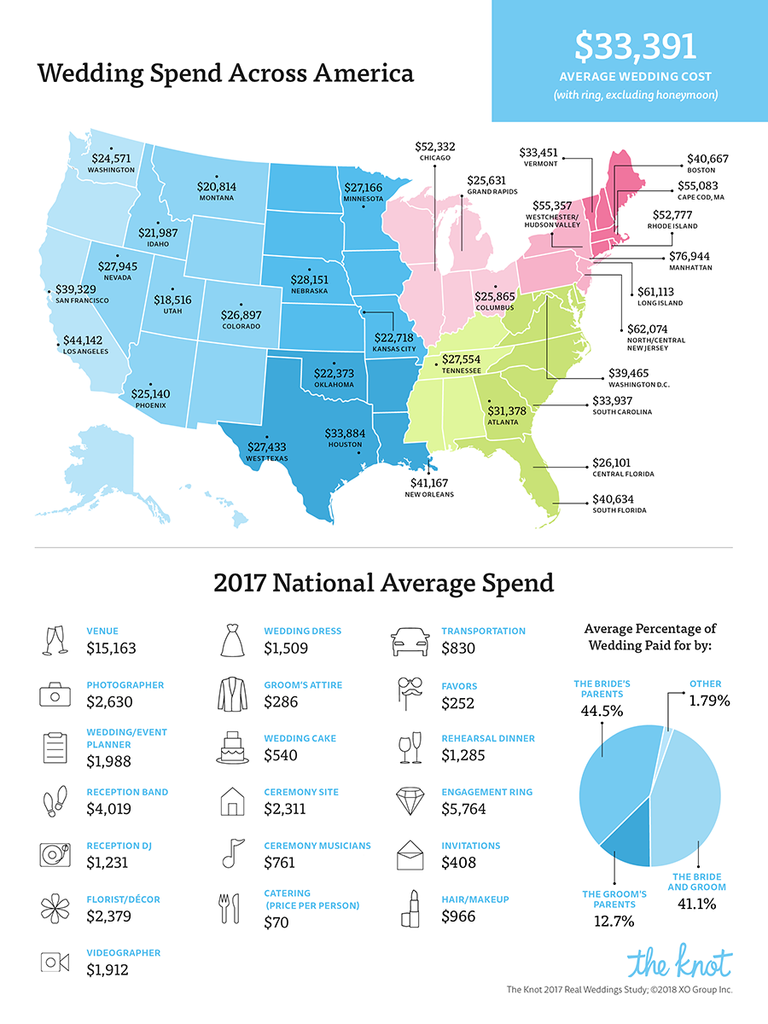
Finally, use a local cost estimator to ground your numbers in reality. National averages often ignore regional price differences. A wedding in a major metro area will cost significantly more than one in a rural town. Adjust your category allocations based on local vendor rates in your specific zip code. This step ensures your budget is realistic, not just theoretical.
Work through the steps
Start by anchoring your wedding budget to real local data rather than national averages. The Knot’s 2025 data shows venue and rentals typically consume 29% of the total, while catering, cake, and drinks take 24%. These percentages shift based on your zip code, so begin by estimating your local costs before assigning specific line items like DJ rates or open bar expenses.
1. Lock in your venue and catering numbers
The venue is your largest fixed cost. Once you have a signed contract, note the rental fee, which often excludes taxes, service charges, and overtime. Next, determine your catering cost per plate. This figure usually includes the cake and basic non-alcoholic beverages. If you are planning an open bar, add that as a separate line item immediately, as alcohol costs can easily derail a budget if left uncalculated.
2. Assign percentages to remaining categories
With your venue and food costs set, allocate the remaining 47% of your budget to the other essentials. Photography and videography typically run 10%, while floral design and decor account for another 10%. Set aside 8-10% for music, such as a DJ or band, and 5-7% for attire and beauty. This percentage-based approach ensures you don’t overspend on one category, like flowers, while underfunding another, like photography.
3. Add the hidden and miscellaneous costs
Most couples forget the "small" expenses that add up. Include a 10-15% contingency fund for unexpected fees, such as venue overtime or last-minute guest additions. Budget for marriage licenses, officiant fees, and transportation between venues. Don’t forget to include tips for vendors, which are often separate from the quoted price and should be paid in cash on the day of the wedding.
4. Track every expense in real time
Use a spreadsheet or a dedicated wedding budget tool to log every quote and payment as it happens. Compare your actual spend against your initial estimates. If you find yourself over budget in one category, adjust another. For example, if DJ rates are higher than expected, reduce the floral budget or switch to a simpler cake design. Staying flexible is the only way to keep the total cost under control.
-
Get signed venue contract and rental fee total
-
Confirm catering cost per plate including cake
-
Get written DJ rates and overtime policies
-
Calculate open bar cost per guest
-
Add 15% contingency fund for hidden fees
-
Log all payments in a shared spreadsheet
Common Wedding Budget Mistakes
Couples often blow past their limits not because weddings are expensive, but because they miss the hidden costs built into the day. A realistic budget starts with local data, not national averages. The Knot’s 2024 data shows the average U.S. wedding costs $30,000, but local spend varies wildly by zip code. Using a generic estimator without adjusting for your region is the first step toward overspending.
Underestimating Venue and Rental Fees
The venue is usually the biggest line item, but it’s rarely just the rental fee. Couples forget to budget for tables, chairs, linens, and lighting, which can add thousands if not included in the package. Always ask vendors for a full equipment list. If the venue doesn’t provide chairs, you’ll need a rental company, and those costs stack up fast.
Skipping the Alcohol Surcharge
Open bar sounds like a perk, but it’s a budget black hole. Many venues charge a per-person headcount minimum for alcohol, even if guests drink little. Others add a 20-25% service charge on the total bar tab. If you’re hosting a four-hour open bar, you might end up paying for drinks your guests never touch. Consider a limited bar—beer, wine, and one signature cocktail—to cut costs without sacrificing hospitality.
Ignoring Taxes and Gratuities
Your final bill is almost always higher than the quoted price. Vendors often exclude sales tax, service charges, and gratuities from their initial estimates. A $5,000 catering quote can easily become $6,500 once taxes and staff tips are added. Ask every vendor for their "out-the-door" price, including all fees, before signing any contracts. This small step prevents surprise invoices on your wedding day.
Wedding costs: common: what to check next
Most couples worry about hidden fees and budget overruns before signing contracts. Understanding where the money actually goes helps you prioritize what matters and cut costs without sacrificing the experience.
No comments yet. Be the first to share your thoughts!