Where wedding costs actually go
The national average wedding cost sits between $30,000 and $36,000, though this baseline varies significantly by region and guest count. To build a realistic budget, it helps to understand where the majority of that money disappears. For most couples, the reception venue and catering are the two largest expense categories, collectively consuming more than 40% of the total budget.
This means that for a $35,000 wedding, roughly $14,000 or more goes toward the space and the food. These are fixed costs that are difficult to cut without drastically changing the scale of the event. Understanding this split early on allows you to prioritize what matters most—whether that’s a specific venue location or higher-quality food and beverage options.
Once you account for the venue and catering, the remaining budget is split among secondary vendors like DJs, photographers, and decorations. This is where hidden fees and variable costs like open bar packages often creep in. Keeping the venue and catering percentages in mind helps you allocate the remaining funds more accurately to other line items without overspending.
Calculate your total wedding budget
Start with the national baseline: the average wedding costs about $284 per guest in 2026. This figure includes venue, catering, and essential services, but it rarely reflects your specific priorities. To get a realistic number, you need to adjust for your guest count and local market tier.
Use the calculator below to build your estimate. Enter your expected headcount, select your region tier, and toggle specific vendors like your DJ or open bar options. The tool applies current average rates to give you a personalized cost projection.
This estimate helps you allocate funds early. If the total exceeds your comfort zone, try reducing the guest count first, as that has the highest impact on the per-guest line items like catering and rentals.
DJ rates and entertainment pricing
Hiring a DJ is often the most visible part of your entertainment budget, but the final bill usually looks different from the headline quote. In 2026, the national average for a professional wedding DJ sits between $1,200 and $2,500. This base rate typically covers four to six hours of performance, basic sound equipment, and a standard wireless microphone. Anything beyond these core elements will appear as separate line items on your invoice.
The biggest budget shock for couples is usually overtime. Most DJs charge a flat hourly rate for extra time, typically ranging from $150 to $250 per hour after the contracted period ends. If your reception runs late or you want to extend the dance party, these fees add up quickly. It is smarter to negotiate a longer initial block of time upfront than to rely on hourly overtime, which can sometimes be subject to last-minute availability.
Equipment fees are another area where costs can inflate unexpectedly. While a standard PA system is included in the base price, specialized lighting, uplighting, or outdoor sound reinforcement often carries an additional charge. Uplighting, which washes walls in color to set the mood, can add $200 to $600 depending on the size of the venue. Always ask for a detailed equipment list to ensure you are not paying for redundant gear or missing essential components like backup speakers.
When budgeting, treat the DJ quote as a starting point rather than a final price. Request a written breakdown that separates labor, equipment rental, and travel fees. This transparency helps you identify which costs are fixed and which are flexible, allowing you to trim expenses without sacrificing the quality of your entertainment.
Calculating open bar expenses per guest
The open bar is often the most volatile line item in a wedding budget because costs scale directly with guest count and drink selection. In 2026, national averages for total wedding costs sit around $284 per guest, with bar expenses typically consuming a significant portion of that figure depending on the tier you choose.
Most vendors use a per-person, per-hour pricing model rather than a flat fee. This structure protects you from overpaying if the party ends early, but it also means every hour of dancing adds up. A limited bar (beer and wine only) usually ranges from $30 to $50 per guest, while a full open bar with premium liquor can climb to $70 or more per person.
To estimate your total liability, multiply the per-guest rate by the number of hours the bar is open. For example, a 4-hour open bar for 150 guests at $45 per person comes to $27,000 before taxes and tips. Always ask if the rate includes a "dry run" hour for setup or if the clock starts only when the first toast is made.
| Bar Tier | Est. Cost Per Guest | What’s Included |
|---|---|---|
| Limited Bar | $30–$50 | Beer and wine only |
| Beer & Wine + Liquor | $50–$70 | House spirits, beer, and wine |
| Full Open Bar | $70–$100+ | Premium brands, top-shelf liquor, and mixers |
When budgeting, factor in the 20% service charge and 8–10% sales tax that are often added to the final tab. These fees are calculated on the total bar spend, not just the base rate, so a $20,000 bar tab can easily become $25,000 by the time the check arrives.
Hidden fees that inflate your budget
Most vendors quote you a base rate, but the final bill often swells once you add the mandatory overhead. Service charges and taxes are the two biggest budget killers, typically adding 20% to 30% to your initial quote. If you don’t account for these line items early, you might find yourself short by thousands when the final invoice arrives.
Service charges and taxes
Service charges are not tips; they are fees the vendor keeps to cover labor, insurance, and administrative costs. A DJ might charge a 20% service fee on top of their hourly rate, while a caterer might add 22%. Sales tax varies by state but generally applies to the total bill. If your DJ quotes $2,000, a 20% service charge adds $400, and tax adds another 8-10% on top of that. This isn't optional—it's baked into the contract.
Vendor meals
Vendors expect to be fed if they work through meal times. A DJ or photographer working a 6-hour shift needs a meal. If you don't provide one, they may charge you $25-$40 per person to order their own food, or worse, leave early. For a team of two, this is a small line item, but for a full catering staff or band, it can add up to hundreds of dollars. Include this in your budget planning to keep your vendors happy and on schedule.
Overtime and travel fees
Your quote usually covers a specific number of hours. If the reception runs late, expect to pay an overtime rate, often $100-$200 per hour for DJs. Travel fees apply if your venue is outside the vendor's standard service area. Always clarify these terms in writing before signing the contract to avoid surprise charges on the night of your wedding.
Checklist for finalizing your costs
Before you sign the contract, verify that every line item matches your budget calculations. Treat this review like a final audit of your DJ and bar expenses, where small discrepancies can balloon into hundreds of extra dollars. The goal is to ensure your quoted rates align with the actual services you will receive on the day.
Start by checking the DJ's hourly rate and overtime policy. Most vendors charge a base rate for a four-hour set, then add 1.5x for every hour after. Confirm whether travel fees, equipment setup, or lighting are included in that base price or billed separately. A vague "additional fees" clause can hide costs that push your total past the average $1,200–$2,500 range.
Next, scrutinize the bar package details. Determine if the open bar is truly unlimited or capped by a per-drink limit. Calculate the cost per drink for your selected menu—typically $10–$15 for domestic beer and $12–$18 for premium spirits. Ensure the contract specifies the number of bartenders included, as adding staff usually costs an extra $25–$35 per hour per person.
Finally, look for hidden service charges and taxes. Many vendors add a 20–25% service fee on top of the subtotal, which is distinct from gratuity. Verify if this fee covers insurance, licenses, or just profit margin. If the contract doesn't explicitly state the final total including tax and service, ask for a revised invoice that shows the exact amount you will be charged at the end of the night.
How much do wedding DJs and open bars cost?
Planning a wedding budget requires looking at specific line items rather than just the total. In 2026, the national average for a wedding sits around $36,000, with reception venue and catering making up over 40% of that total. Within the reception, entertainment and alcohol are two of the most volatile costs, often shifting significantly based on guest count and local market rates.
What is the average cost of a wedding DJ?
A professional wedding DJ typically costs between $1,200 and $1,800 for a standard six-hour reception. This price usually includes the sound system, lighting, and the DJ’s time for setup and mixing. While you might find beginners for under $800, experienced vendors often charge more because they bring backup equipment and professional insurance. To keep costs predictable, ask if overtime fees are billed hourly or in half-day increments.
How much does an open bar cost per guest?
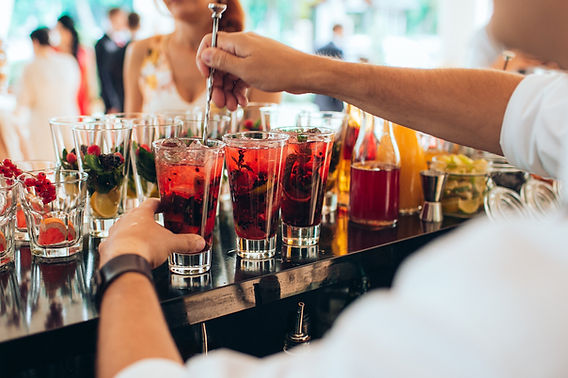
An open bar is generally the most expensive part of the reception, costing between $40 and $100 per guest. The final price depends heavily on the tier of alcohol you choose: a beer-and-wine package is on the lower end, while a premium open bar with top-shelf liquor pushes the cost higher. Some venues charge a service fee or gratuity on top of these drink costs, so always request a detailed per-guest estimate that includes taxes and tips.
How can I budget for hidden wedding fees?
Hidden fees often come from vendor service charges, venue corkage fees, or overtime charges. Many vendors add a 15–20% service fee to their base rate, which is separate from the gratuity you might give to individual staff. If you bring your own cake or alcohol, venues may charge a corkage fee, which can range from $2 to $5 per bottle. Always review the contract for "administrative" or "setup" fees that aren't immediately obvious in the initial quote.
No comments yet. Be the first to share your thoughts!