

Set your total wedding budget first
Before touring reception halls or requesting DJ quotes, establish a hard number for your total wedding costs. This figure anchors every subsequent decision, preventing you from falling in love with a venue that forces you to cut quality elsewhere, such as food or photography.
Start by calculating what you can actually afford, not what you see on social media. Gather funds from all sources: personal savings, family contributions, and joint accounts. Write this total in a dedicated spreadsheet. This number is non-negotiable for the planning phase.
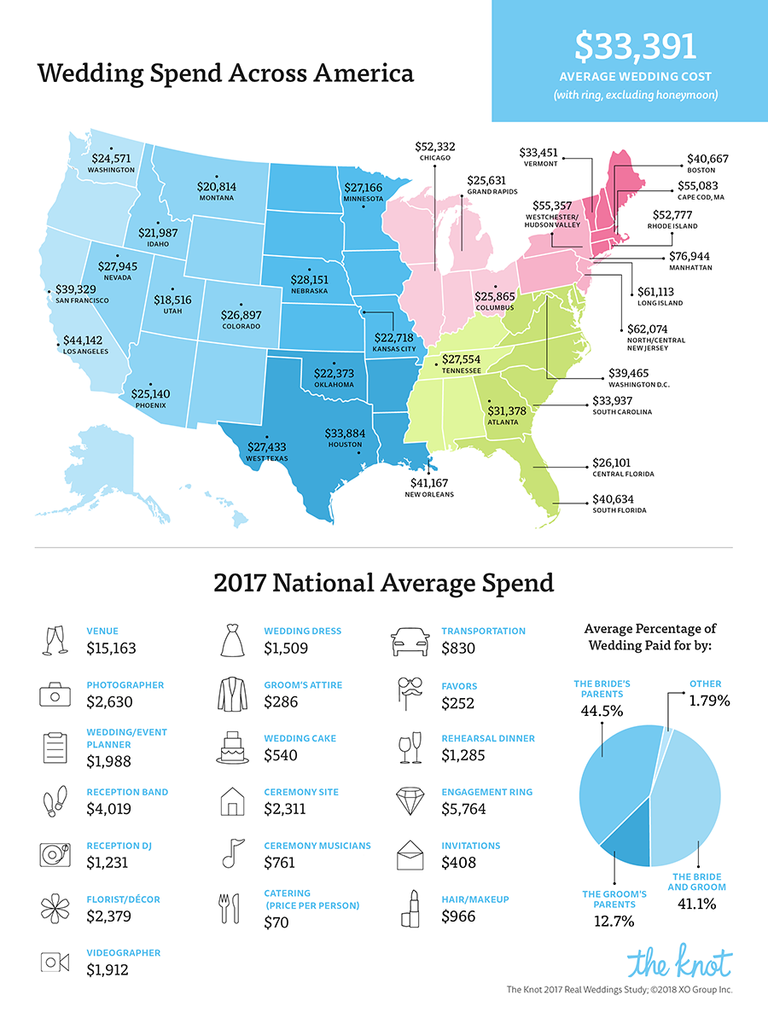
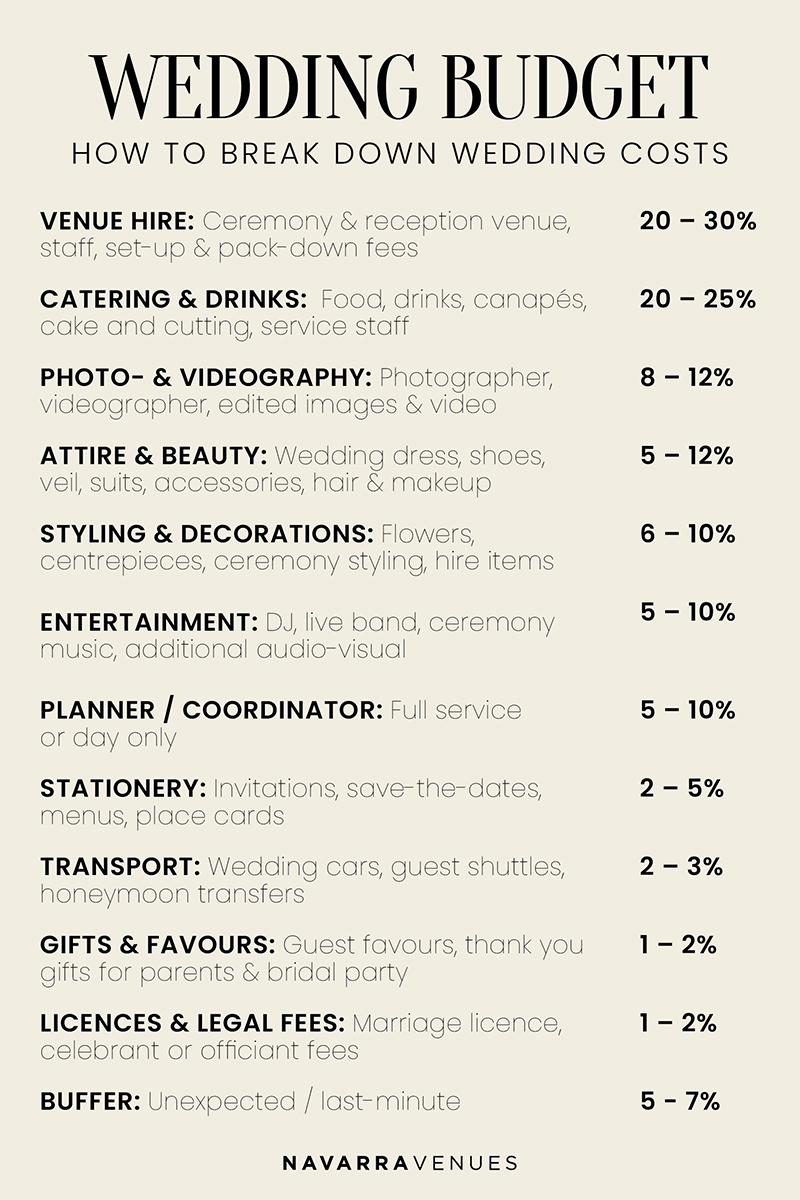
Once you have the total, allocate percentages to major categories. Industry data from The Knot suggests venue and rentals take about 29% of the budget, while catering, cake, and drinks account for 24%. Photography and videography typically run 10%. Adjust these based on your priorities. If music is central to your celebration, shift funds from floral decor to the DJ or band.
Keep a contingency fund of 10-15% of your total budget. Unexpected costs always arise, from service fees to last-minute guest additions. Treat this money as invisible until the very end. If you don't spend it, use it for your honeymoon or a future home purchase.
How to allocate your wedding costs
With your total locked in, break it down by line item. Use percentage guidelines as a baseline, but be ready to move money. If you are having a backyard wedding, your venue cost drops to near zero. Redirect that 29% toward premium catering or a larger guest list.
Track every expense as it happens. Prices change, and initial estimates may be off. If a DJ quote exceeds expectations, check if you can reduce rental hours or simplify equipment. The goal is to stay within your total budget, not to hit every percentage point exactly.
Regularly review your budget against actual spending. If you have spent 50% of your budget on just two items, cut back elsewhere immediately. This monitoring keeps you in control and reduces stress.
Allocate funds to venue and catering
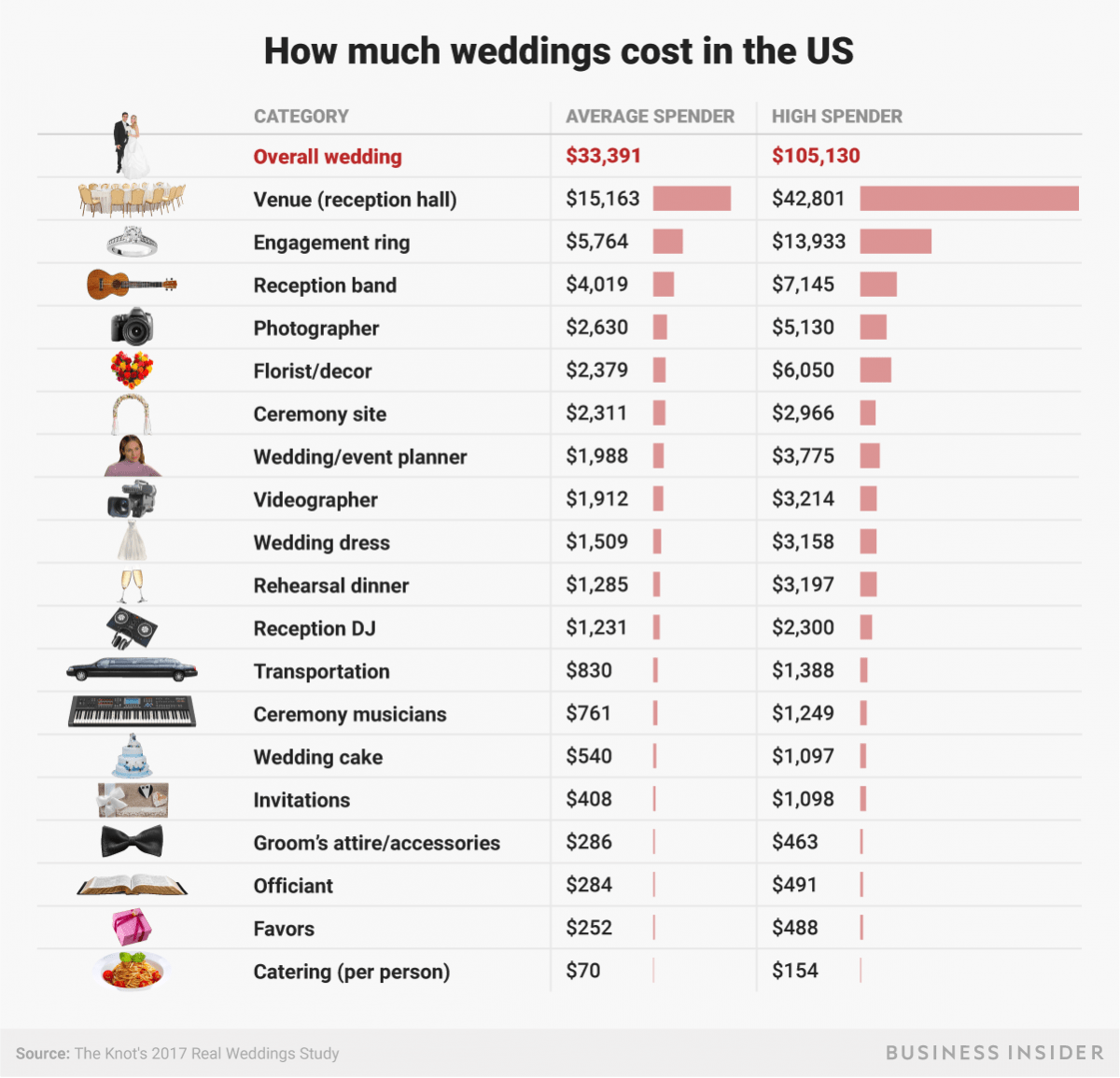
The venue and catering are your biggest line items, typically consuming 40% to 50% of your total budget. In 2026, national averages place the venue at $8,573 and catering at $6,927, meaning a standard mid-range wedding spends roughly $15,500 just on space and food [Zola].
Your location and meal service choice dramatically changes the final price. Indoor venues often have higher rental fees but include climate control and restrooms. Outdoor spaces may have lower base costs but require expensive rentals for tents, lighting, and portable restrooms. Similarly, your catering format dictates labor costs. Plated dinners feel more formal but require more servers, whereas buffet-style service can reduce headcount but might increase food waste.
| Option | Avg. Venue Cost | Avg. Catering Cost | Key Considerations |
|---|---|---|---|
| Indoor Venue | $9,000+ | $7,500 | Includes climate control and restrooms; higher rental fee. |
| Outdoor Venue | $6,000–$8,000 | $7,000 | Lower base cost but adds tent/lighting rentals. |
| Plated Dinner | N/A | $8,500+ | Higher labor costs; more formal service style. |
| Buffet Service | N/A | $6,500 | Fewer servers needed; potential for higher food waste. |
If you are working with a strict limit, consider pairing an affordable outdoor space with a buffet or food truck option to keep your overall wedding costs manageable.
Budget for Entertainment and DJ Rates
Music sets the tone for your event, but it is also one of the most variable costs. To keep your Wedding Costs predictable, separate the ceremony from the reception. Most DJs charge differently for each segment, and mixing them into a single quote can obscure where your money is going.
The ceremony requires clear audio for vows, often with wireless microphones, but typically no dance floor music. The reception requires high-volume sound, a dance floor playlist, and MC services. Ask potential vendors if they offer a bundled rate for both. Bundling is often cheaper than hiring two separate musicians.
DJ Rate Expectations
-
Basic DJ (4-6 hours)
$800 - $1,500. Includes standard sound system, basic lighting, and playlist coordination. Often excludes travel fees outside a 30-mile radius. -
Premium DJ (6-8 hours)
$1,500 - $3,000. Includes advanced sound systems, uplighting, wireless microphones for speeches, and extensive playlist consultation. -
Ceremony Add-On
$200 - $500. Typically covers setup of wireless mics and a smaller speaker system for the processional and vows.
Always verify what is included in the quoted rate. A cheap base price might exclude travel fees, overtime charges, or additional microphones. Check if the price includes setup and teardown time. You want a vendor who arrives early to test audio levels and stays late to pack up without disrupting your post-wedding cleanup.
Calculate open bar expenses carefully
Open bar costs are often the most variable part of your wedding budget. Unlike a fixed venue rental, drink consumption fluctuates based on guest behavior, timing, and local liquor prices. To keep your Wedding Costs on track, account for these variables before signing a contract.
Start by defining the scope. Are you offering a full premium bar, a house beer and wine option, or a signature cocktail menu? Decide on the duration. Most open bars run for four to five hours. Extending this time significantly increases costs, so stick to a defined window unless you have a specific reason to go longer.
Industry standards suggest estimating 1.5 to 2 drinks per person for a four-hour event. If your crowd skews toward heavy drinkers or you are serving premium spirits, lean toward the higher end. For a crowd of 100 guests, this means preparing for 150 to 200 drinks total. This estimate helps you calculate the volume of alcohol you need to purchase or rent.
You have two main options: a cash bar (guests pay for drinks after a certain time), a limited open bar (beer, wine, and domestic beer only), or a full open bar. A full open bar with premium liquors can cost $40 to $60 per person. A house beer and wine option might drop that to $25 to $35 per person. Your choice here dictates the bulk of your final bill.
Vendors rarely quote just the cost of the liquid. Add 20% to 25% for service staff, bartenders, and glassware rental. Don’t forget local sales tax and gratuities. These hidden fees can add thousands to your final tab. Always ask for an all-inclusive per-person quote that includes labor and taxes to avoid surprises.
Plug your numbers into a simple estimation tool. Multiply your guest count by your estimated drinks per person, then apply your per-drink cost based on the service model. Add the 25% service and tax buffer. This gives you a realistic ceiling for your bar budget, allowing you to adjust your guest count or drink tier if the total exceeds your limits.
The Knot and Zola data suggest that catering and drinks typically account for about 24% of total wedding costs. By locking in your open bar estimate early, you can allocate the remaining budget to other critical areas like photography or venue rental without overspending on alcohol.
Avoid common wedding cost mistakes
The biggest threat to your budget isn’t the venue price tag; it’s the hidden fees that appear after you sign the contract. Most couples underestimate taxes, service charges, and overtime, turning a manageable plan into a debt trap. By anticipating these costs upfront, you keep your Wedding Costs predictable.
Underestimate taxes and service charges
Venues and caterers rarely quote the final price without adding mandatory fees. Service charges typically range from 18% to 22% and are often treated as profit rather than tips for staff. Sales tax applies to food, beverage, and sometimes rentals, varying by state and locality. Always ask for an "all-in" quote that includes these percentages before signing.
Ignore overtime fees
Rehearsal dinners, cocktail hours, and late-night partying often extend beyond the contracted hours. Vendors charge steep overtime rates, usually $100 to $200 per hour, for staff, musicians, and venue access. Build a buffer of 30 to 60 minutes into your timeline, or explicitly budget for the extra hours in your contract.
Forget gratuities
Tips are expected for DJs, bartenders, photographers, and venue coordinators. While some venues include gratuity in their service charge, others leave it entirely to the couple. Budget 15% to 20% of vendor costs for tips, or set aside a flat cash fund for day-of staff. This prevents awkward conversations and ensures your team feels appreciated.
Skip the contingency fund
Unplanned expenses are inevitable. Whether it’s extra chairs, last-minute cake toppers, or weather-related tent rentals, small costs add up. Set aside 10% of your total budget as a contingency fund. This safety net covers surprises without derailing your other expenses.
Track your spending with a checklist
Wedding costs accumulate quickly, often slipping past initial estimates. A static budget is only useful if you update it as payments are made. Treat your plan like a living document that records actual spend, not just projected totals.
Start with a standard framework for allocating percentages to venues, catering, and attire. Use it as your baseline, then adjust figures as you lock in vendors.
| Category | Estimated % | Actual Spend | Variance |
|---|---|---|---|
| Venue & Catering | 40-50% | $0 | $0 |
| Photography | 10-12% | $0 | $0 |
| Attire | 9-10% | $0 | $0 |
| Music & Entertainment | 8-10% | $0 | $0 |
| Decor & Florals | 8-10% | $0 | $0 |
| Total | 100% | $0 | $0 |
Enter every invoice and deposit into this table. If the variance exceeds 5% in any row, trim costs from a lower-priority category. This discipline prevents the common mistake of overspending on details while underfunding essential services.
Grab a pre-built wedding budget checklist. These templates include all standard line items, from marriage licenses to post-wedding brunch, so you don't have to guess what to track.
As soon as you sign a contract, record the deposit amount. This establishes your baseline spend and helps you gauge remaining liquidity for future vendor payments.
Review your actual spend against the estimated budget every week. Small adjustments now prevent a large financial shock on the day of the wedding.
No comments yet. Be the first to share your thoughts!