

Average wedding costs in 2026
The baseline for a U.S. wedding in 2026 sits at approximately $34,000. This figure, reported by The Knot’s 2026 wedding report, translates to roughly $292 per guest. NerdWallet and other major planning platforms confirm this average, noting that while the national mean is high, individual totals vary significantly based on guest count and regional pricing.
This average is not a fixed price tag but a starting point for budget planning. The total cost is driven by two primary categories: venue/food and entertainment. Understanding these drivers helps couples allocate funds more effectively. For instance, the cost per guest often includes catering and bar service, which can quickly escalate if an open bar is selected.
When planning your wedding costs, it is essential to separate fixed expenses from variable ones. Venue fees and DJ rates are often fixed once booked, while food and beverage costs scale with your guest list. By establishing this $34,000 benchmark, you can better assess where your priorities lie—whether that means investing in a higher-tier DJ or opting for a limited bar service to keep the total closer to your target.
Calculate your total wedding costs
The average U.S. wedding now costs around $34,000, or roughly $292 per guest, according to The Knot's 2026 wedding report. However, your specific budget depends heavily on guest count, bar style, and entertainment choices. Use the tool below to estimate your total based on current market rates.
Venue and catering cost drivers
Venue rental and catering typically consume the largest share of a wedding budget, often accounting for nearly half of the total spend. In 2026, the national average venue cost sits at $8,573, while catering averages $6,927 for a standard guest count. These two line items are the most volatile parts of the budget, meaning small changes in guest count or vendor selection can significantly shift the final cost.
The choice of venue type sets the baseline for your per-person expenses. Hotels often include tables, chairs, and basic audio equipment in their rental fee, which can lower the total cost compared to barns or outdoor spaces that require external rentals. Conversely, outdoor venues may have lower base rental fees but often incur higher costs for tents, lighting, and portable restrooms.
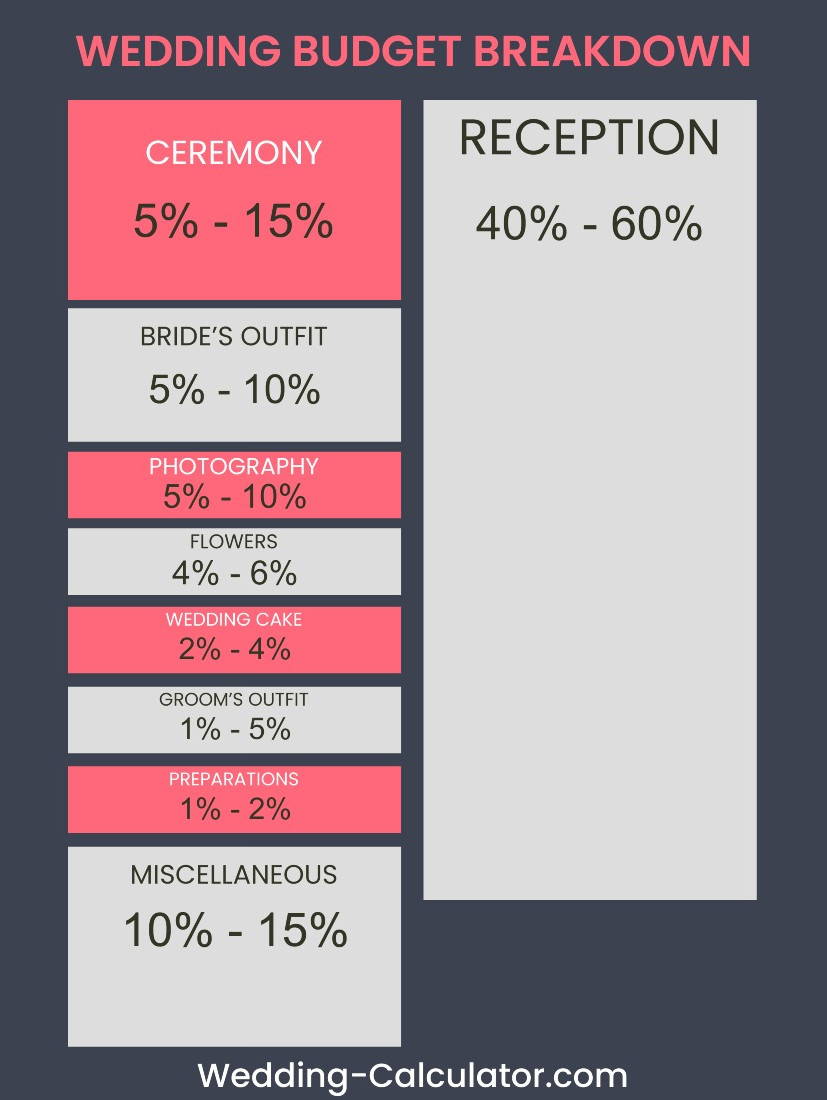
Catering models further influence the bottom line. Most venues charge a per-person fee, which scales directly with your guest list. A mid-range package might cost $60–$80 per head for food alone, while premium options with open bars and multiple courses can exceed $120 per person. Some venues offer package deals that bundle food, beverage, and service charges, which can simplify budgeting but may lack flexibility if you want to customize your menu.
| Venue Type | Average Rental Cost | Estimated Catering Per Person |
|---|---|---|
| Hotel / Ballroom | $7,000 – $10,000 | $60 – $90 |
| Barn / Rural | $5,000 – $8,000 | $50 – $80 |
| Outdoor / Park | $2,000 – $5,000 | $40 – $70 |
| Restaurant Private | $0 – $2,000 (min spend) | $55 – $85 |
Service charges and taxes add another layer of complexity. Venues often add a 20–25% service charge and 8–10% sales tax on top of the food and beverage bill. This is distinct from the gratuity you may choose to leave for the staff. Always ask whether the service charge is distributed to the staff or kept by the venue, as this affects the true cost of your catering.
To keep costs predictable, lock in your guest count as early as possible. Many venues allow you to adjust the final number within 30 days of the event, but the per-person rate remains fixed. If you are working with a tight budget, consider a brunch or lunch reception, which typically costs 20–30% less than a dinner service. Similarly, opting for a limited bar package with beer, wine, and two signature cocktails can significantly reduce the per-person catering cost compared to a full open bar.
DJ rates and entertainment expenses
Music sets the tone for your reception, and the budget for entertainment often rivals that of the venue itself. For 2026, couples should expect to spend between $1,200 and $3,500 for a professional wedding DJ, while live bands typically range from $3,000 to $10,000 or more depending on their size and reputation.
What Drives DJ Prices
The cost of a DJ is rarely a flat fee; it fluctuates based on equipment quality, experience level, and geographic demand. A standard package usually includes sound system, microphones, and basic lighting. However, prices rise when you add premium lighting rigs, uplighting, or photo booth rentals. Peak season weekends in major metropolitan areas can push base rates toward the higher end of the spectrum.
DJ vs. Live Band Costs
Choosing between a DJ and a live band often comes down to budget and atmosphere. A four-piece band requires more space, power, and load-in time, which can sometimes necessitate venue fee adjustments. DJs are generally more cost-effective and versatile, capable of playing a wider variety of genres without the need for stage setups. If your priority is keeping guests dancing with minimal downtime, a DJ offers the best price-to-performance ratio.
Hidden Entertainment Fees
Beyond the performer’s rate, watch for travel fees, overtime charges, and meal requirements. Many vendors require a complimentary meal for the band or DJ if they are on-site during dinner service. Failing to account for these add-ons can inflate your final bill by several hundred dollars. Always ask for a detailed breakdown of what is included in the base quote before signing a contract.
Open bar expenses and alcohol costs
Alcohol typically consumes 10% to 20% of a total wedding budget, making it one of the most variable line items. The final cost depends heavily on your chosen service model, the number of guests, and the tier of spirits selected. Understanding these variables helps you avoid surprise charges on the final invoice.
Open bar vs. cash bar vs. limited packages
An open bar covers all drinks for guests, offering the highest convenience but also the highest cost. A cash bar shifts the expense to attendees, which can lower your budget but may cause friction if guests expect hospitality. Most couples choose a middle ground: a limited open bar for the first hour or two, followed by a cash bar, or a tiered package that includes specific beer, wine, and a single signature cocktail.
Per-guest estimates and tiered packages
Costs generally range from $40 to $100+ per adult for a three-hour open bar. This average includes labor, glassware, and the venue's markup on beverages. Tiered packages often break down as follows:
- Beer and Wine: $30–$45 per guest. This is the most budget-friendly option for a fully open service.
- Full Open Bar: $60–$100+ per guest. Includes domestic liquor, premium mixers, and non-alcoholic options.
Callout: Ask venues if they allow outside alcohol to reduce bar costs significantly.
Hidden costs to watch
Labor and service fees often add 20% to 25% to the raw cost of alcohol. Some venues charge a corkage fee if you bring your own wine, while others require you to use their in-house bartenders. Always ask about the "pour cost"—the actual price of the liquid versus the retail price—and verify if gratuities are included in the quoted per-guest rate.
Common wedding budget mistakes
Use this section to make the Wedding Costs Breakdown decision easier to compare in real life, not just on paper. Start with the reader's actual constraint, then separate must-have requirements from details that are merely nice to have. A practical choice should survive normal use, maintenance, timing, and budget. If a recommendation only works in an ideal situation, call that out plainly and give the reader a fallback path.
The simplest way to use this section is to write down the must-have criteria first, then compare each option against those criteria before weighing nice-to-have features.
Finalize your wedding budget checklist
Before signing any vendor contracts, ensure every major cost category is accounted for. The average U.S. wedding now costs around $34,000, which works out to roughly $292 per guest, according to The Knot’s 2026 data. This baseline helps you gauge whether your specific choices—like open bar tiers or DJ rates—are keeping you on track or pushing you into debt.
Use the following steps to audit your financial plan. If a category is missing from your spreadsheet, it will likely appear as an unexpected charge later.
Venue rentals and food & beverage usually consume 50-60% of the total budget. Confirm if the venue fee includes tables, chairs, and linens, or if these are separate rentals. For catering, check if the per-person cost includes tax and service charges, which can add 25% to the bill. A realistic budget for a mid-sized wedding typically ranges from $25,000 to $45,000.
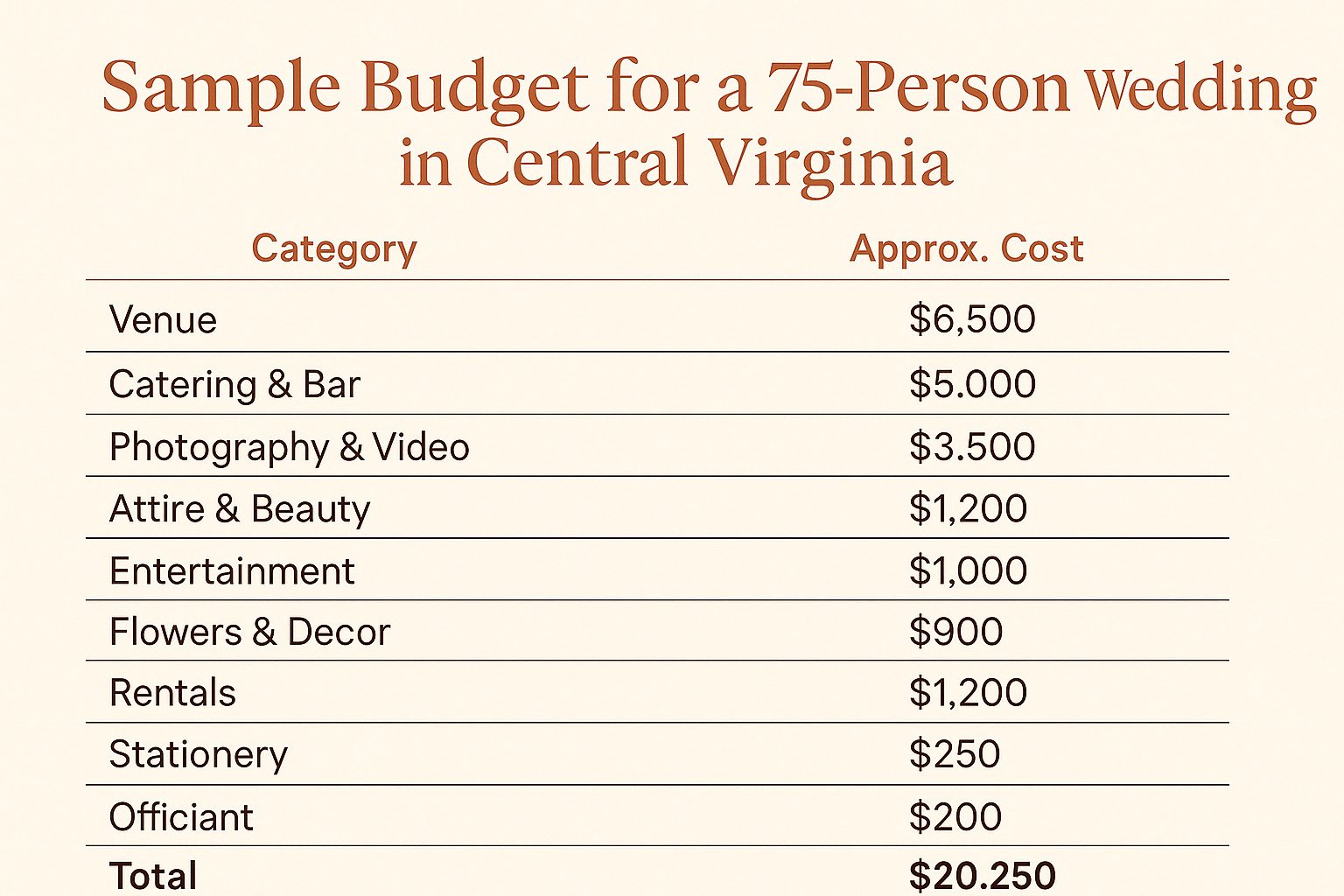
Entertainment costs vary widely based on experience and equipment needs. A professional DJ typically costs between $1,200 and $2,500, while a live band can exceed $5,000. Ensure the quote includes travel fees, setup time, and any necessary sound upgrades for large spaces. Ask if overtime rates apply if the reception runs past the contracted time.
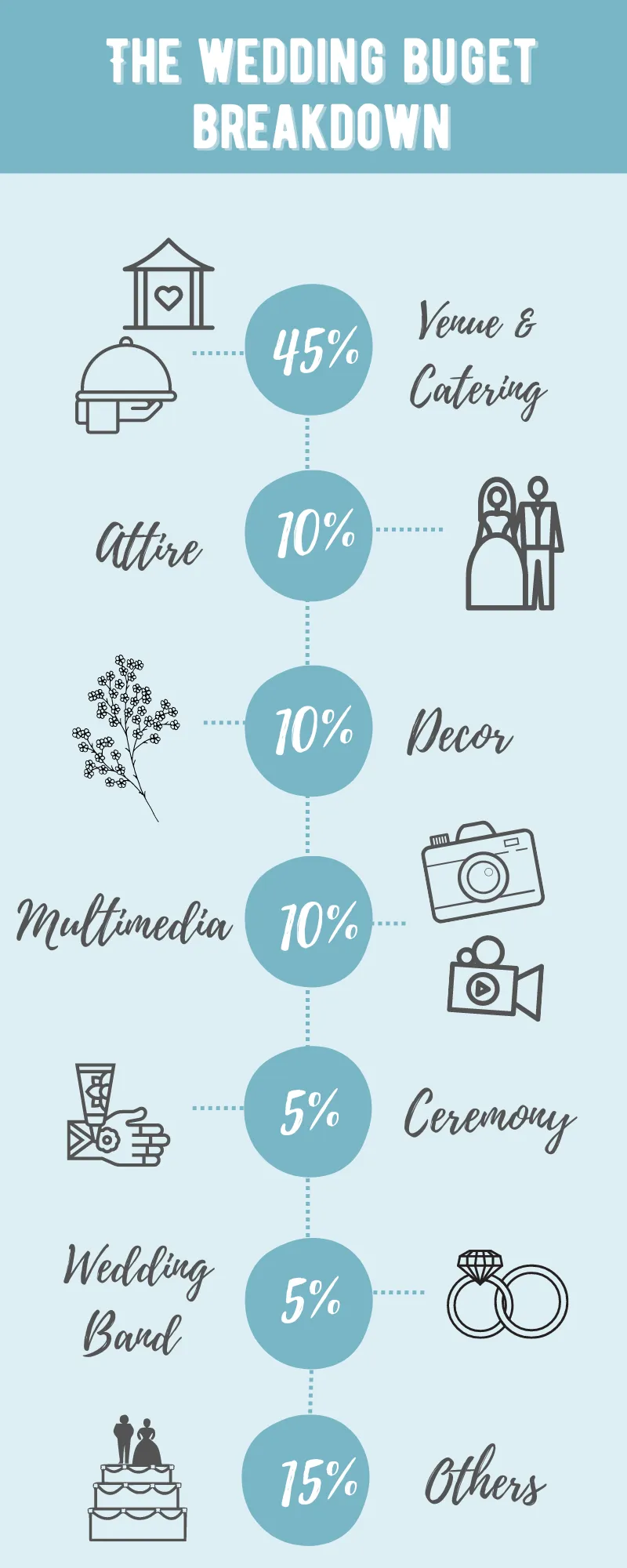
An open bar is a major expense driver. Determine if you are offering a full open bar, a limited bar (beer, wine, and house spirits), or a signature drink package. Costs can range from $30 to $100+ per guest depending on the tier and duration. Some venues offer discounted beverage packages if you commit to a specific drink count.
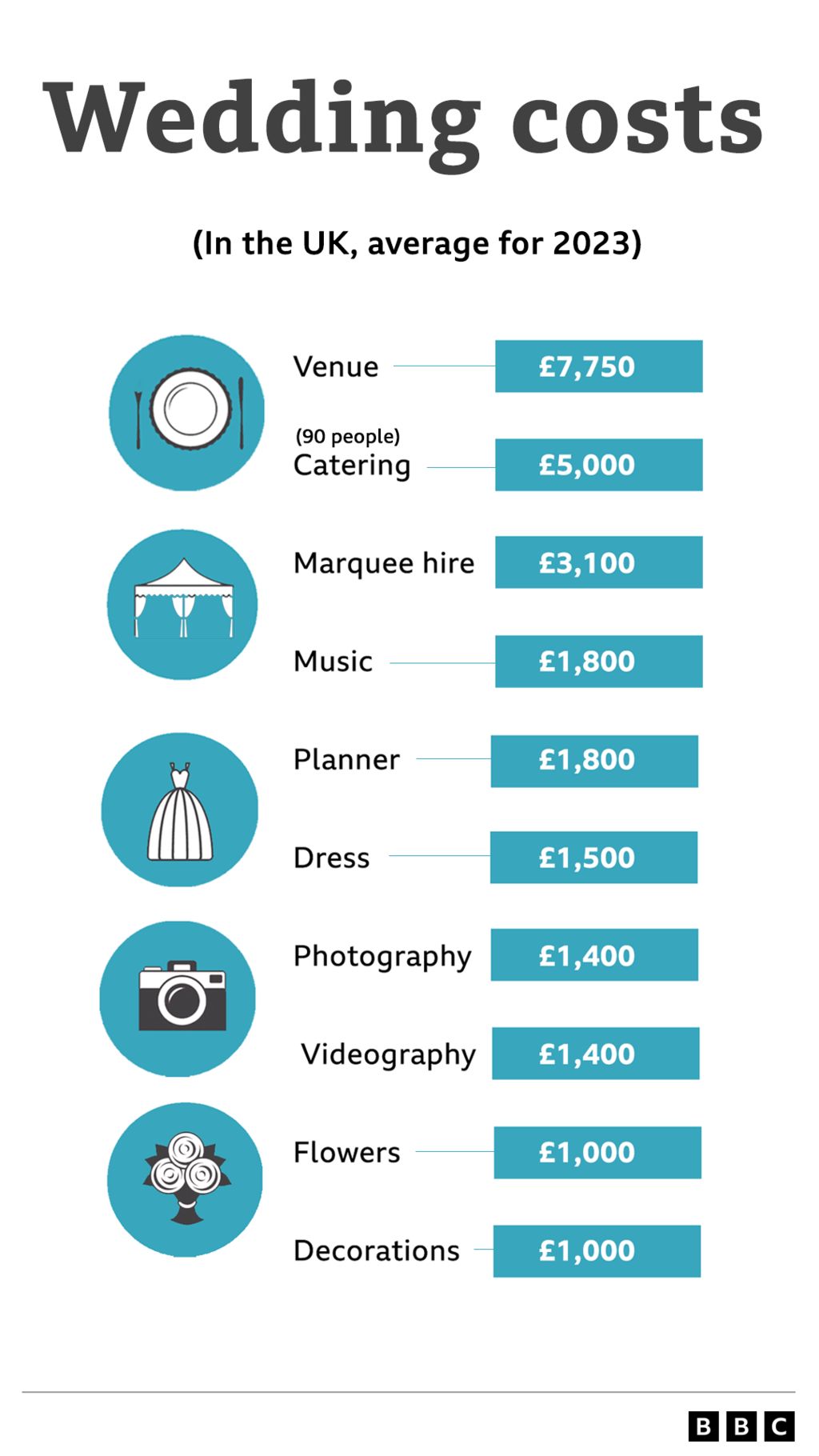
Professional coverage typically costs between $2,000 and $4,000. Verify if the price includes engagement sessions, second shooters, and digital delivery. Some vendors charge extra for travel to remote locations or for extra hours of coverage. Ensure you understand the timeline for receiving final edited images.
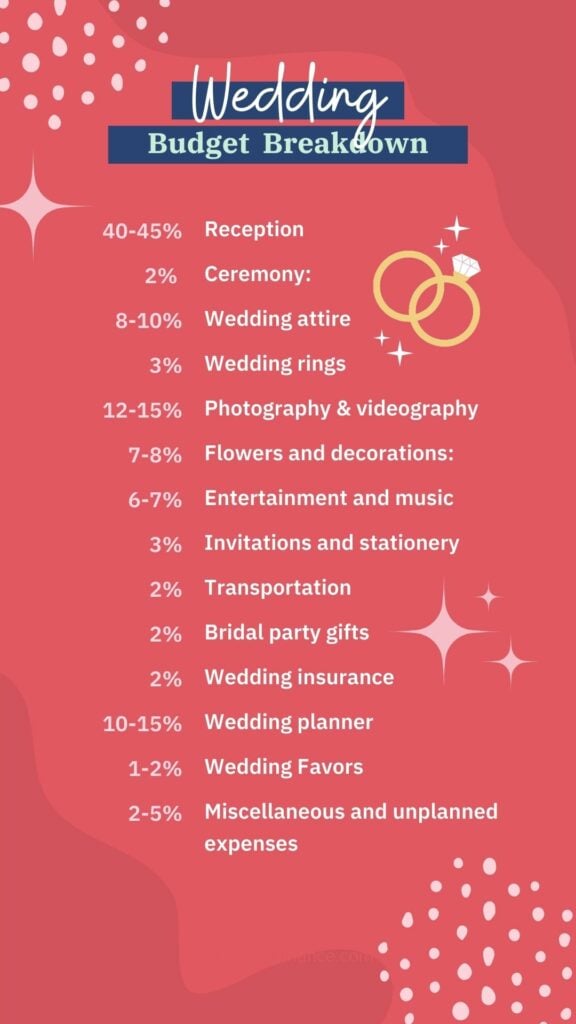
Wedding attire, including alterations, accessories, and hair and makeup, often totals $1,000 to $3,000. If you are getting married in a different city, factor in accommodation and travel for your wedding party. Some vendors offer package discounts if you book hair, makeup, and attire services together.
Once you have filled in these categories, compare your total against your target. If you are over budget, look for flexibility in the largest line items, such as adjusting the guest count or choosing a limited bar instead of an open one.
Frequently asked questions about wedding costs
Understanding the specific line items that drive your total budget helps you allocate funds where they matter most. Based on 2026 industry data, the average U.S. wedding costs approximately $34,000, which breaks down to roughly $292 per guest.
No comments yet. Be the first to share your thoughts!