
Start with your total wedding budget
Before you browse DJ reels or taste-test cake samples, you need a firm number to work from. According to The Knot’s 2026 Real Weddings Study, the national average wedding cost is $34,200. This figure serves as your baseline, but it is rarely a final destination. Your actual budget will shift based on guest count, venue type, and regional pricing differences.
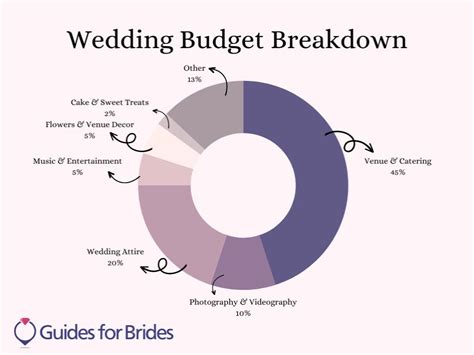
Think of this total as your financial container. If you spend too much on the open bar, you will have less room for the DJ or photography. Smart budgeting starts by allocating percentages to major categories rather than guessing individual line items. For example, the average couple spends about 20% on the venue and catering, 15% on photography, and 10% on music and entertainment.
Use the calculator below to personalize these numbers. Input your guest count, select your region, and choose your key services to see how your specific choices impact the total. This tool helps you visualize trade-offs instantly—like how adding an open bar might reduce your budget for other vendors.
Compare DJ rates against other entertainment options
Choosing the right entertainment tier requires looking beyond the headline price. A DJ often costs less upfront, but live bands bring a different energy that can justify the higher investment for some couples. To help you decide where to allocate your budget, we’ve broken down the typical costs, equipment needs, and setup requirements for both options.
Side-by-side cost comparison
The table below outlines the typical price ranges and logistical differences between hiring a professional DJ and a live band. Note that these figures represent national averages for 2026 and can vary significantly by region and vendor experience.
| Feature | Professional DJ | Live Band (4-6 members) | DJ + Live Percussionist |
|---|---|---|---|
| Average Cost | $1,500 – $3,500 | $3,000 – $8,000+ | $2,500 – $5,000 |
| Setup Time | 2–3 hours | 3–5 hours | 2.5–4 hours |
| Music Variety | Unlimited (any genre, request-driven) | Limited to repertoire & covers | High (DJ playlists + live energy) |
| Space Requirements | Small corner or dedicated booth | Full stage or large open area | Medium (stage + DJ booth) |
| Ambiance | Consistent, dance-floor focused | Dynamic, high-energy live performance | Best of both worlds |
Budgeting considerations
When comparing these options, consider the total time vendors need for setup and sound checks. Bands typically require more time to load in, set up instruments, and tune, which may impact your venue rental hours or require earlier access. DJs are generally quicker to deploy, freeing up more time for guest arrival and cocktail hour.
If your budget is tight but you want the visual appeal of live music, consider a hybrid approach. Hiring a DJ paired with a single live percussionist or saxophonist can bridge the gap, offering the versatility of a DJ with the live flair of a band at a mid-range price point.
Calculate open bar expenses by drink type
Your bar tab is often the single most unpredictable line item in a wedding budget. Unlike catering, where the cost per plate is fixed, alcohol consumption scales directly with guest behavior, service style, and duration. To get a realistic number for 2026, you need to break down costs by drink category rather than guessing a flat hourly rate.
The most effective way to control this variable is to distinguish between a "hosted bar" (open bar) and a "limited bar" (beer, wine, and a signature cocktail only). A hosted bar typically runs between $100 and $150 per guest for a four-hour reception, while a limited bar can drop that cost by 30–40%. Use the calculator below to estimate your total spend based on your guest count and preferred service model.
Step 1: Choose your service model. A limited bar covers domestic and craft beers, house wines, and one or two signature cocktails. This is the most common choice for budget-conscious couples. A hosted bar includes premium spirits, top-shelf liquors, and a full cocktail menu. If you choose a hosted bar, expect to pay a premium for high-end brands like Grey Goose or Patron.
Step 2: Factor in the duration. Most vendors quote a base price for four hours of service. If your reception runs late into the night, you will likely incur a "staff overtime" fee or a per-hour extension charge. These extensions can add $50–$100 per hour to your total bill, so it is smarter to estimate your final cost early and budget for potential overtime.
Step 3: Account for non-alcoholic options. Never underestimate the volume of soda, water, and mocktails consumed. While often included in the base price, some vendors charge extra for premium mixers or artisanal sodas. Ensure your contract specifies that non-alcoholic beverages are covered to avoid surprise surcharges on the day of the event.
Step 4: Calculate the tip. Industry standard tips for bartenders range from 15% to 20% of the total bar tab. If your calculated cost is $10,000, budget an additional $1,500–$2,000 for staff gratuities. This is separate from the vendor’s invoice and should be paid in cash on the day of the wedding.
By breaking down your open bar expenses into these specific variables, you can move from a vague estimate to a precise budget figure. This approach prevents the common mistake of underfunding the bar, which leads to awkward moments when drinks run out, or overfunding it, which drains money from other priorities like photography or venue decor.
Budget for officiant and legal fees
These costs are often the most overlooked line items in a wedding budget. While the ceremony itself might feel like the emotional centerpiece, the administrative and professional fees required to make it legal and professional are just as real. You need to account for the officiant’s honorarium, the government-issued marriage license, and any separate rental fees for the ceremony space.
Officiant fees vary significantly based on who performs the ceremony. A professional celebrant or rabbi typically charges between $400 and $800, which often includes pre-marital counseling sessions and rehearsal attendance. If you ask a friend or family member to officiate, you might still budget $100 to $200 as a gift of appreciation, or simply cover their travel costs if they are coming from out of town. Always confirm in writing what this fee includes, as travel time and rehearsal attendance can add extra charges.
The marriage license is a non-negotiable government fee. In most US counties, this costs between $30 and $100. Some jurisdictions offer a discount if you complete a pre-marital education course, which can also shorten the waiting period between applying and receiving the license. Plan to apply for this 30 to 60 days before the wedding, as licenses usually expire within 30 to 90 days depending on the state.
Finally, consider if your ceremony location has a separate rental fee. Many churches, parks, and historic venues charge a ceremony-only rental that is distinct from the reception hall. This can range from $150 for a public park pavilion to $500 or more for private estates. Check your venue contract carefully to see if the ceremony space is included in the main package or billed separately.
Avoid common wedding budget mistakes
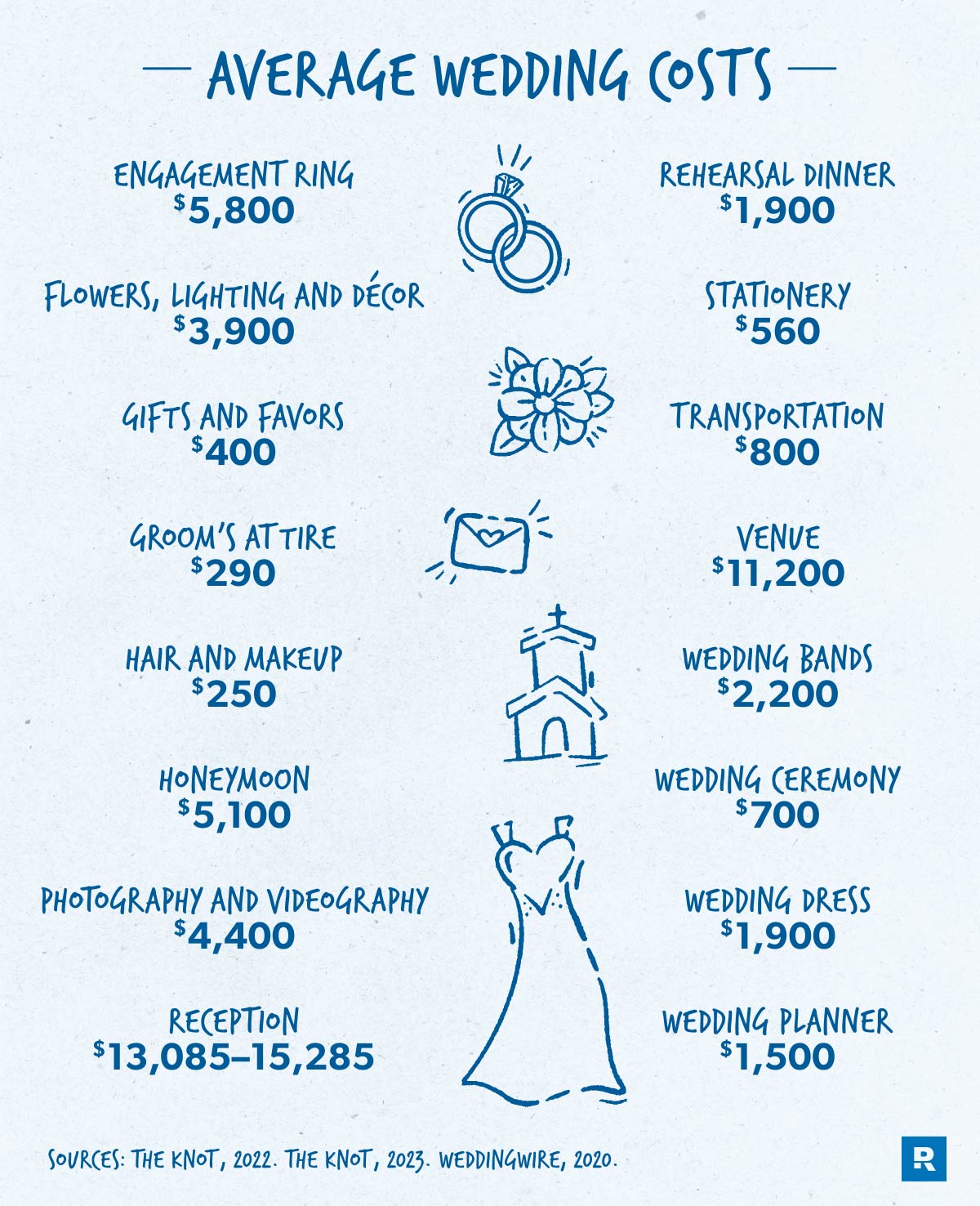
Hidden costs are the fastest way to derail a wedding budget. While you might lock in a flat rate for your DJ or open bar, vendors often add gratuities, overtime fees, and service charges that don't appear in the initial quote. These expenses can add thousands to your final total if you don't account for them early.
The most common pitfall is ignoring the "day-of" cash tips. Vendors like bartenders, photographers, and DJ crews often expect a 10-20% gratuity on top of their base fee. Additionally, many venues and caterers add a 20-25% service charge, which is distinct from a tip but functions similarly. Failing to include these percentages in your spreadsheet means you'll be scrambling for cash on the wedding day.
Overtime fees are another silent budget killer. If your reception runs 30 minutes past the contracted time, you could be charged $150-$300 per hour for the DJ, band, or venue staff. Always build a 10-15% contingency into your budget to cover these unexpected overages.
Use the calculator below to estimate how much you need to set aside for these hidden expenses based on your total vendor spend.
Before you sign any contracts, use this checklist to audit your budget for these specific line items:
-
Gratuities: Confirm if tips are included in the contract or if they are expected in cash.
-
Service Charges: Check if the 20-25% fee goes to the vendor or as a tip for staff.
-
Overtime Clauses: Note the hourly rate for any vendor if you go over time.
-
Taxes: Ensure sales tax is included in your final vendor totals.
-
Credit Card Fees: Add 3% if you plan to pay vendors via credit card.
No comments yet. Be the first to share your thoughts!