

Average wedding costs in 2026
The national baseline for a wedding in 2026 sits at approximately $36,000. This figure is driven largely by the two heaviest expenses: the reception venue and catering. Together, these two line items typically consume more than 40% of the total budget, setting the financial stage for every other decision you make.
Venue costs average around $8,573, while catering runs about $6,927. These numbers vary significantly by state and city, but they provide a reliable anchor for planning. When you break down the remaining $20,000+ for a DJ, bar, attire, and photography, the margins for hidden fees become clear.
Calculate your total wedding budget
Start with the national baseline: the average American wedding costs roughly $36,000, with venue and catering consuming more than 40% of that total. To build a realistic plan, you need to adjust these fixed costs based on your specific guest count and local market rates for key vendors like the DJ and bar staff.
The tool below lets you input your guest list size and estimated per-guest costs for food and drinks. It then applies standard percentage allocations for other major expenses—such as photography, floral design, and entertainment—to generate a comprehensive total. This approach helps you see exactly how adding ten guests or upgrading your sound system impacts your bottom line.
Venue and catering expense breakdown
The reception venue and catering are the two largest wedding expenses, typically making up more than 40% of the average wedding budget. In 2026, the national average for a reception venue is $8,573, while catering costs average $6,927 for a standard guest count. These figures represent the bulk of the financial commitment, as couples allocate roughly 29% of their total budget to venue rentals and 24% to food, cake, and drinks.
Costs vary significantly depending on the venue type and service style. A private estate or historic landmark will command a premium over a community center or park pavilion. Similarly, a plated multi-course dinner costs more per person than a buffet or food station. Understanding these variables helps couples estimate their specific needs before committing to a contract.
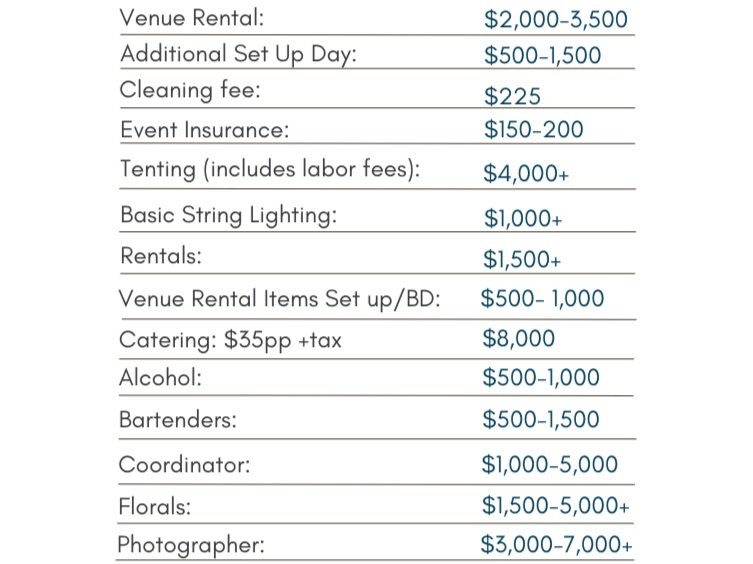
The table below compares average costs for different venue types and catering styles to help you benchmark your own quotes.
| Option | Venue Avg | Catering Avg | Notes |
|---|---|---|---|
| Private Estate | $12,800 | $9,500 | Includes full-service bar and premium rentals |
| Restaurant Venue | $6,500 | $7,200 | Often includes tables/chairs in base price |
| Public Park | $1,500 | $5,000 | Low facility fee; high external vendor costs |
| Community Hall | $2,000 | $4,500 | Basic kitchen access; limited decor options |
DJ rates and entertainment costs
A reception DJ is one of the most common ways to keep energy high without the premium price of a live band. According to 2026 data from NerdWallet, the average cost for a wedding DJ sits around $1,800. American Express reports similar figures, noting that reception DJs typically fall in the $1,500 to $2,500 range depending on experience and location. For most couples, this makes the DJ the most cost-effective entertainment option for a full evening of dancing.
The final price rarely stays flat because it depends on three main variables: duration, equipment needs, and travel. A standard four-hour set is the baseline. Adding an hour or two usually costs $100 to $200 extra. If your venue lacks professional sound systems or lighting, you will pay for the DJ to bring their own gear, which can add $200 to $500 to the bill. Travel fees apply if the venue is more than 30–50 miles from the DJ’s home base.
To get a precise number for your specific date and location, use the calculator below. It adjusts the base rate based on hours, guest count (which influences sound requirements), and add-ons like microphones for speeches or lighting packages.
Open bar expenses and alcohol costs
The open bar is often the single most volatile line item in a wedding budget. Unlike catering, which typically charges a fixed per-head rate for food, alcohol costs fluctuate based on consumption rates, premium selections, and service structures. For 2026, couples should expect to pay between $45 and $85 per guest for an open bar, depending on the region and the type of service chosen. This figure usually covers a four-hour window, after which additional hourly fees kick in.
The pricing model you select dictates how quickly costs escalate. A "consumption-based" bar charges only for what guests actually drink, which can save money if your crowd is light or if you offer non-alcoholic alternatives. However, many venues require a "minimum guarantee"—a set amount you pay regardless of consumption. If 100 guests drink less than the guaranteed 150 drinks, you still pay for the difference. Conversely, an "all-inclusive" package sets a fixed per-person price for unlimited drinks, offering budget predictability but potentially encouraging over-consumption.
Service charges and taxes are the hidden drivers that often surprise couples. While the drink menu might list $12 cocktails, the final bill includes a service charge (usually 18–22%) and state/local sales tax. Some venues bundle these into the per-guest rate; others add them at checkout. Additionally, corkage fees apply if you bring your own wine or champagne, typically ranging from $15 to $25 per bottle. Always ask for a detailed breakdown that separates alcohol costs from labor and tax to avoid last-minute surprises.
Hidden fees and extra costs
Initial quotes often look clean until the final invoice arrives. Vendors frequently separate base prices from mandatory service charges, taxes, and gratuities. These line items can add 20% to 30% to your total bill if you don’t ask about them upfront.
Service charges are not tips. A 20% service charge often goes to the venue or staffing agency, while a separate 18-22% sales tax applies to food, beverage, and sometimes rentals. DJs and bands may charge an additional travel fee or a "per hour" overtime rate that kicks in after a set number of hours, usually two.
Bar expenses also hide costs. Many venues charge a "bar service fee" on top of drink prices, and some require a minimum spend for open bars. If you bring your own alcohol, expect a "corkage fee" that can range from $10 to $20 per bottle.
Frequently asked questions about wedding costs
Here are answers to the most common budget questions couples ask when planning a wedding.
Final wedding budget checklist
Before signing contracts, verify every line item against your total cap. The average American wedding cost $36,000 in recent data, with venue and catering consuming over 40% of the total [[Fidelity]]. Use this checklist to ensure no hidden fees slip past your planning.
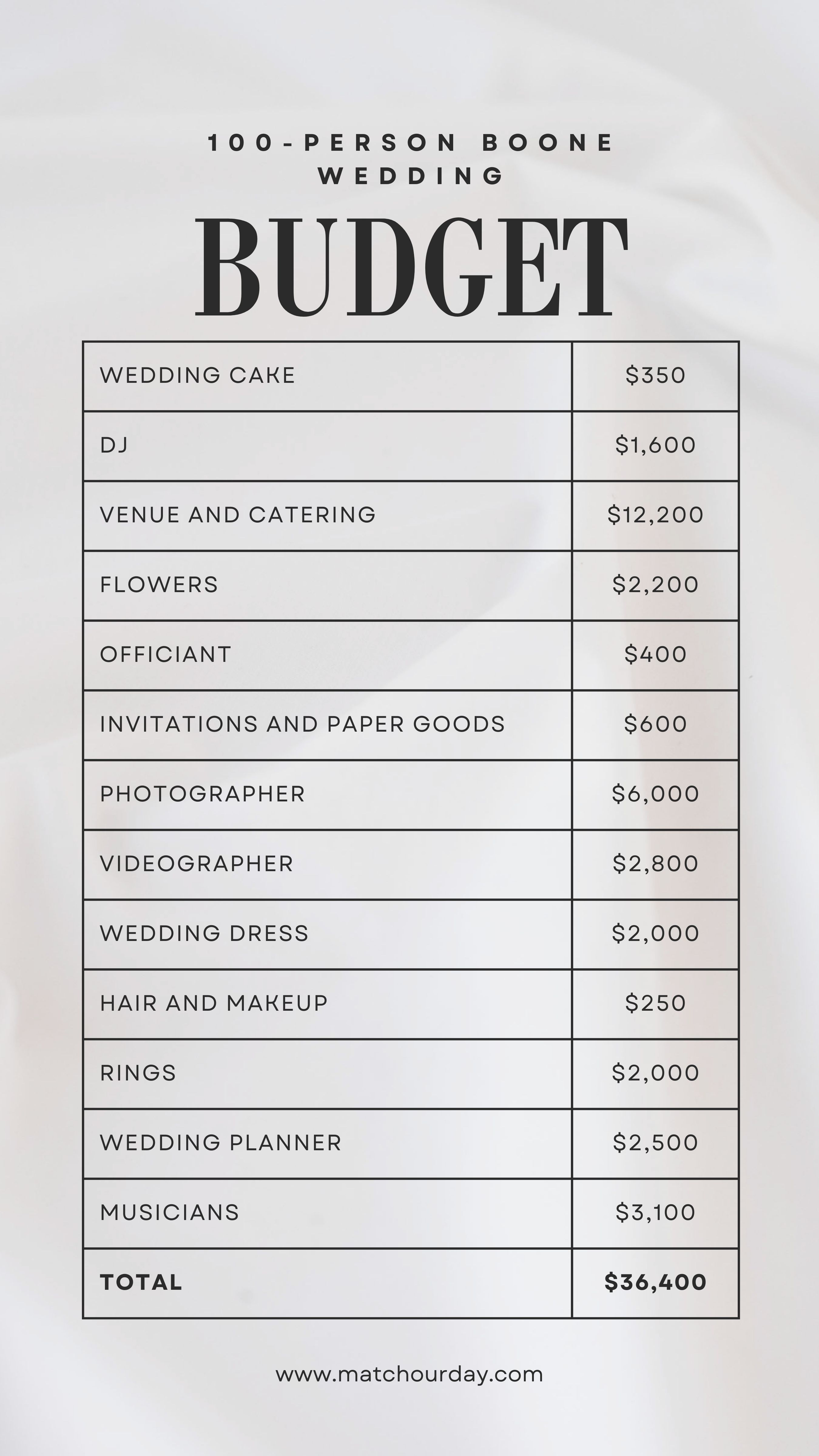
Ensure your DJ ($1,800 average) and bar staff payments are locked in. Verify if the venue requires a 50% deposit now and the balance 30 days before [[NerdWallet]].
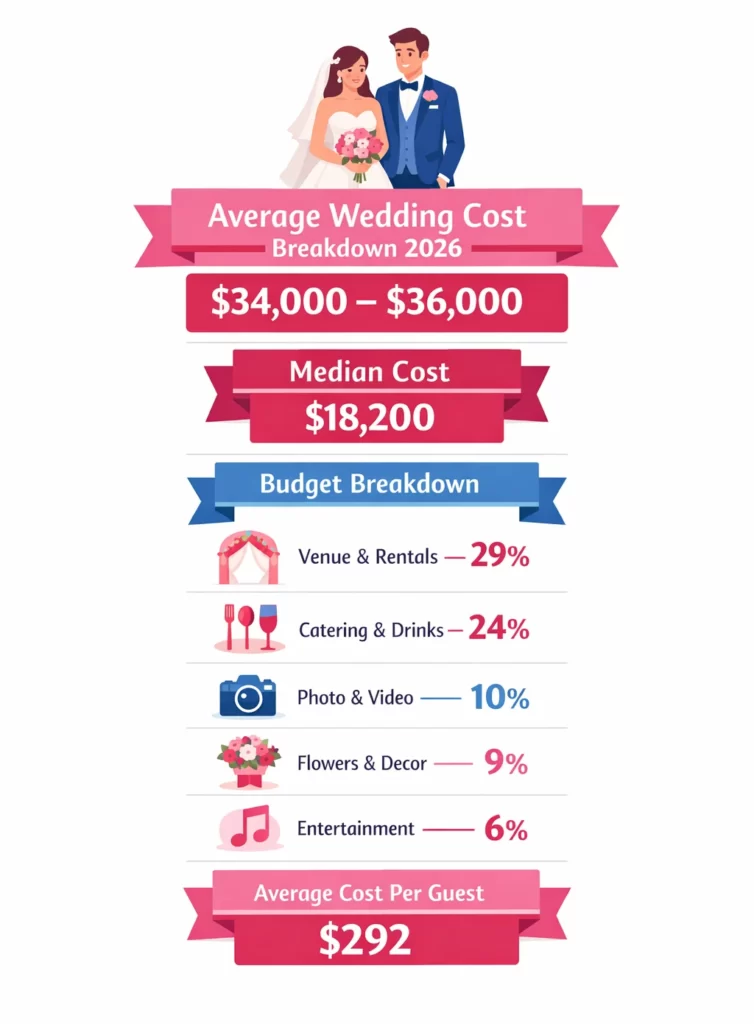
Multiply your guest count by the average food cost ($80 per person) to estimate the final catering bill [[NerdWallet]]. Add a 10% buffer for unexpected attendees or overtime charges.
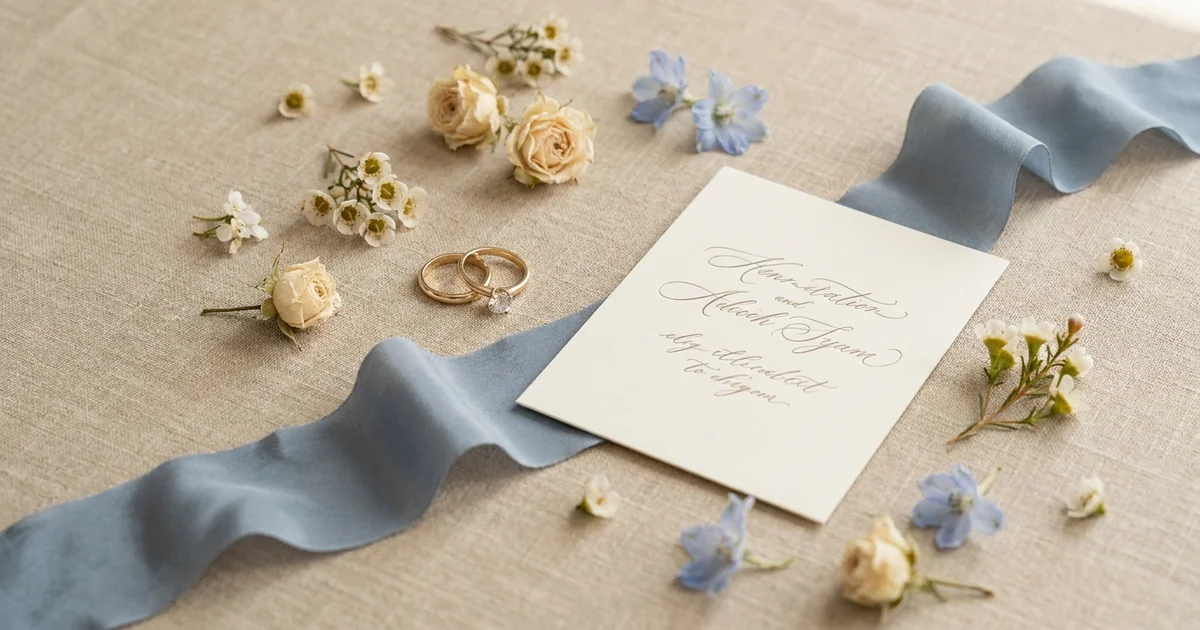
Check for hidden costs like linens, chairs, and corkage fees. These rentals often average $2,000 but can spike if you book late or choose premium options [[NerdWallet]].
No comments yet. Be the first to share your thoughts!