

The rise of the AI wedding planner
AI in weddings has moved past basic chatbots. New tools act as creative assistants and logistical managers. Planners are using these systems to handle the data-heavy parts of the job, which lets them focus more on the couple's specific style.
Many couples understandably feel hesitant about relinquishing control to an algorithm. The wedding day is deeply personal, and the idea of AI dictating decisions can be unsettling. However, the current trend isn’t about handing over the reins entirely, but rather leveraging AI to streamline tasks, identify options, and ultimately, empower couples to make more informed choices. It's about using technology to enhance the planning process, not dominate it.
The wedding industry is a significant economic force. In 2024, U.S. weddings averaged $35,000 according to The Knot, and projections from Wedding Rate estimate a continued rise to an average of $40,000 by 2026, driven by increased personalization and demand for unique experiences. This growth is fueling investment in AI-powered solutions aimed at simplifying and optimizing every aspect of wedding planning. The potential for cost savings and increased efficiency is a major driver of this adoption.
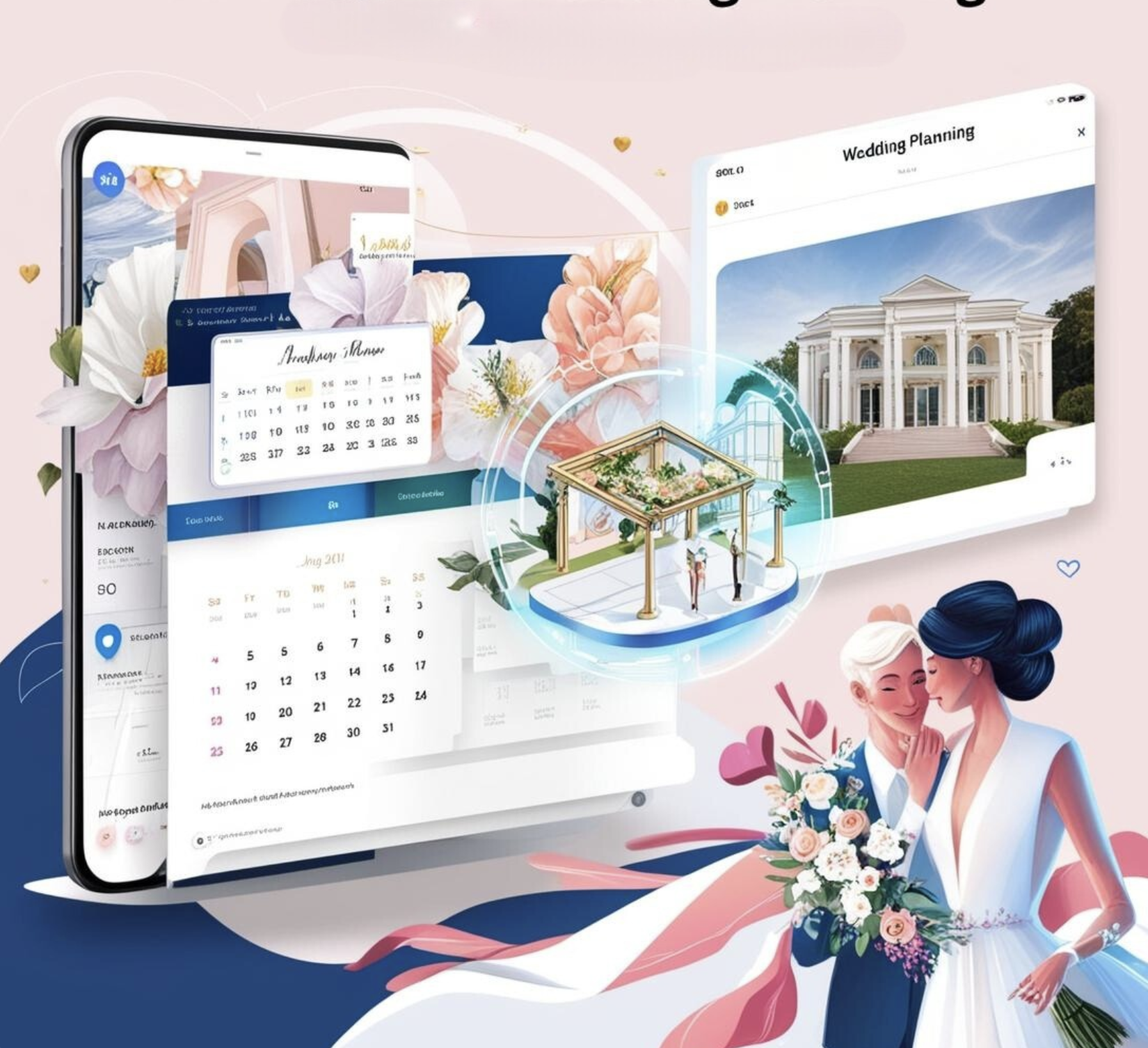
Budgeting and vendor matching
One of the most immediate benefits of AI in wedding planning is its ability to manage budgets. AI tools can analyze a couple’s spending habits, income, and desired wedding style to create a realistic budget. These tools don’t just provide a number; they break down costs by category – venue, catering, photography, attire – and offer suggestions for where to save. Wedding Rate’s 2026 cost projections, for instance, can be integrated into these tools to provide hyper-local and up-to-date estimates.
AI excels at predictive analysis. By factoring in location, guest count, time of year, and preferred vendors, AI can accurately forecast wedding expenses. This allows couples to identify potential overspending areas early on and make adjustments accordingly. Imagine an AI flagging that floral arrangements are exceeding the allocated budget and suggesting alternative, more cost-effective options. This level of granular detail is invaluable.
AI platforms match couples with photographers and DJs by scanning portfolios for specific aesthetics and checking real-time availability. You still have to talk to these people to see if you actually like them, but the software cuts out the first ten hours of searching.
The limitations are real. A A photographer might have a stunning portfolio, but their personality might not mesh well with the couple. Ultimately, AI provides a curated list of options, but the final decision rests with the couple.
Design & Styling: AI as a Creative Partner
AI is rapidly becoming a valuable asset for wedding design and styling. Tools are now available that can generate mood boards based on a couple’s stated preferences – colors, themes, overall aesthetic. These tools can pull inspiration from Pinterest, Instagram, and other sources to create a visual representation of the wedding’s desired look and feel. It’s a fantastic way to brainstorm and refine ideas.
Beyond mood boards, AI can suggest color palettes, recommend fonts, and even create virtual venue layouts. Imagine uploading a photo of your reception space and having AI generate different design schemes, showcasing how various lighting, furniture arrangements, and floral designs would look. This allows couples to visualize their wedding day before making any commitments.
Image recognition software analyzes your saved photos to find patterns in lighting or floral density. If you upload twenty photos of desert weddings, the tool identifies the specific succulents and earth tones that appear most often, helping you keep the look consistent.
However, A While AI can generate ideas, a skilled designer can bring those ideas to life in a unique and personalized way. Think of AI as a powerful brainstorming tool, not a replacement for professional design expertise.
AI Design Prompts
- Romantic Garden Wedding - Imagine a fairytale setting with overflowing floral arrangements, soft lighting, and a pastel color scheme. Specify details like 'roses and hydrangeas', 'string lights and candles', and 'blush pink and ivory'.
- Modern Industrial Wedding - Envision a chic, urban space with exposed brick, metal accents, and minimalist decor. Include prompts like 'geometric shapes', 'monochrome color palette', and 'statement lighting fixtures'.
- Rustic Chic Barn Wedding - Picture a charming countryside celebration with natural wood elements, burlap textures, and wildflowers. Try prompts such as 'wooden tables and chairs', 'mason jar centerpieces', and 'string lights draped across rafters'.
- Bohemian Beach Wedding - Visualize a relaxed and free-spirited ceremony on the sand, with flowing fabrics, natural textures, and vibrant colors. Use prompts like 'macrame backdrops', 'pampas grass arrangements', and 'terracotta and coral tones'.
- Glamorous Art Deco Wedding - Create a sophisticated and luxurious atmosphere inspired by the roaring twenties, with geometric patterns, gold accents, and dramatic lighting. Include prompts like 'feather centerpieces', 'pearl details', and 'black and gold color scheme'.
- Minimalist Scandinavian Wedding - Focus on clean lines, natural materials, and a neutral color palette for a modern and understated aesthetic. Prompts could include 'wood accents', 'white linens', and 'candlelight ambiance'.
- Tropical Destination Wedding - Imagine a vibrant and exotic celebration surrounded by lush greenery and colorful flowers. Specify prompts like 'hibiscus and orchids', 'brightly colored cocktails', and 'ocean view ceremony'.
Guest List Management & Communication
Managing a wedding guest list can be a logistical nightmare, but AI simplifies the process considerably. AI-powered tools automate RSVP tracking, eliminating the need for manual spreadsheets and endless phone calls. These tools also collect dietary restrictions, allergies, and other important information from guests, ensuring everyone is accommodated.
AI-powered communication tools can send personalized save-the-dates, invitations, and reminders. These tools can also manage plus-ones and family dynamics, sending appropriate invitations and tracking responses. This minimizes errors and ensures accurate headcount counts. The ability to segment the guest list allows for targeted communication, like sending specific information to out-of-town guests.
Seating chart optimization is another area where AI excels. The algorithms consider relationships between guests, dietary restrictions, and personal preferences to create a seating arrangement that maximizes enjoyment. This can be a huge time-saver and reduce the stress of navigating complex social dynamics.
Data privacy is a legitimate concern. Couples need to ensure that any AI tool they use complies with data protection regulations and handles guest information responsibly. Transparency about data collection practices is essential.
Coordination on the wedding day
The role of AI isn’t limited to the planning stages; it’s poised to become invaluable on the wedding day itself. AI-powered apps can manage the wedding day timeline, alerting vendors of schedule changes and ensuring everything runs smoothly. These apps can also track vendor arrival times and monitor key milestones.
Imagine an AI app that proactively identifies potential issues, like a delayed florist delivery, and alerts the wedding planner. Or an app that monitors guest sentiment through social media check-ins and identifies any areas of concern. This real-time feedback allows for proactive problem-solving and ensures a seamless experience for everyone.
AI can also facilitate communication between on-site staff and vendors. A central platform can relay instructions, answer questions, and resolve issues quickly and efficiently. This minimizes confusion and prevents delays. However, human oversight is critical. AI can identify problems, but it can’t always solve them without human intervention.
The integration of AI with existing wedding technology – like sound systems and lighting – is also promising. AI could automatically adjust lighting based on the mood of the event or curate a playlist based on guest preferences.
AI & Wedding Etiquette: Navigating New Norms
The rise of AI introduces new etiquette questions. Is it acceptable to use AI-generated vows? The answer is… it depends. While there’s no hard and fast rule, many etiquette experts suggest that vows should be personal and heartfelt, reflecting the couple’s unique relationship. AI can assist in brainstorming ideas, but the final vows should be written by the couple themselves.
Transparency is key. Couples should disclose their use of AI to vendors and guests, especially if it affects the wedding experience. For example, if AI is being used to personalize the music playlist, guests should be informed. Honesty builds trust and avoids any misunderstandings.
Wedding Rate’s traditional etiquette guides remain valuable resources, but they need to be adapted to the digital age. The core principles of respect, consideration, and graciousness still apply, even when AI is involved. The goal is to use technology to enhance the wedding experience, not to detract from its meaning.
The potential for AI to personalize the wedding experience is significant. AI can tailor the music, lighting, and even the menu to each guest’s preferences, creating a truly unique and memorable event. However, it’s important to strike a balance between personalization and authenticity.




No comments yet. Be the first to share your thoughts!