

The AI Shift in Wedding Planning
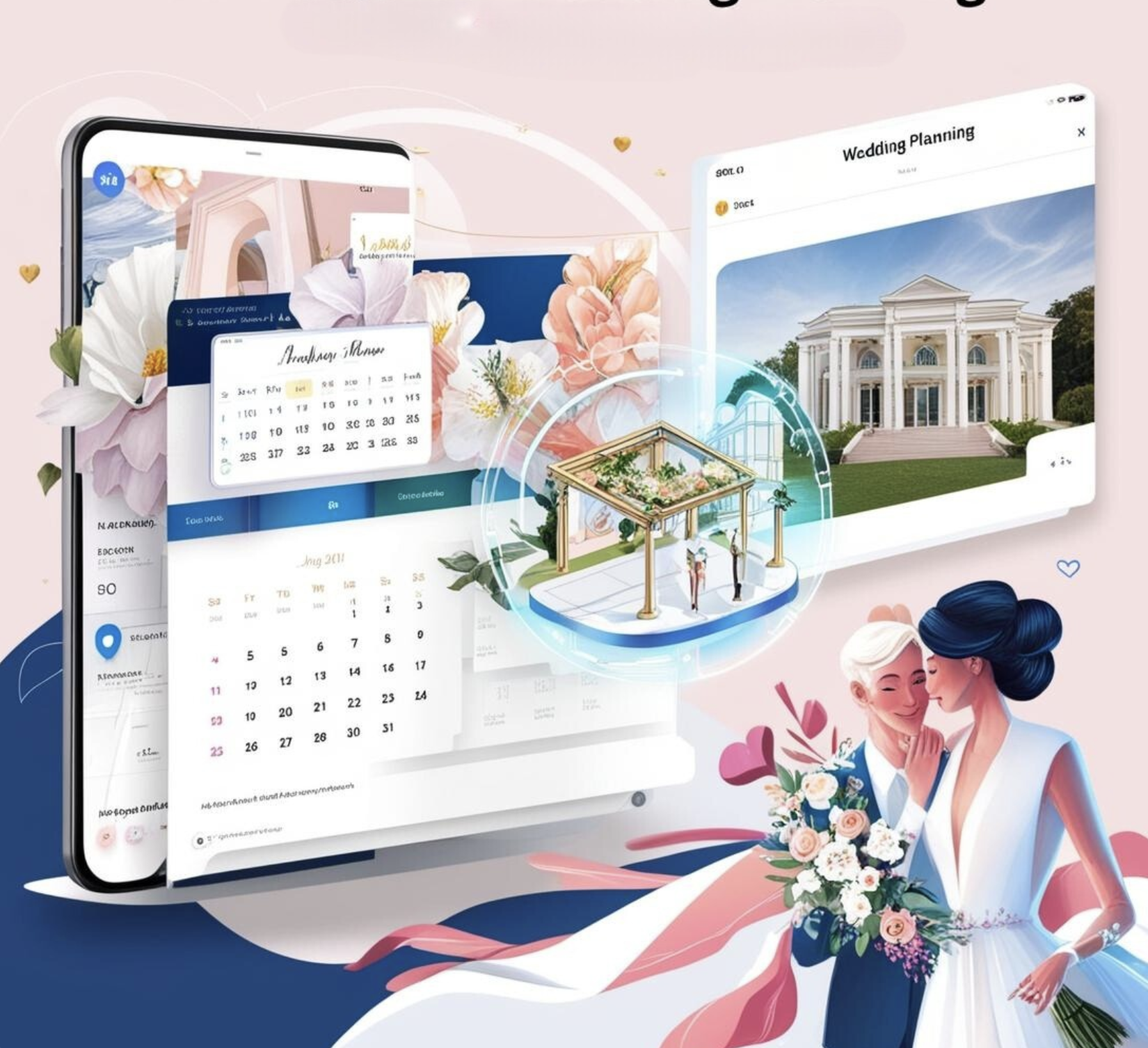
Wedding planning is changing fast. It’s no longer just about booking venues and arranging flowers; it’s about navigating new technology. Artificial intelligence is already reshaping how weddings are planned, from initial client inquiries to post-event follow-ups. AI in weddings is here now.
Initially, many planners worried about being replaced and the personal touch being lost. Conversations at industry events just a few years ago were filled with anxiety about AI automating the job out of existence. But that fear is shifting. Planners are realizing AI isn’t a replacement, but an assistant – a tool that can free up time and resources.
Emerging tools include AI-powered chatbots for communication, design platforms for mood boards, and software for budgets and vendor contracts. These tools integrate with existing planning software, streamlining workflows and offering data-driven insights. There's a learning curve, but the benefits are significant.

AI for Client Management & Communication
A huge part of a wedding planner’s job is administrative. Responding to emails, scheduling calls, and updating spreadsheets are necessary, but not where a planner’s creativity shines. AI handles these tedious tasks, freeing up planners to focus on the aspects of the job they truly love.
AI-powered CRM systems are becoming popular. These systems analyze client data, tracking preferences, flagging potential issues, and automating personalized communication. A system can automatically send a thank-you note after an initial consultation or remind a client about upcoming deadlines.
AI chatbots answer frequently asked questions 24/7, qualify leads, and schedule consultations without requiring a planner’s immediate attention. This saves time. An extra 5-10 hours a week allows planners to network, develop new skills, and provide a better client experience.
Design & Visualization: AI's Creative Role
AI won’t replace wedding designers – a human eye for aesthetics and understanding of nuanced client visions is irreplaceable. AI is becoming a tool in the design process, accelerating the creative workflow and offering new possibilities.
AI-powered mood board generators create visual concepts based on client preferences. Input keywords like "romantic,’ ‘rustic,’ or ‘modern," and the AI generates a curated selection of images, colors, and textures. Virtual venue staging allows clients to visualize different décor options within their chosen space.
AI suggests color palettes and floral arrangements. Input a client’s favorite colors, and the AI generates complementary palettes that create a cohesive aesthetic. This provides a starting point for discussion and exploration, presenting clients with more options, more quickly.
- Mood Board Generation: Quickly create visual concepts based on client preferences.
- Virtual Venue Staging: Visualize décor options within a chosen space.
- Color Palette Suggestions: Generate complementary palettes based on client input.
Budgeting & Vendor Management with AI
The wedding budget is a major stressor for couples. AI offers new ways to manage expenses, predict costs, and identify potential savings. AI-powered budgeting tools track expenses, categorize them, and provide real-time insights into spending patterns.
These tools predict costs based on historical data and market trends. For example, Wedding Rate’s data on 2026 wedding DJ rates can be integrated to provide accurate estimates. AI flags potential overspending and suggests areas where costs can be reduced. While unexpected expenses always arise, this provides a more accurate and proactive approach to budgeting.
AI adds value to vendor management by analyzing online reviews, comparing quotes, and assisting with contract negotiation. This leverages data to advocate for clients and ensure they get fair value.
Traditional vs. AI-Assisted Vendor Sourcing for Wedding Planning (2026)
| Time Investment | Cost Savings Potential | Risk of Poor Vendor Choice | Customization Options | Transparency |
|---|---|---|---|---|
| High | Low to Moderate | Moderate to High | High | Generally High, relies on direct communication |
| Moderate to Low | Moderate to High | Low to Moderate | Moderate | Can vary; dependent on AI platform’s data sources and algorithms |
Illustrative comparison based on the article research brief. Verify current pricing, limits, and product details in the official docs before relying on it.
Personalization at Scale: AI & Guest Experience
Modern couples want personal and unique weddings, not cookie-cutter events. AI helps planners create a more customized guest experience, from save-the-dates to post-wedding thank-you notes.
AI-powered tools generate personalized wedding websites with customized itineraries, travel information, and local recommendations. They also create customized gift registries based on guest preferences and relationships with the couple. A website can suggest gift ideas based on a guest's past purchases or interests.
Approach personalization with caution. Collecting and analyzing guest data raises ethical concerns. Transparency is key. Guests should be informed about what data is collected and how it’s used. Personalization should enhance the guest experience, not feel intrusive.
Navigating AI Ethics & Data Privacy
AI in wedding planning has ethical considerations. Data privacy is paramount. Planners must protect their clients’ personal information and ensure it’s not misused.
What data are AI tools collecting? How is it stored? Who has access? These are critical questions. Planners should review the privacy policies of any AI tools they use and ensure compliance with data protection regulations. Wedding Rate’s guidelines on wedding etiquette extend to digital interactions – respecting guest privacy and preferences is essential.
Algorithmic bias is another concern. AI algorithms are trained on data, and biased data leads to biased algorithms. This can result in unfair or discriminatory outcomes, such as suggesting vendors based on demographics rather than qualifications. Planners must be aware of these potential biases and take steps to mitigate them.
The Planner's Role in 2026: Adapting & Thriving
undefined administrative work, the data analysis – were often the least fulfilling aspects of the job.
The planners who thrive in 2026 will be those who embrace AI as a tool and focus on the uniquely human aspects of wedding planning: empathy, creativity, and relationship-building. A
New skills will be essential. Planners will need to become proficient in using AI tools, understanding data analytics, and interpreting AI-generated insights. They’ll also need to be adept at communicating the benefits of AI to clients and addressing their concerns. The future planner is a tech-savvy creative, a data-driven strategist, and a compassionate advocate for their clients.
AI Tools Worth a Closer Look
There’s a growing number of AI-powered tools designed for wedding planners. Here are a few that are showing particular promise:
Aisle Planner: This comprehensive planning platform is integrating AI features to automate tasks like vendor recommendations and budget tracking. Its strength lies in its all-in-one functionality and user-friendly interface.
The Knot Pro: While primarily a vendor directory, The Knot Pro is incorporating AI to help planners identify potential clients and manage their leads more effectively. It’s a valuable tool for expanding your network and reaching a wider audience.
Zola: Zola’s website builder now includes AI-powered design assistance, helping couples create visually appealing websites with minimal effort. This is particularly useful for couples who are less tech-savvy.



No comments yet. Be the first to share your thoughts!